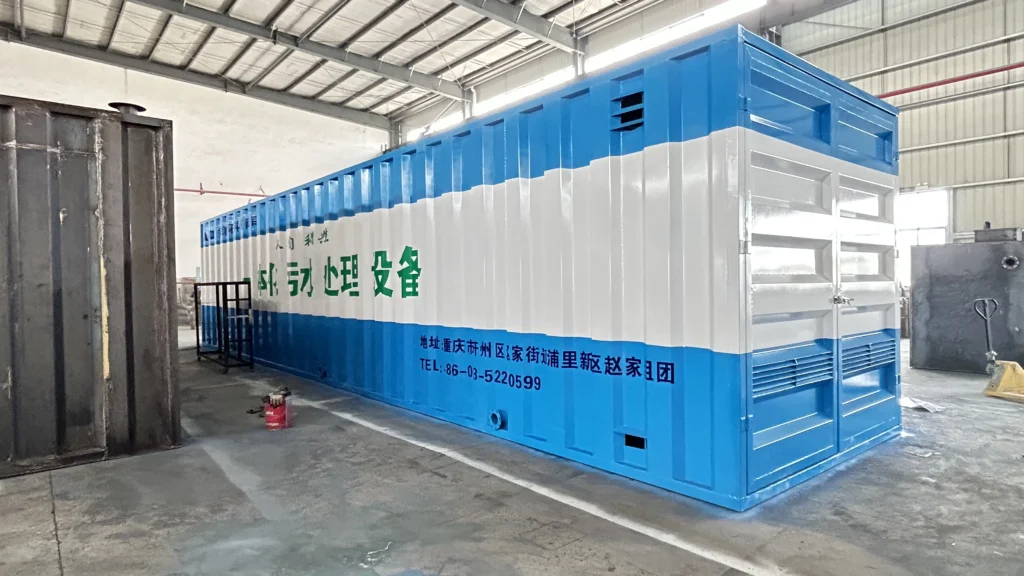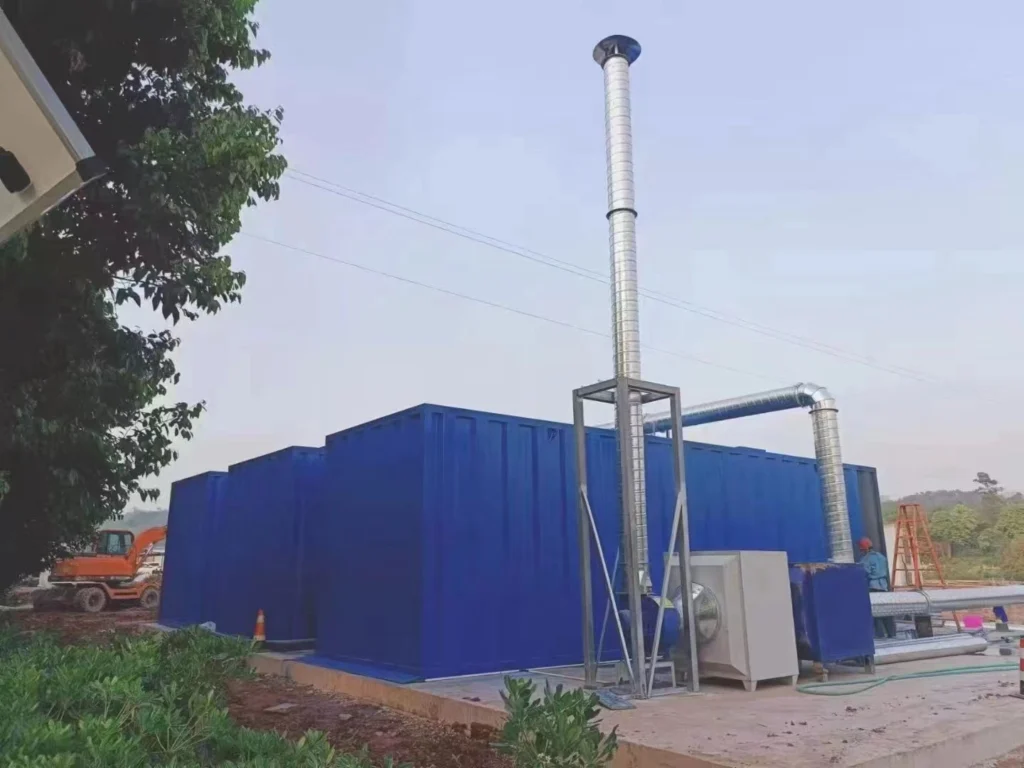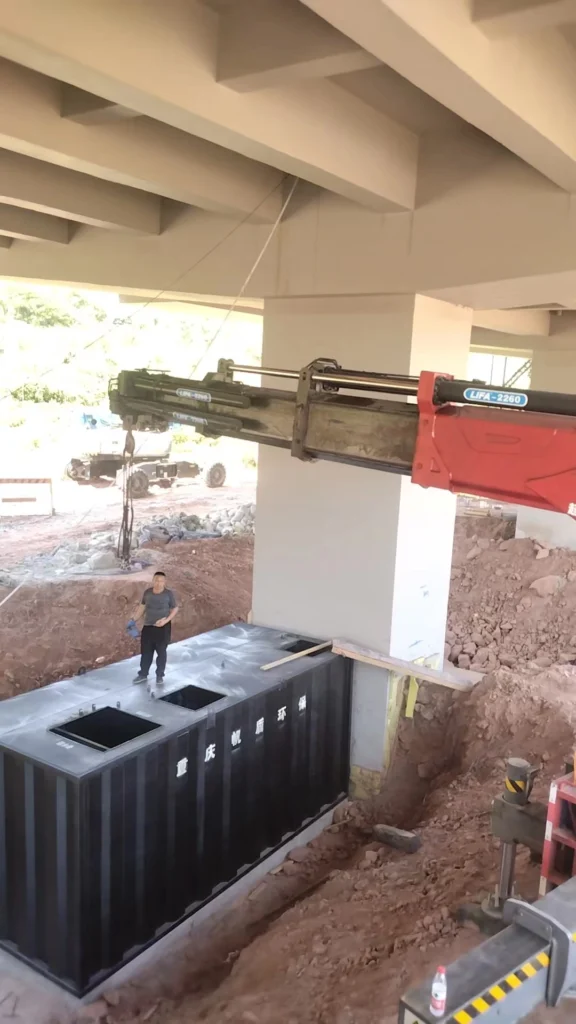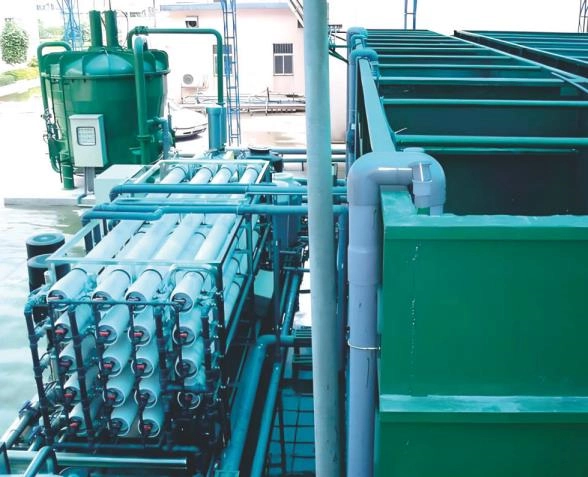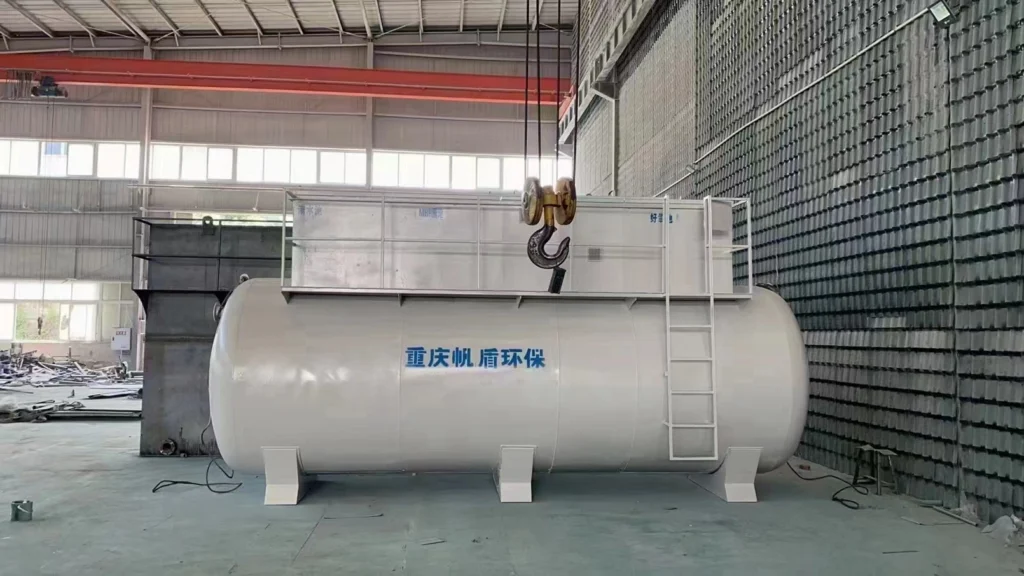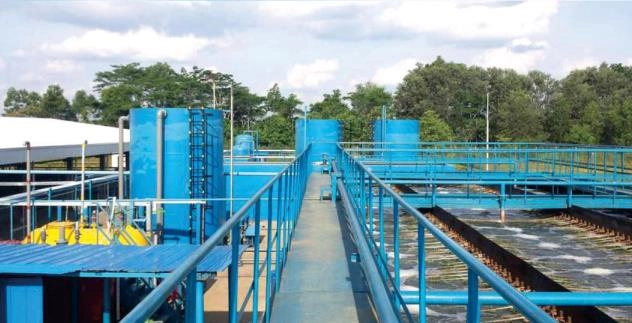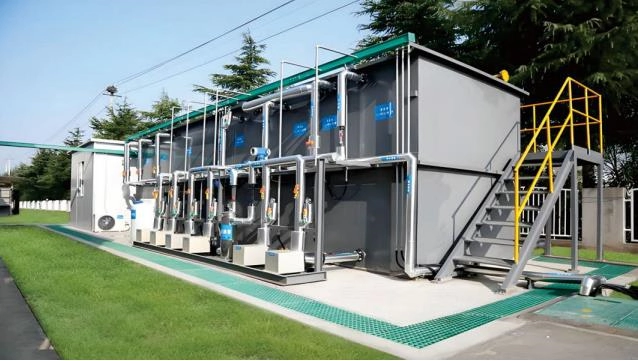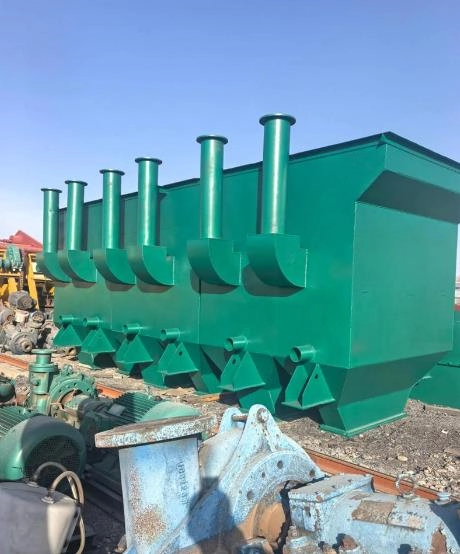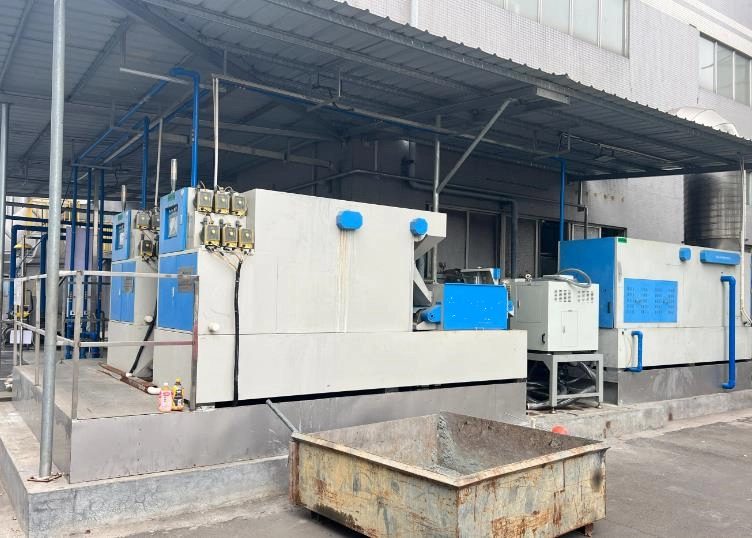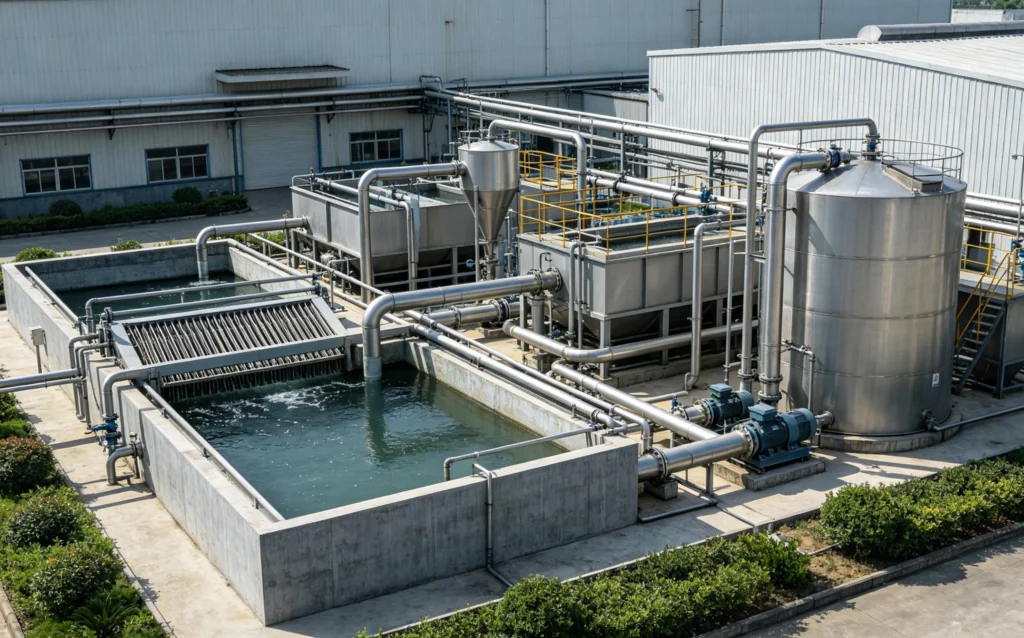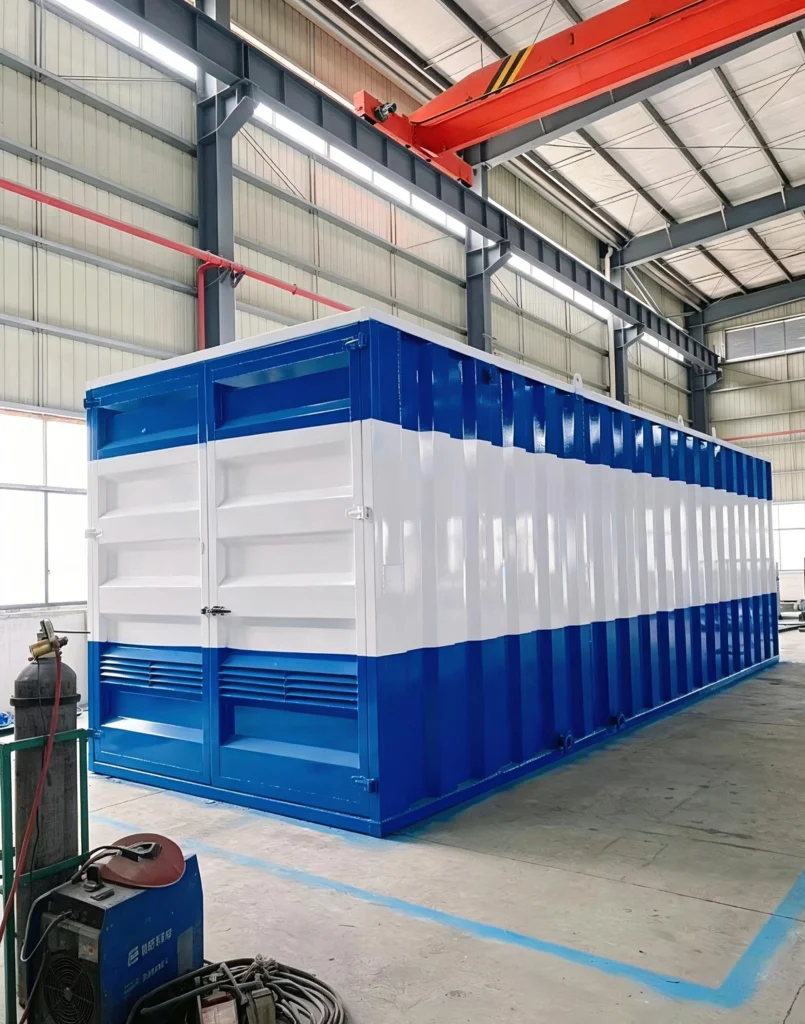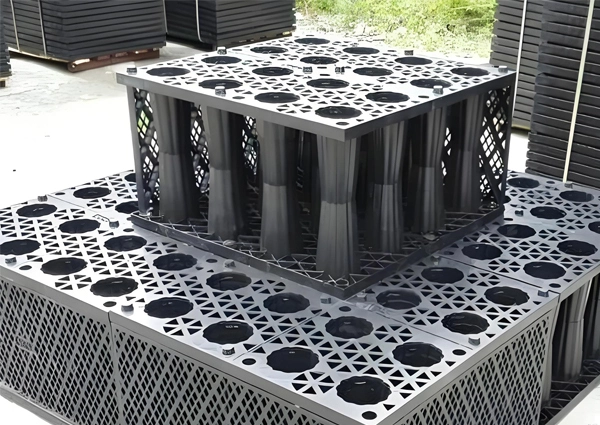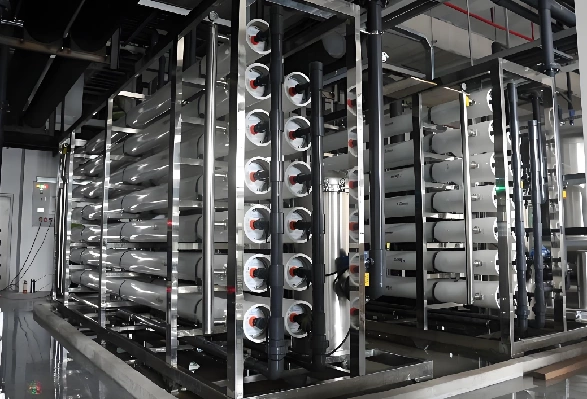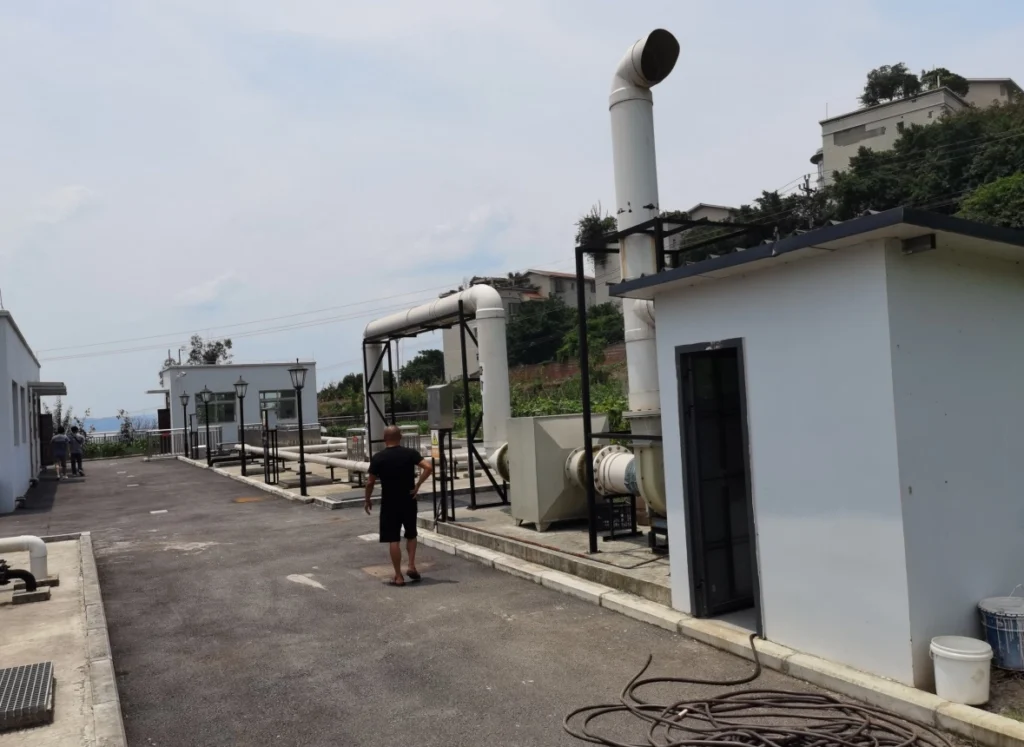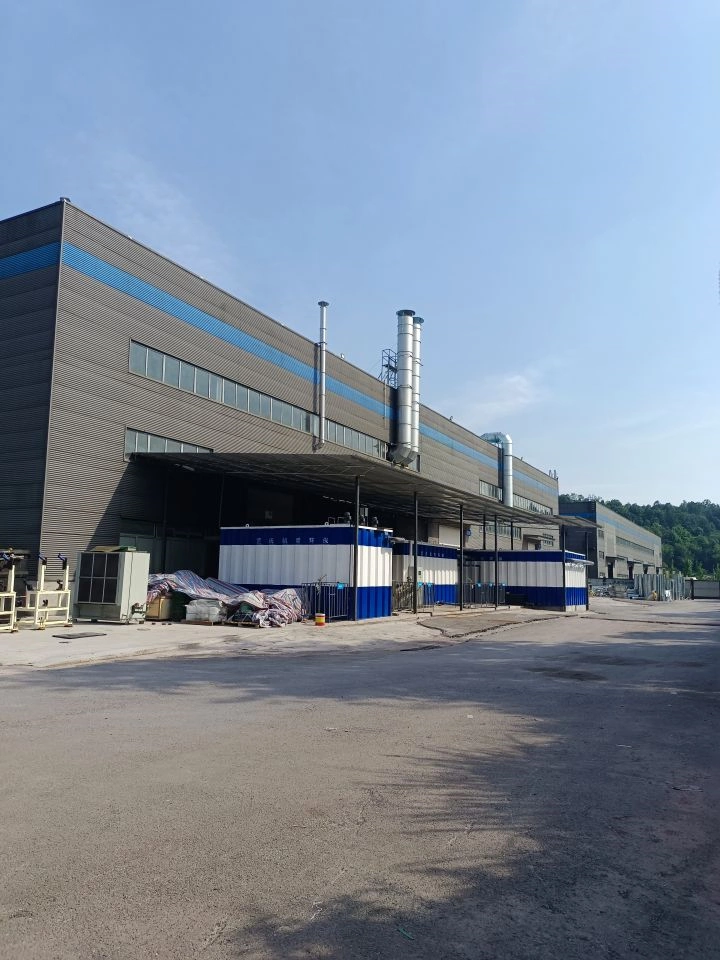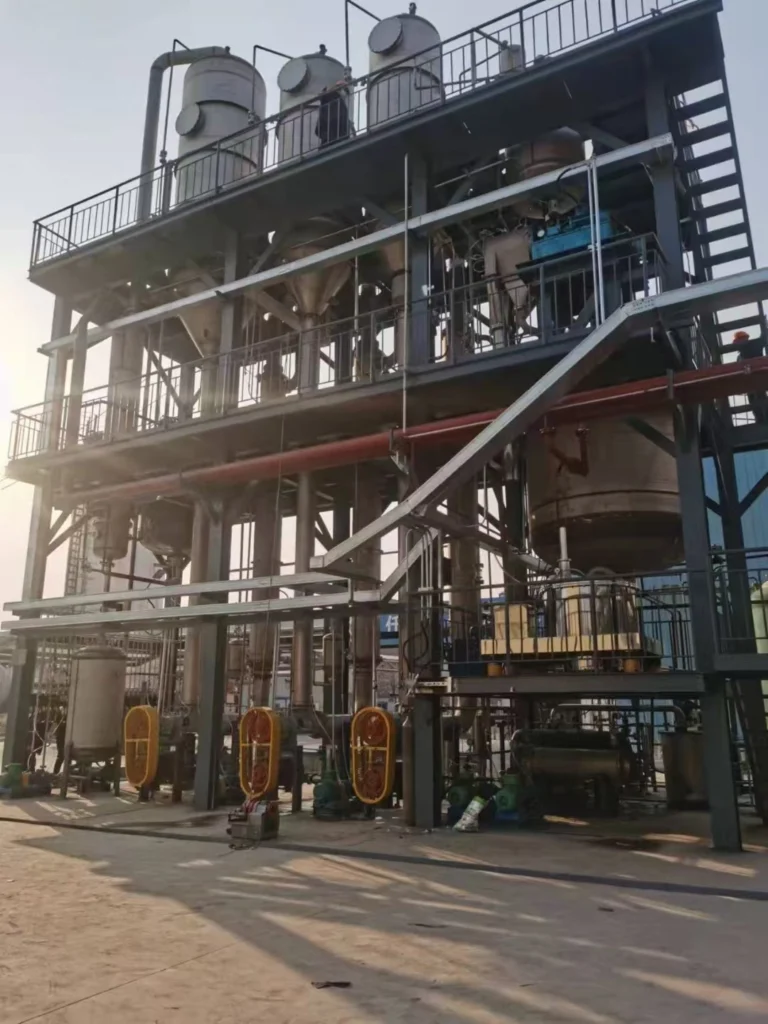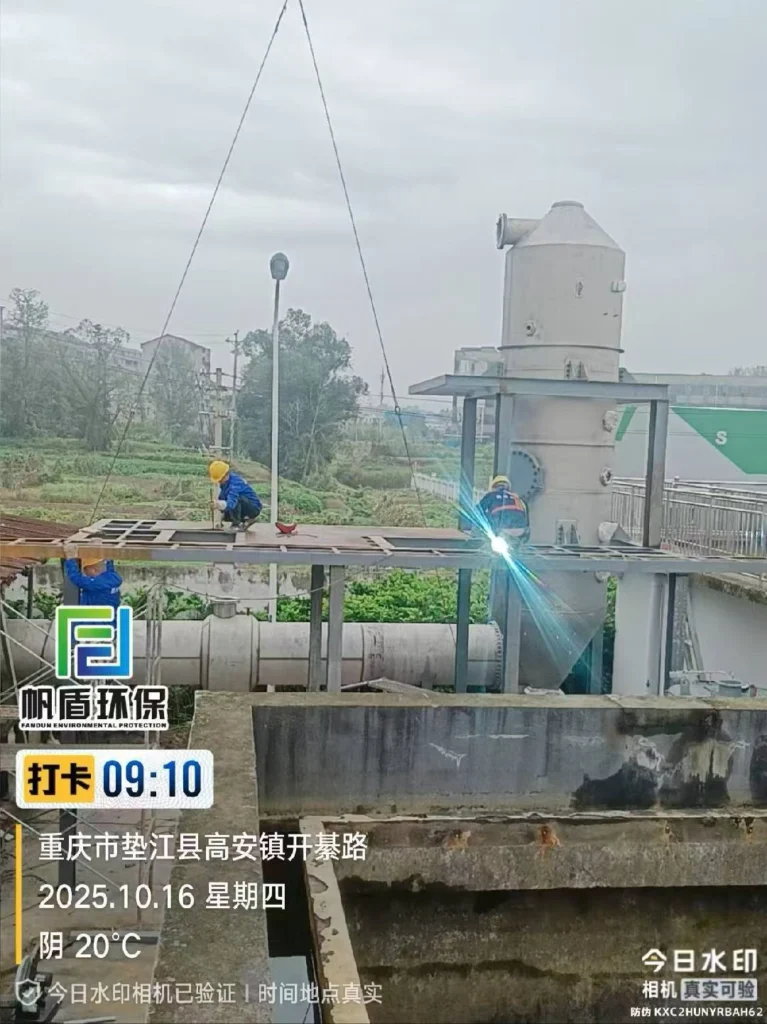
Sulfur dioxide removal wastewater treatment equipment
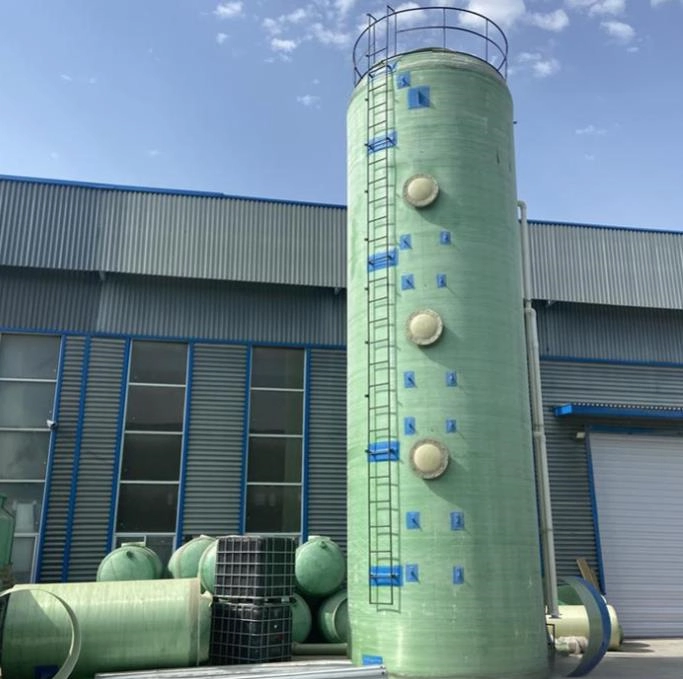
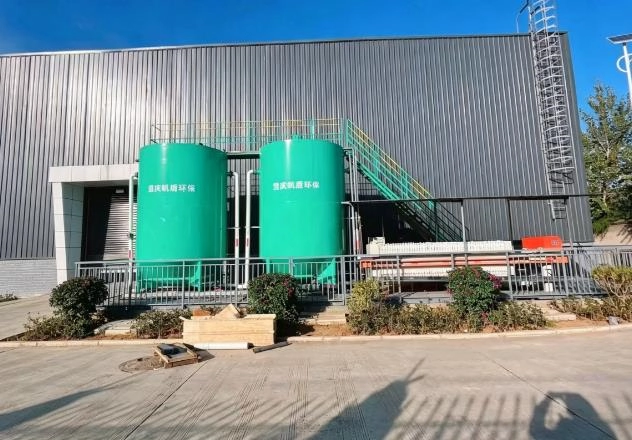
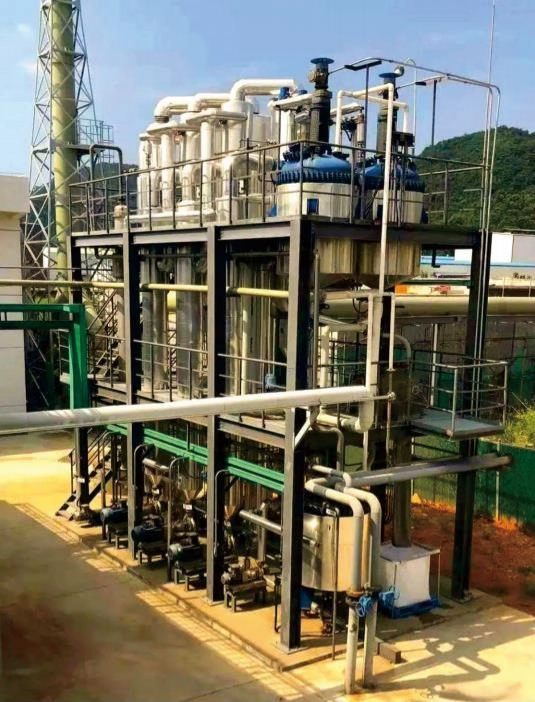
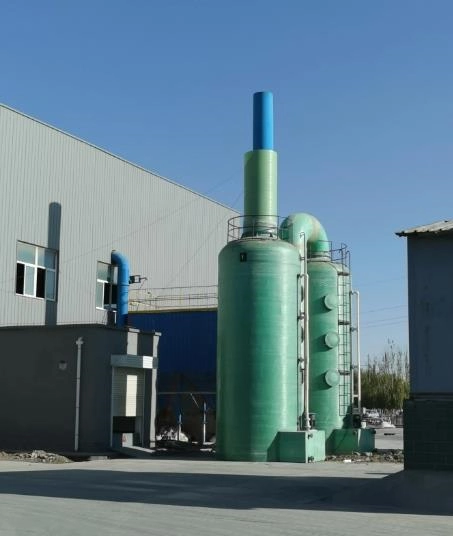
The desulfurization wastewater mainly comes from the discharge water of the absorption tower in the wet flue gas desulfurization process (limestone/gypsum method) of the boiler.
In order to maintain the material balance of the slurry circulation system of the desulfurization device, prevent the soluble part in the flue gas, namely the chlorine concentration, from exceeding the specified value, and ensure the quality of gypsum, a certain amount of wastewater must be discharged from the system. The wastewater mainly comes from the gypsum dewatering and cleaning system. The impurities contained in the wastewater mainly include suspended solids, oversaturated sulfites, sulfates, and heavy metals, many of which are the first-class pollutants strictly controlled in the national environmental protection standards.
Product Introduction
I. Characteristics of desulfurization wastewater
It has high turbidity, high hardness, high salt content, a wide variety of pollutants, and significant fluctuations in water quality among different power plants.
II. Hazards of Desulfurization Wastewater
1. The high concentration of suspended solids in desulfurization wastewater seriously affects the turbidity of water, and it is prone to cause scaling in equipment and pipelines, which will affect the operation of the desulfurization device.
2. The desulfurization wastewater is weakly acidic, and heavy metal pollutants have good solubility in it. Although their content is relatively low, direct discharge has certain toxic effects on aquatic organisms.
3. The chloride ion concentration in desulfurization wastewater is very high, which will cause corrosion of equipment and pipelines, seriously affecting the operation and service life of the equipment.
4. The large-scale discharge of selenium from desulfurization wastewater will cause pollution to the soil and water sources, affecting the health of humans and animals. Moreover, if accumulated over a long period, it can lead to chronic poisoning.
III. Four Steps for Treating Desulfurization Wastewater
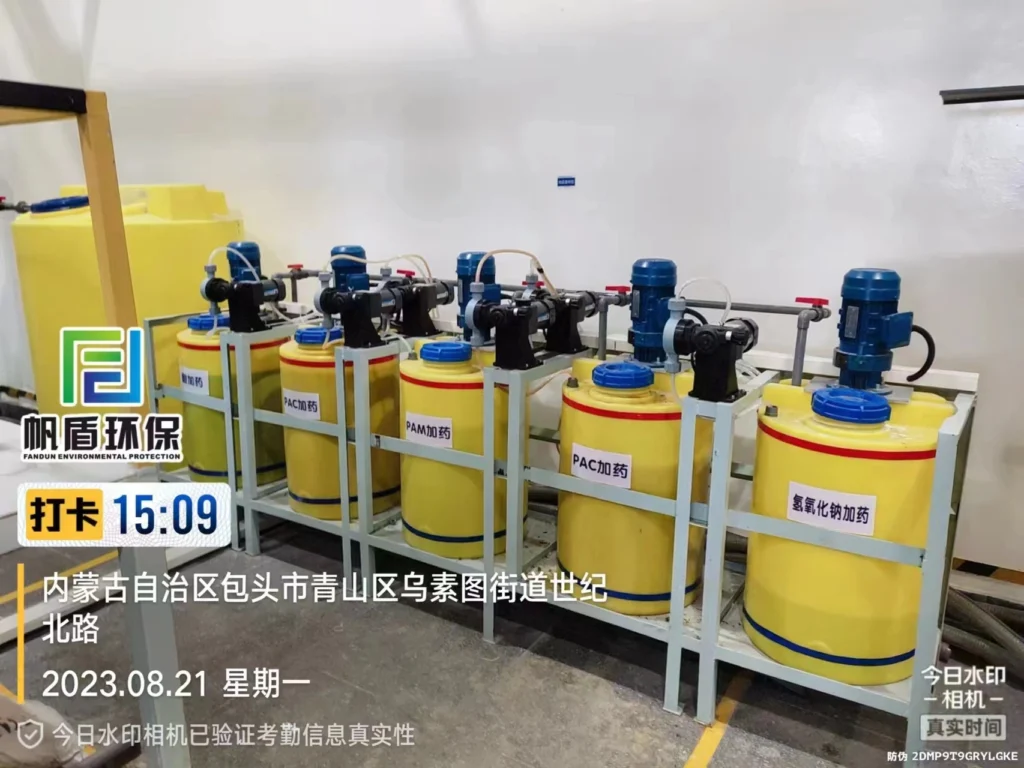
The wastewater neutralization reaction tank is composed of three compartments. Each compartment is filled and then flows naturally into the next compartment. When the desulfurization wastewater enters the first compartment, a certain amount of lime slurry is added. Through continuous stirring, the pH value can rise from around 5.5 to above 9.0.
2. The use of heavy metal precipitants results in the addition of Ca(OH)2, which not only increases the pH value of the wastewater but also causes the precipitation of heavy metal ions such as Fe3+, Zn2+, Cu2+, Ni2+, and Cr3+ as hydroxide precipitates. Generally, trivalent heavy metal ions are more prone to precipitation than divalent ions. When the pH value reaches 9.0 to 9.5, most heavy metal ions form insoluble hydroxide precipitates.
3. Flocculation reaction. After the first two chemical precipitation reactions, the wastewater still contains many small and dispersed particles and colloidal substances. Therefore, in the third compartment, a certain proportion of flocculant FeClSO4 is added to make them coagulate into large particles and deposit. At the outlet of the wastewater reaction tank, cationic polymer electrolytes are added as a coagulant to reduce the surface tension of the particles, enhance the growth process of the particles, and further promote the precipitation of hydroxides and sulfides, allowing the fine flocs to gradually transform into larger, more easily deposited flocculent substances. At the same time, the suspended solids in the desulfurization wastewater also settle down.
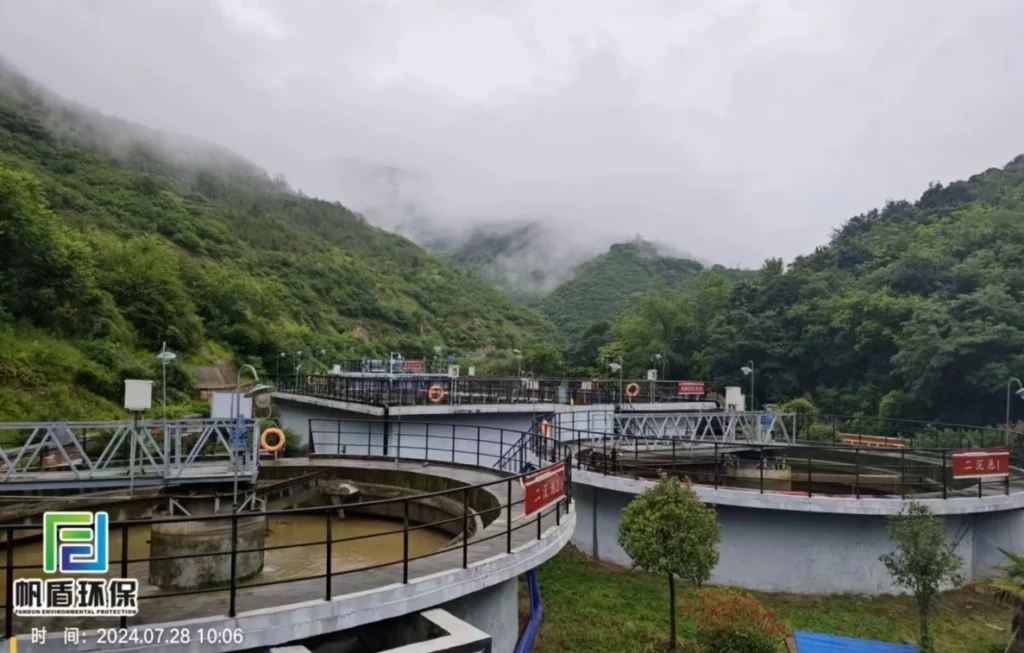
4. The concentrated/clarified flocculated wastewater from the reaction tank overflows into the clarification/concentration tank equipped with a stirrer. The flocculated substances deposit at the bottom and are concentrated by gravity into sludge, while the upper part is clear water. Most of the sludge is pumped by a sludge pump to the slurry tank, and a small portion of the sludge is returned to the wastewater reaction tank as contact sludge to provide the necessary nuclei for sedimentation. The upper clean water flows by gravity from the overflow outlets around the clarification/concentration tank to the clean water tank. The clean water tank is equipped with online monitoring instruments for measuring the pH value and suspended solids of the clean water. If the pH and suspended solids meet the drainage design standards, they are discharged through the clean water pump; otherwise, they are sent back to the wastewater reaction tank for further treatment until they are qualified.