Electronic Ultrapure Water
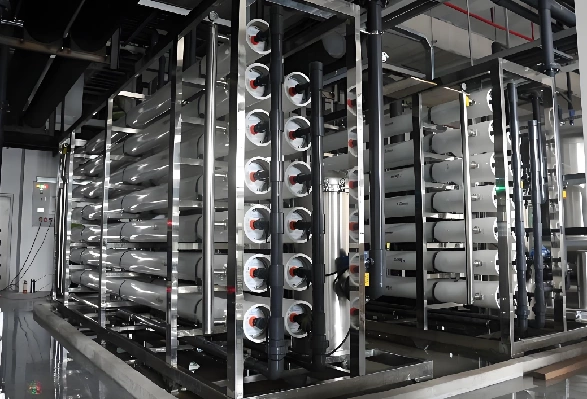
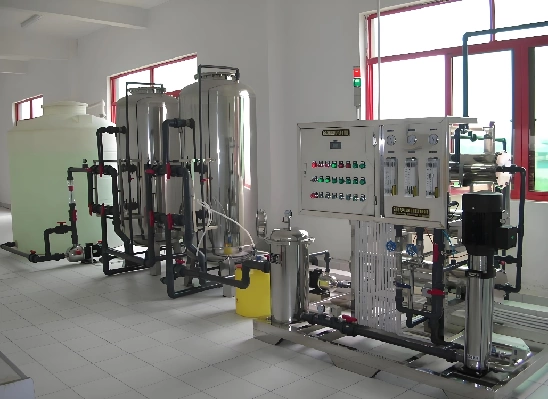
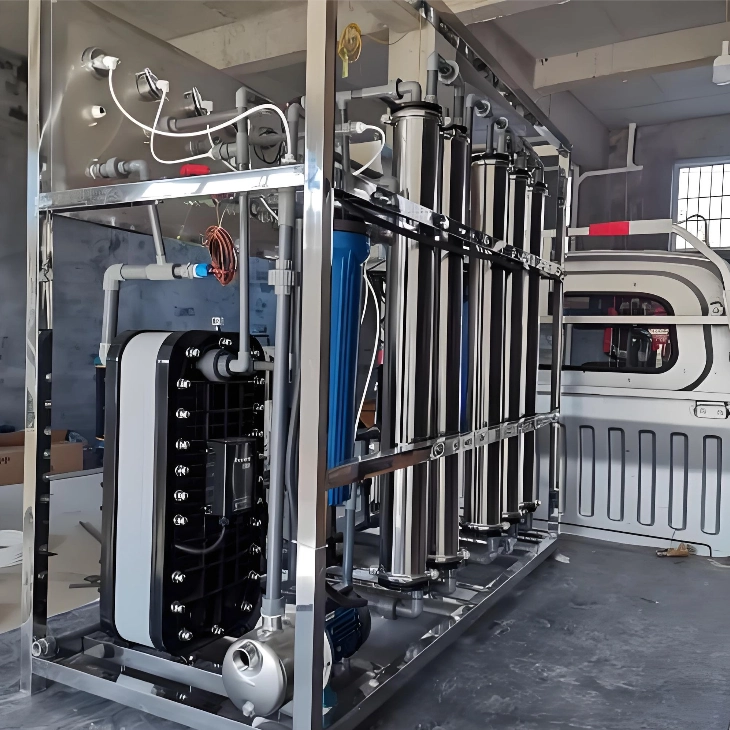
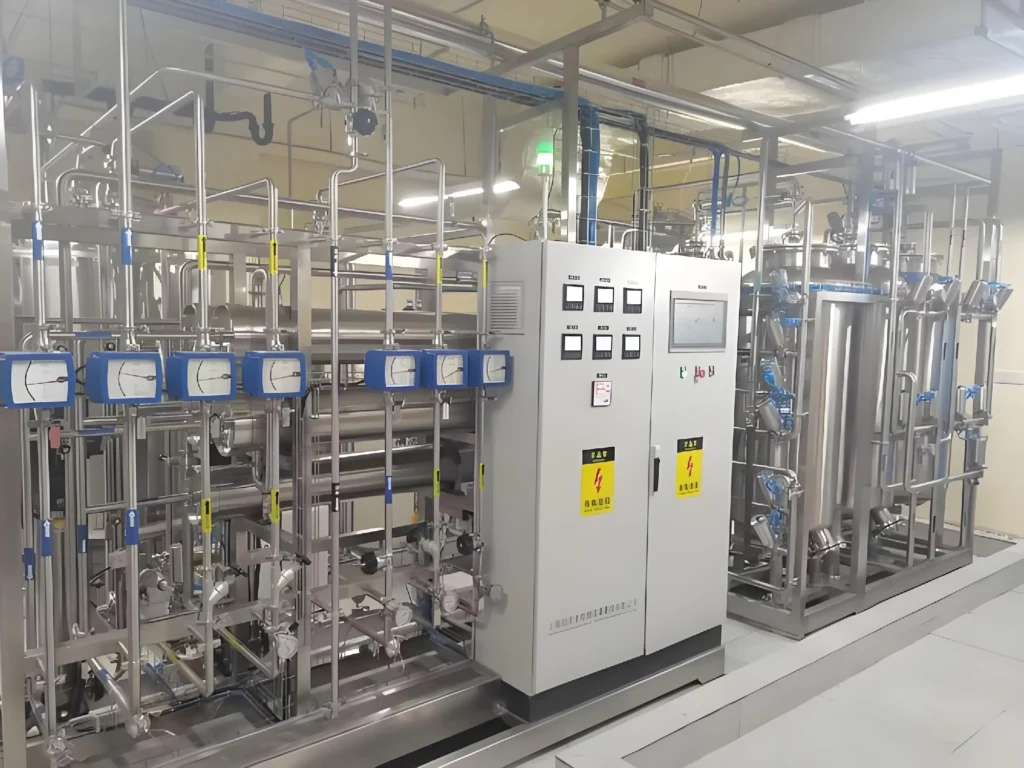
High-purity water used in electronic and semiconductor manufacturing processes, produced through a combination of reverse osmosis, EDI, polishing mixed bed, and terminal ultrafiltration technologies. The product water meets national electronic-grade water standards and ASTM D5127 requirements. It is primarily used in semiconductors, single-crystal silicon, integrated circuits, cathode ray tubes, touch screens, liquid crystal displays, high-precision printed circuit boards, optical and optoelectronic devices, various electronic components, microelectronics industry, solar silicon wafer cleaning, and LCD cleaning applications.
Product Introduction
High-purity water used in electronic and semiconductor manufacturing processes, produced through a combination of reverse osmosis, EDI, polishing mixed bed, and terminal ultrafiltration technologies. The product water meets national electronic-grade water standards and ASTM D5127 requirements. It is primarily used in semiconductors, single-crystal silicon, integrated circuits, cathode ray tubes, touch screens, liquid crystal displays, high-precision printed circuit boards, optical and optoelectronic devices, various electronic components, microelectronics industry, solar silicon wafer cleaning, and LCD cleaning applications.
The development of integrated circuits (ULSI) has led to the need for ultraclean technology, with semiconductor manufacturing having a particularly strong demand for this technology that surpasses other fields. This technology has also been extended beyond the electronics industry into areas such as semiconductor equipment manufacturing, biotechnology, and other industrial sectors.
Ultra-pure water production process
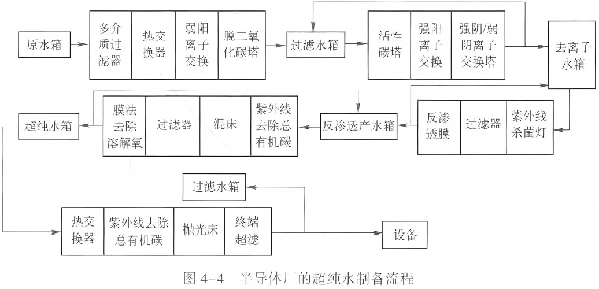
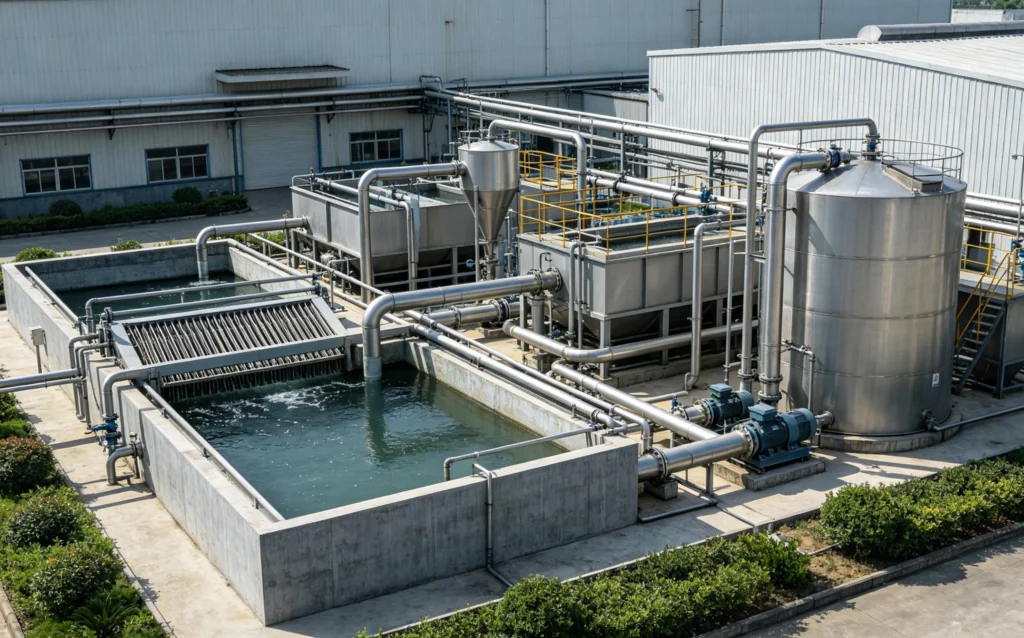
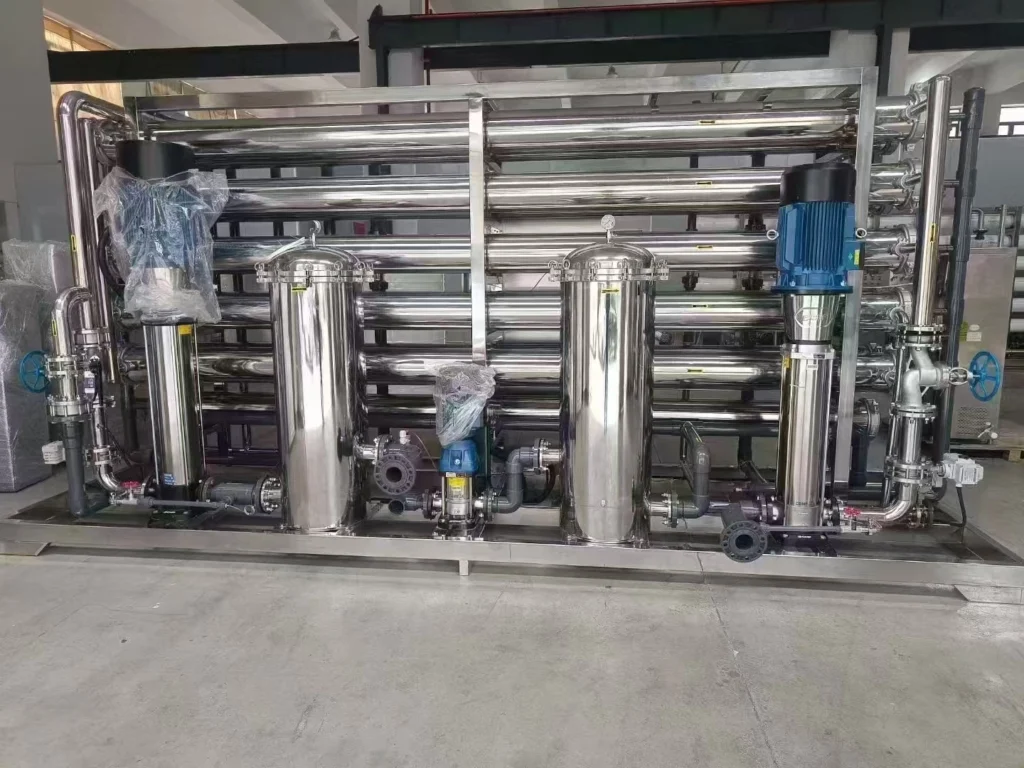
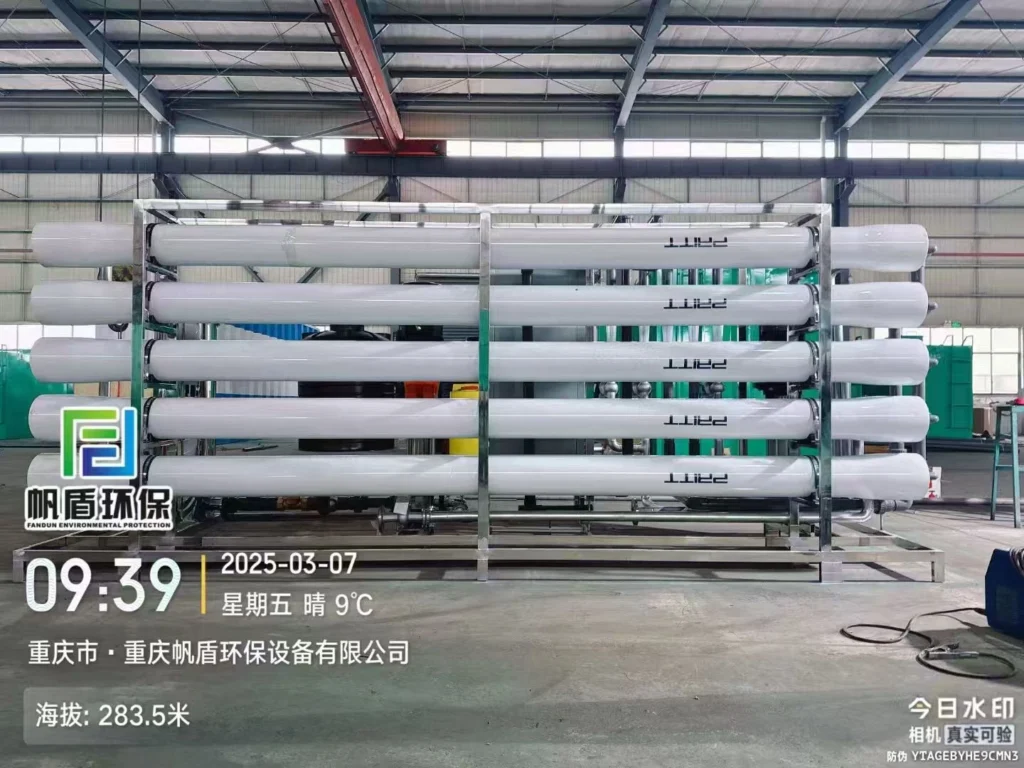
Achieving ultra-pure water is difficult with conventional methods. This process involves four main stages: pre-treatment, reverse osmosis, ultra-purification, and post-treatment. It employs multiple filtration steps, high-performance ion exchange units, ultrafiltration filters, ultraviolet lamps, TOC removal devices, EDI (electrodeionization) systems, and polishing mixed-bed units. Through these advanced treatment methods, the resistivity can reach up to 18.25 MΩ·cm (at 25°C).