Medical Pure Water
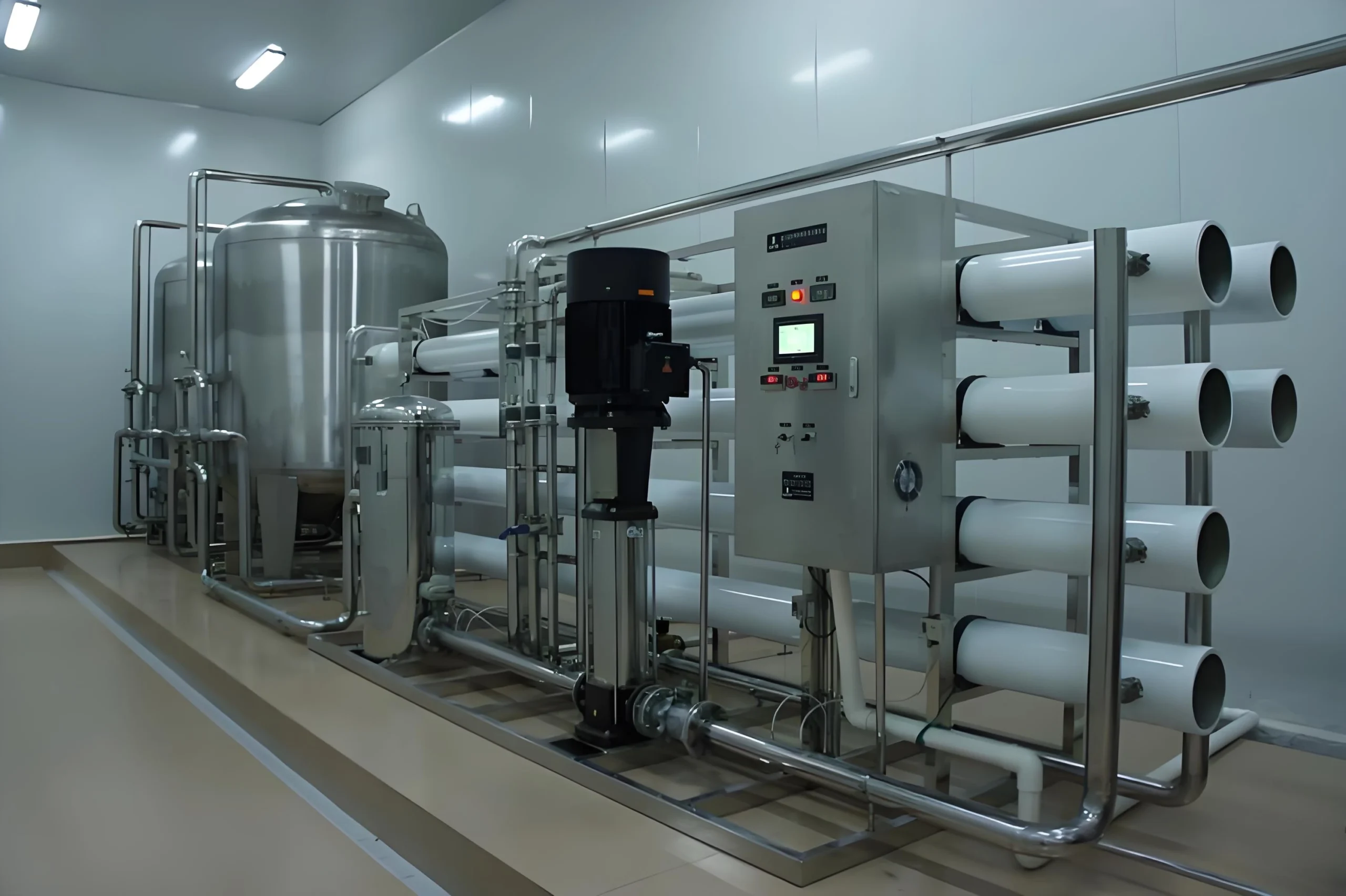
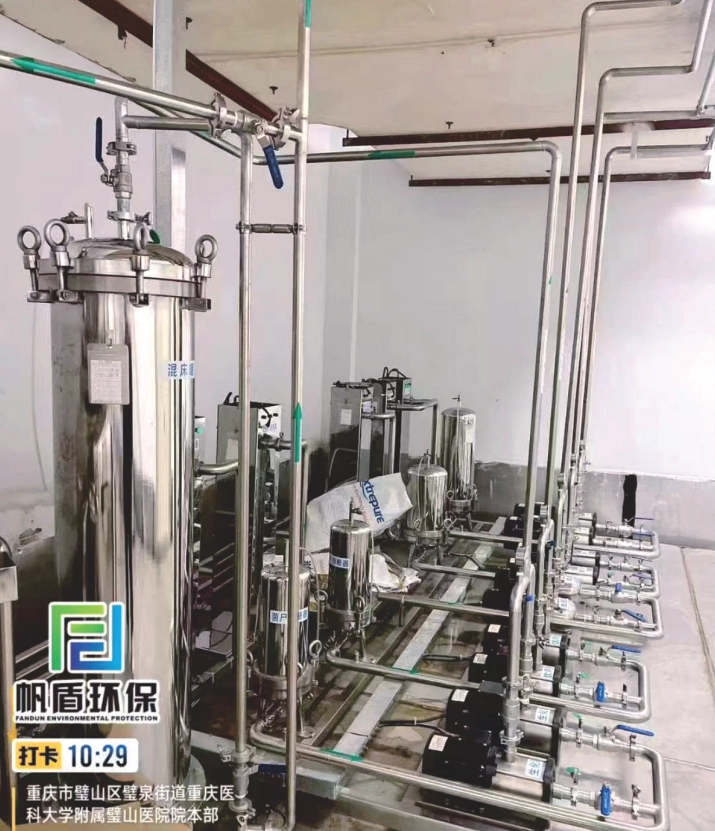
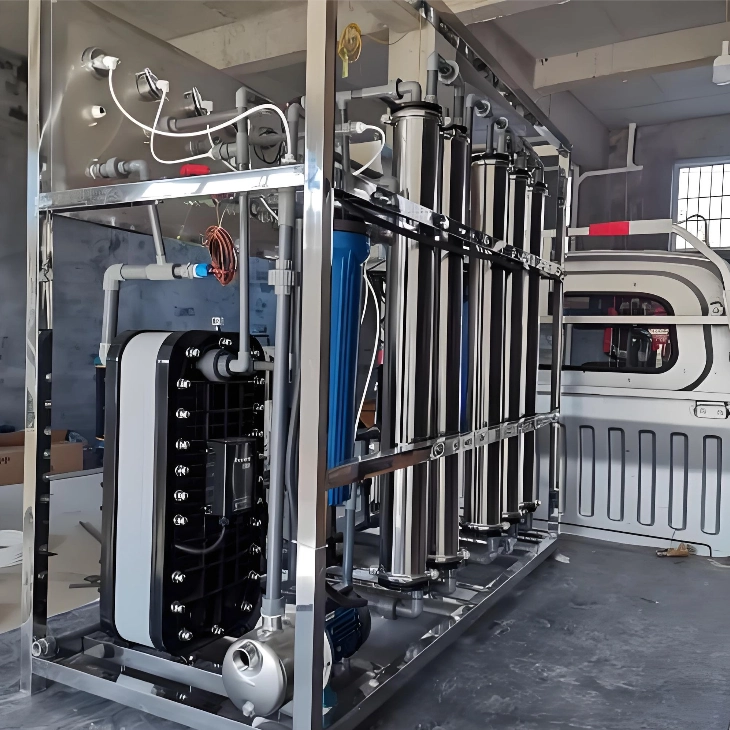
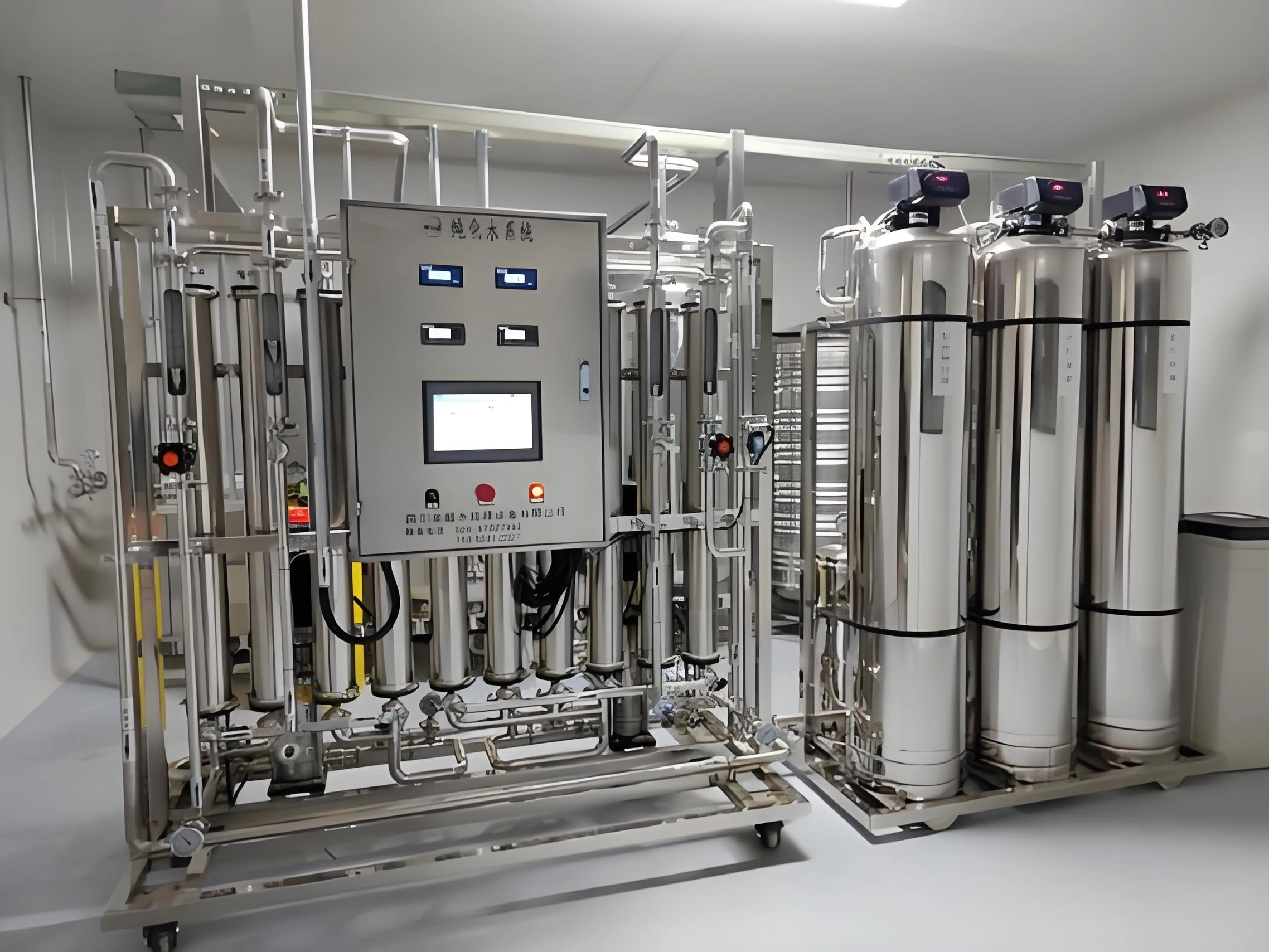
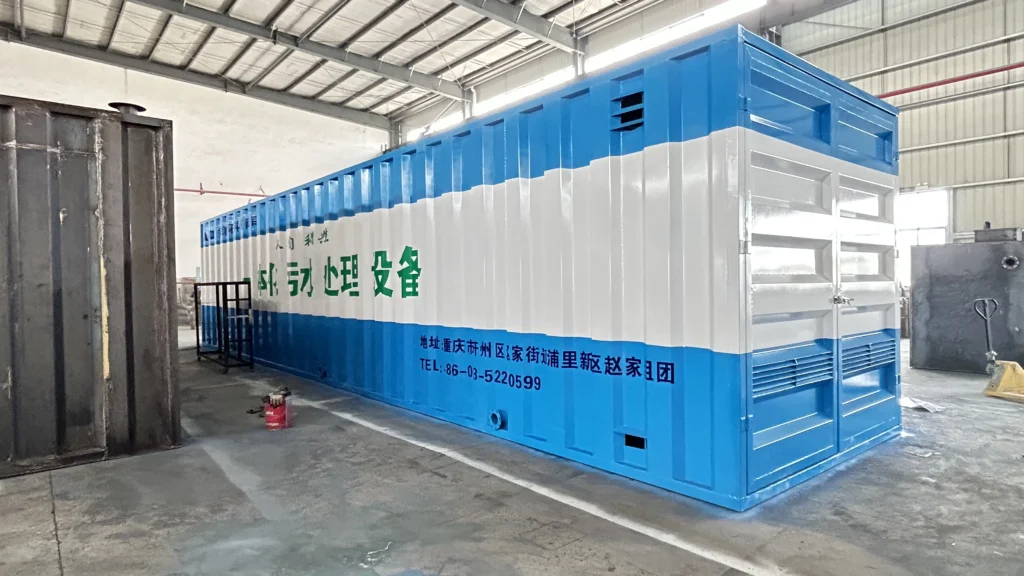
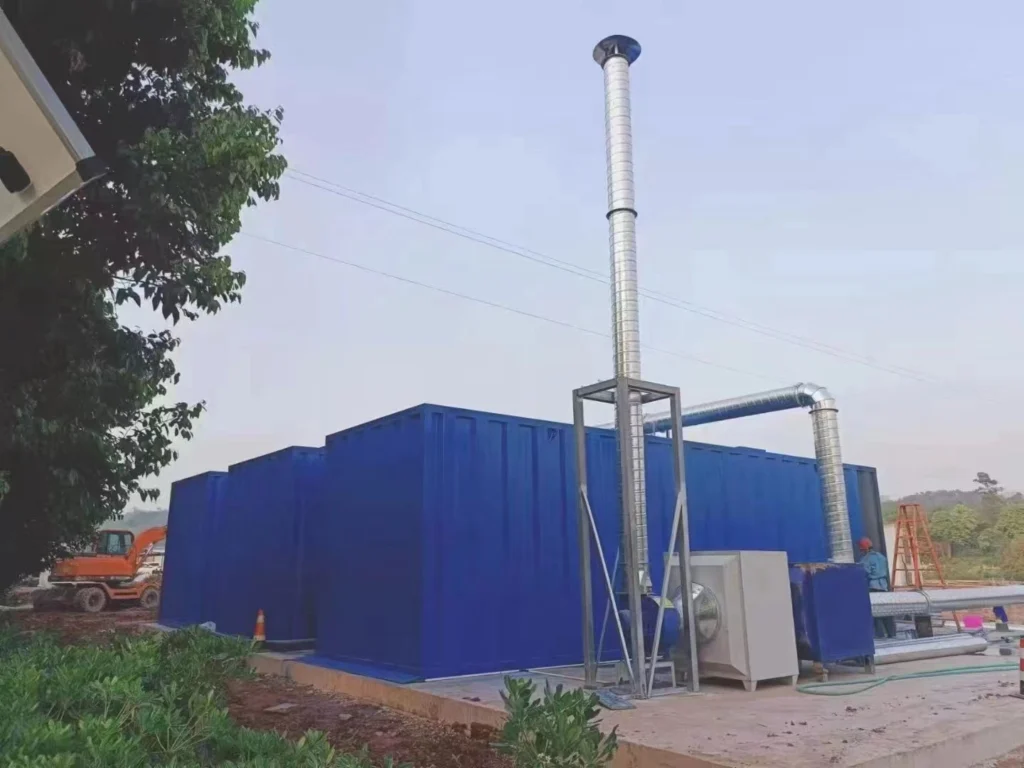
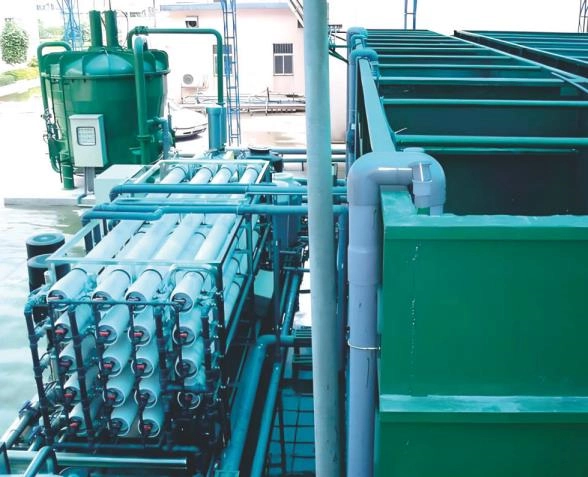
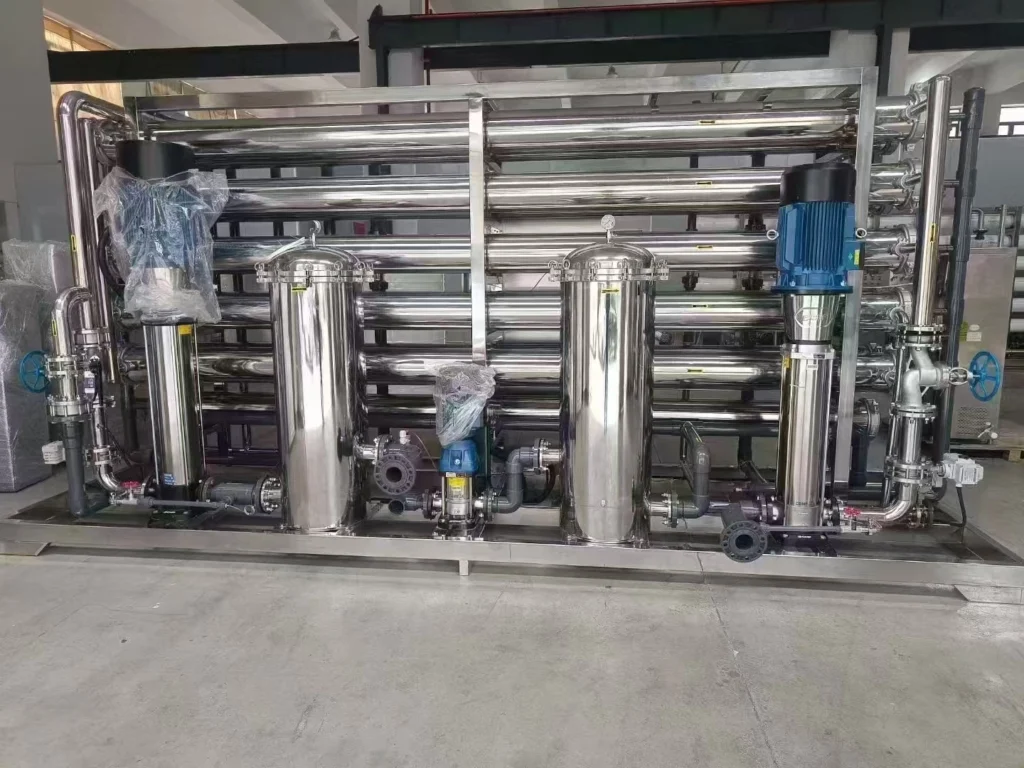
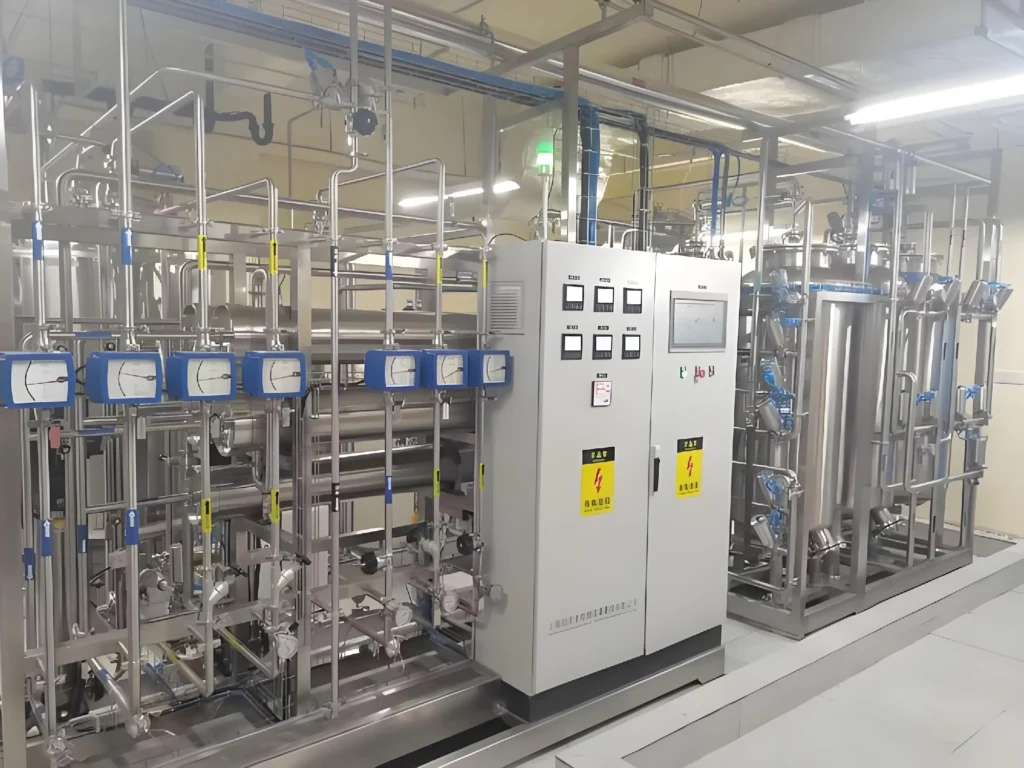
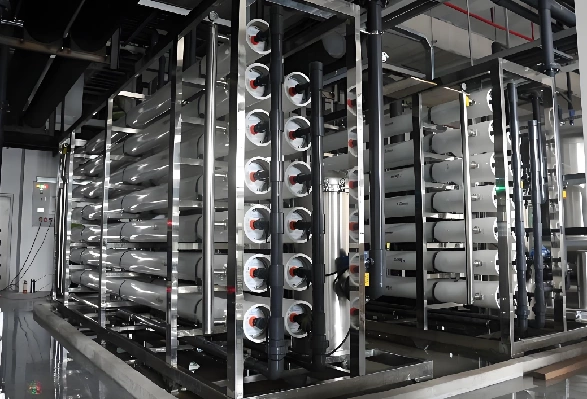
The centralized medical water supply system utilizes membrane purification technology, integrating microfiltration, ultrafiltration, reverse osmosis, EDI, and disinfection/sterilization processes. Equipped with mature and reliable IoT technology, it enables real-time remote data sharing and features automatic, manual, emergency, and remote control modes. Under normal operation, the centralized water supply system is fully automated, allowing for unattended operation. During maintenance and repairs, manual control ensures continuous and stable operation, guaranteeing hospital water safety.
Product Introduction
The centralized medical water supply system utilizes membrane purification technology, integrating microfiltration, ultrafiltration, reverse osmosis, EDI, and disinfection/sterilization processes. Equipped with mature and reliable IoT technology, it enables real-time remote data sharing and features automatic, manual, emergency, and remote control modes. Under normal operation, the centralized water supply system is fully automated, allowing for unattended operation. During maintenance and repairs, manual control ensures continuous and stable operation, guaranteeing hospital water safety.
The medical water supply system addresses the pure water needs of various departments. It employs a centralized preparation and differentiated water supply model. A central water purification system deeply purifies the raw water to meet the medical water requirements of each department and relevant national standards before distributing it to individual water points via a pipeline network. Compared to independent departmental water supply systems, this system offers advantages such as water and electricity savings, lower consumable consumption, lower operating costs, and higher water utilization rates, and is gradually replacing traditional independent water supply models.

Product Parameters
| Product water quality | It complies with the Chinese Pharmacopoeia 2015, the United States Pharmacopeia (USP) 39, and the European Pharmacopoeia EP8.0. |
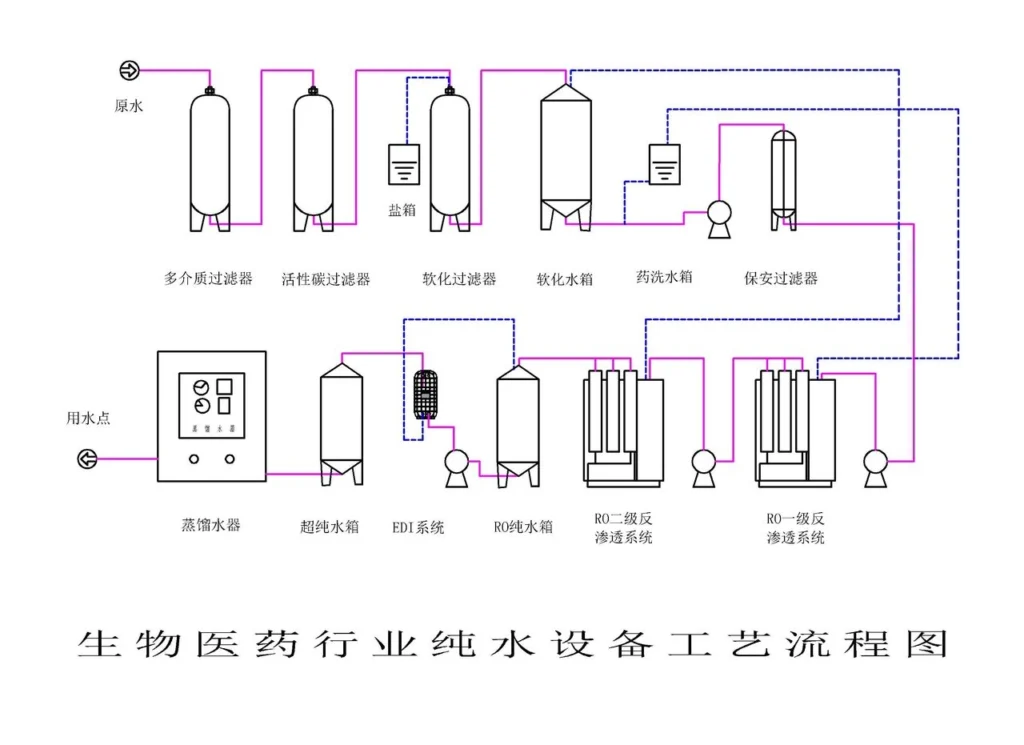
| Product Process | Pretreatment + Reverse Osmosis (RO) + Electrodeionization (EDI) |
| Disinfection methods | Pasteurization |
| Control method | Fully automatic control |
Note: The system is customized based on user requirements (URS)
Design & quality
Design
- It can obtain continuous, stable, and pharmacopoeia-compliant permeable water quality indicators.
- Sampling valves are installed at locations where water quality changes occur in each unit for easy sampling and analysis.
- Online conductivity and pH values of raw water, RO permeate, EDI permeate, and circulating return water are monitored. Only permeate that meets quality standards enters the purified water tank.
- Secondary RO concentrate, EDI concentrate, and any unqualified purified water are recycled back to the raw water tank for reuse, saving water resources and reducing operating costs.
- Welding is the preferred method for pipe connections, followed by clamp connections. Dead corners meet 3D requirements to control microbial growth.
- Air-blocking drainage pipes prevent backflow and cross-contamination.
quality
- Online monitoring of product water quality meets customer requirements;
- The system is designed for 15 years of safe and stable operation;
- GMP consulting services and GMP validation system documentation are provided;
- The system minimizes the risk of microbial growth, with dead zones less than 3D;
- Drainage uses an air-blocking method to avoid backflow and cross-contamination, with a minimum discharge point and a 5‰ slope;
- The return water velocity in the circulation pipeline is greater than 1m/s to control microbial growth.