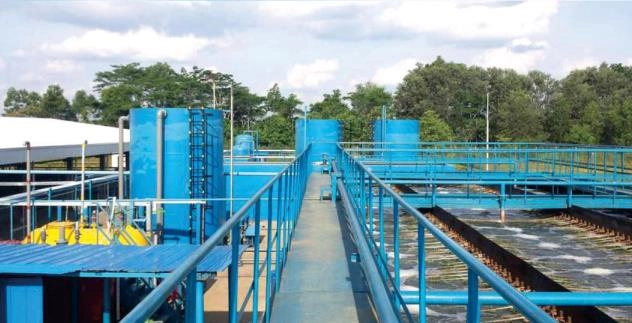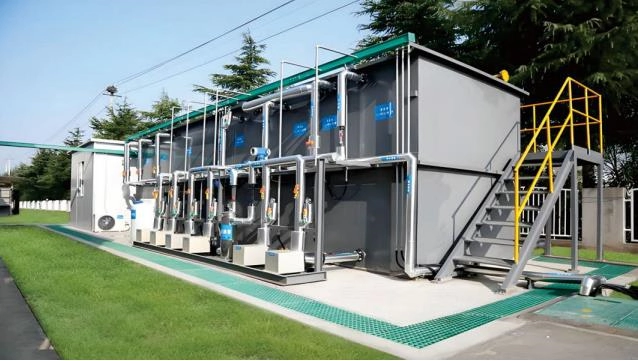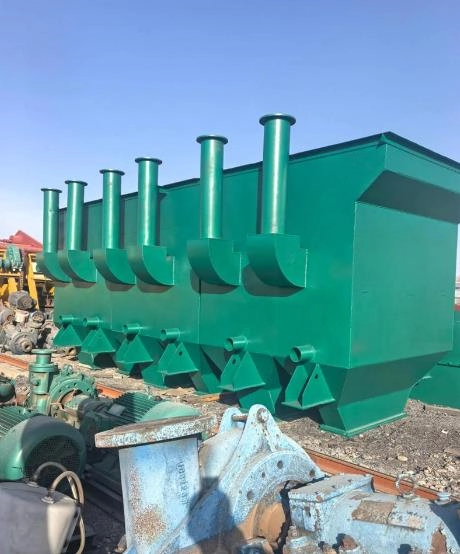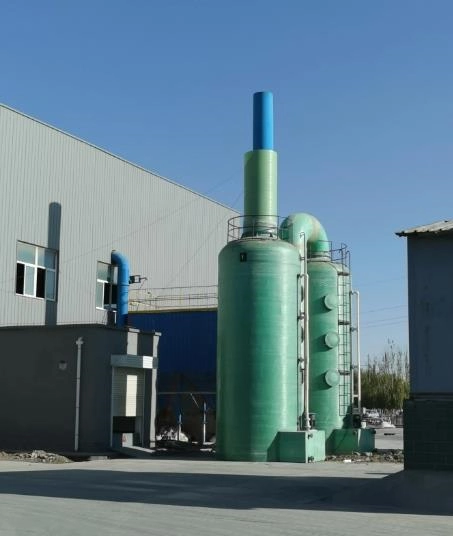
Integrated rural domestic wastewater treatment equipment
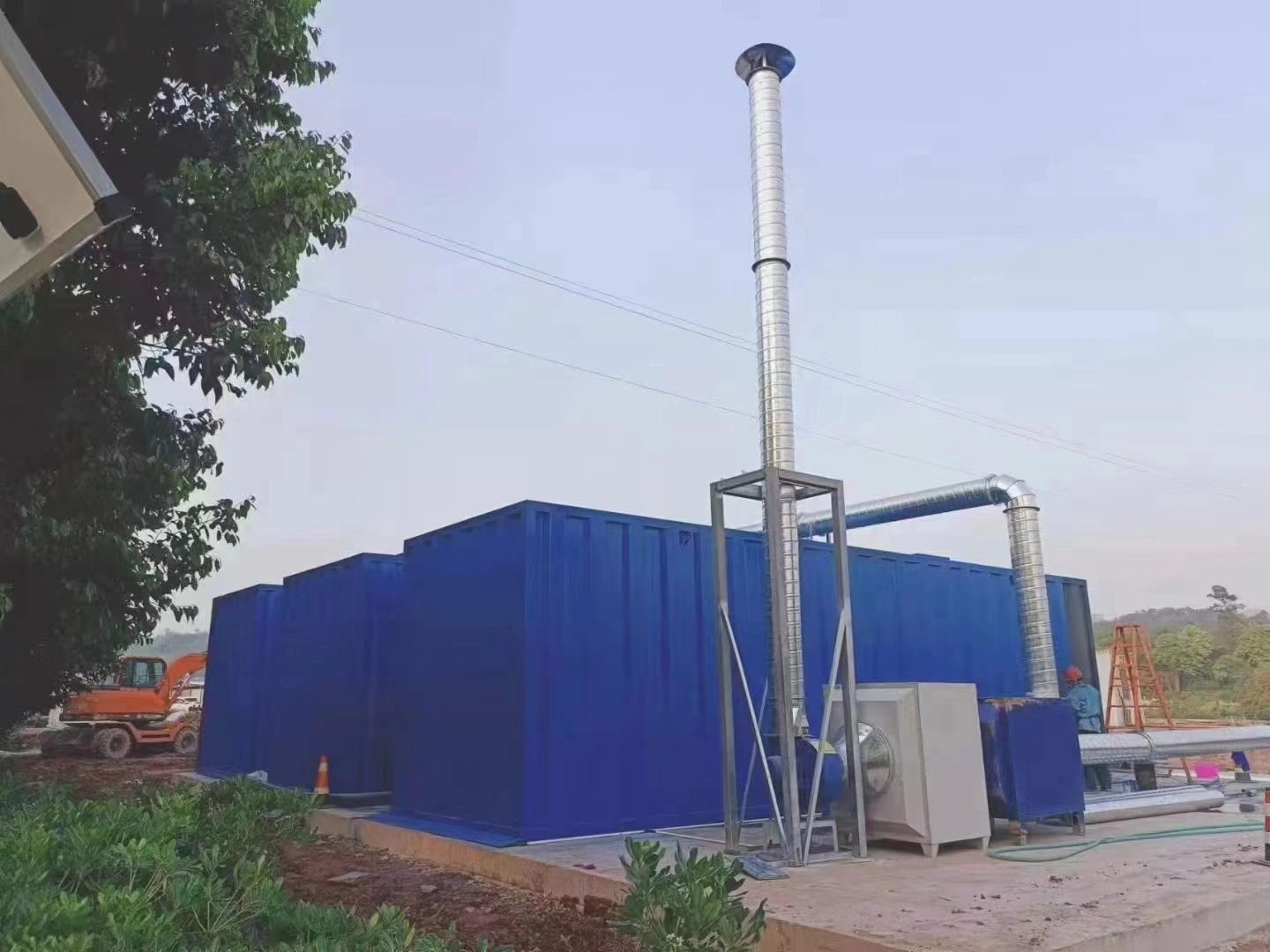
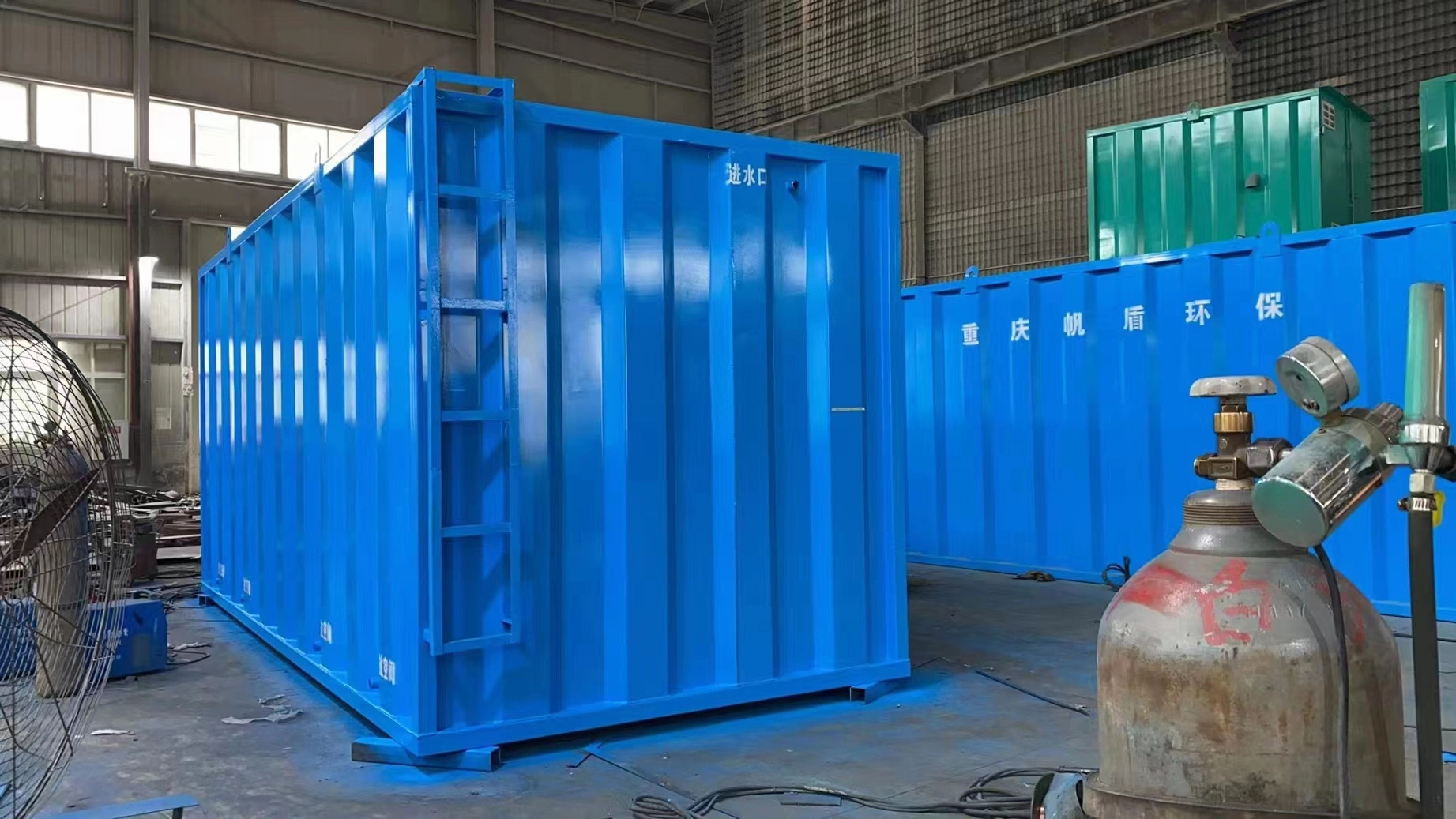
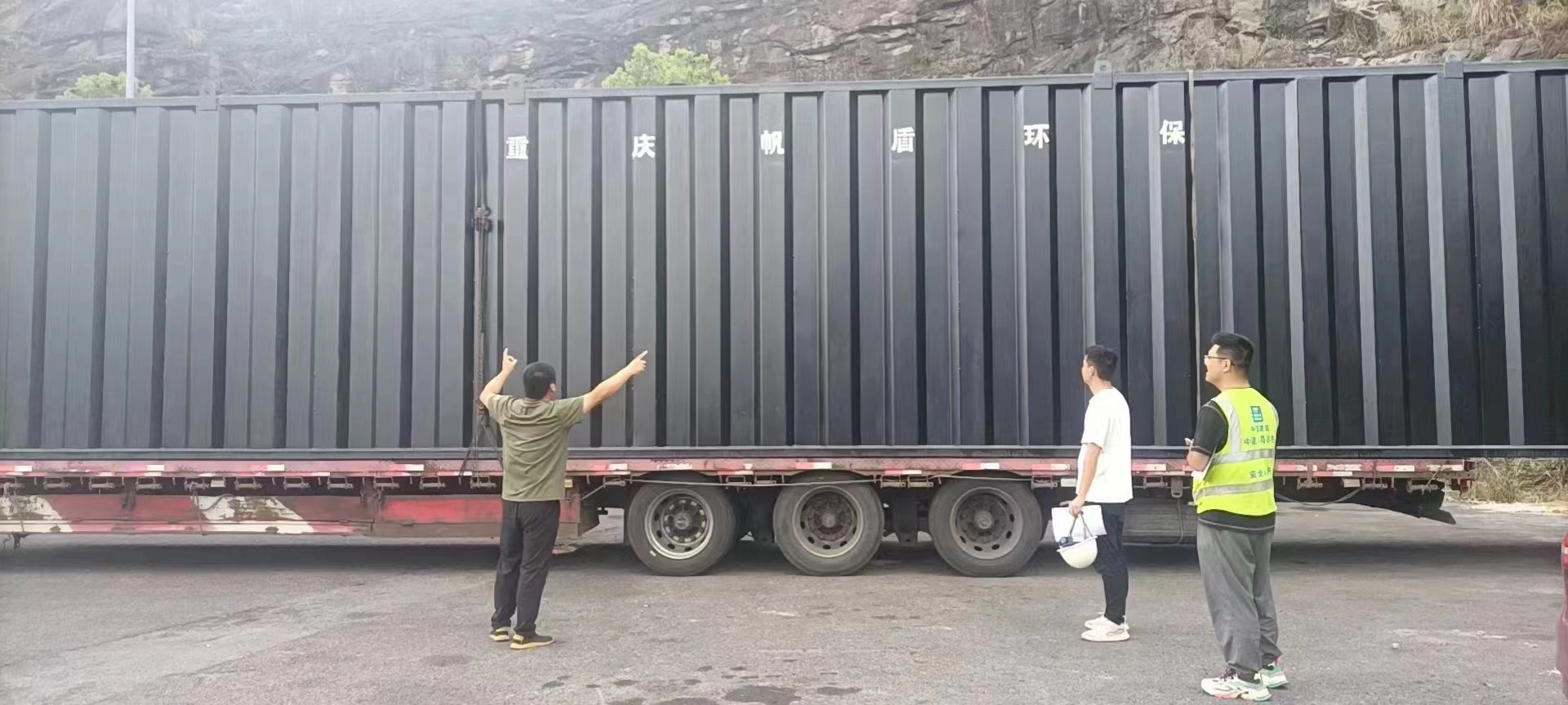
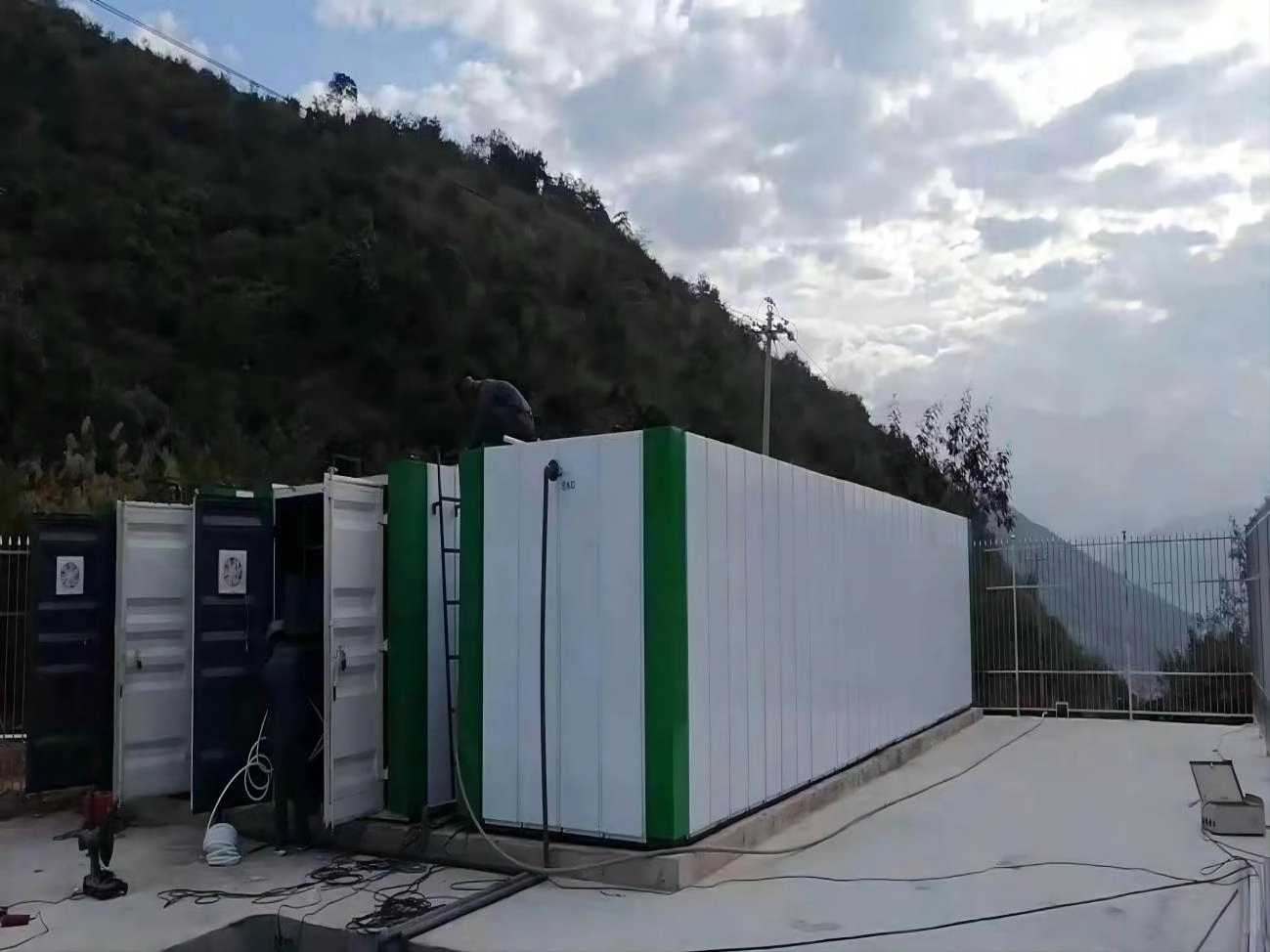
With the advancement of the times, rural wastewater treatment has become one of the most important components of rural development and construction. Over 90% of sewage or fecal waste across the country is directly discharged into underground areas or lakes.Rural domestic wastewater comes in various types and contains complex compositions, primarily including kitchen washing water, laundry wastewater, bathing wastewater, cleaning water for farming tools, toilet flushing wastewater, leachate from household garbage piles, livestock and poultry manure generated by mixed human-animal living conditions, and some rainfall runoff.
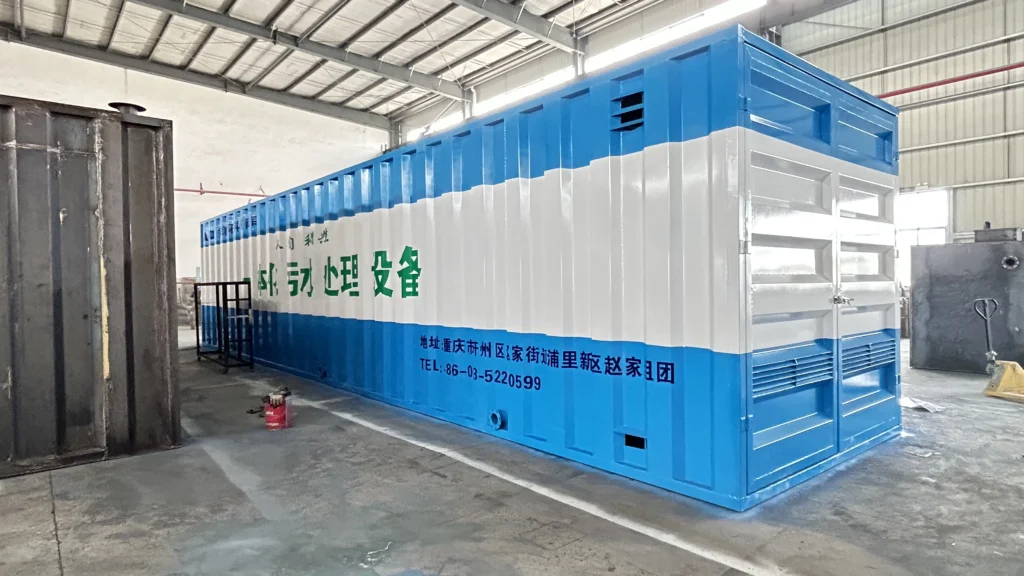
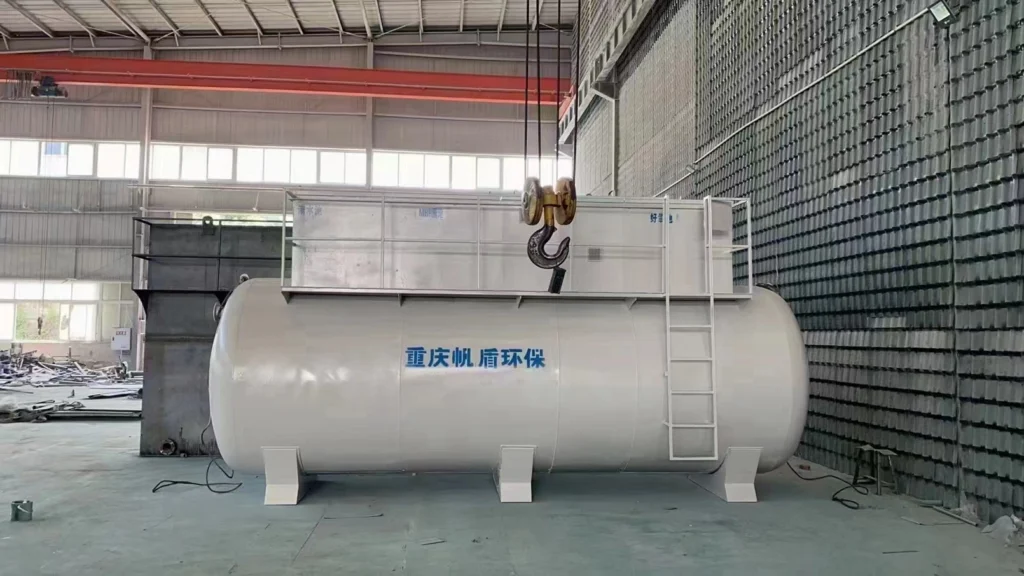
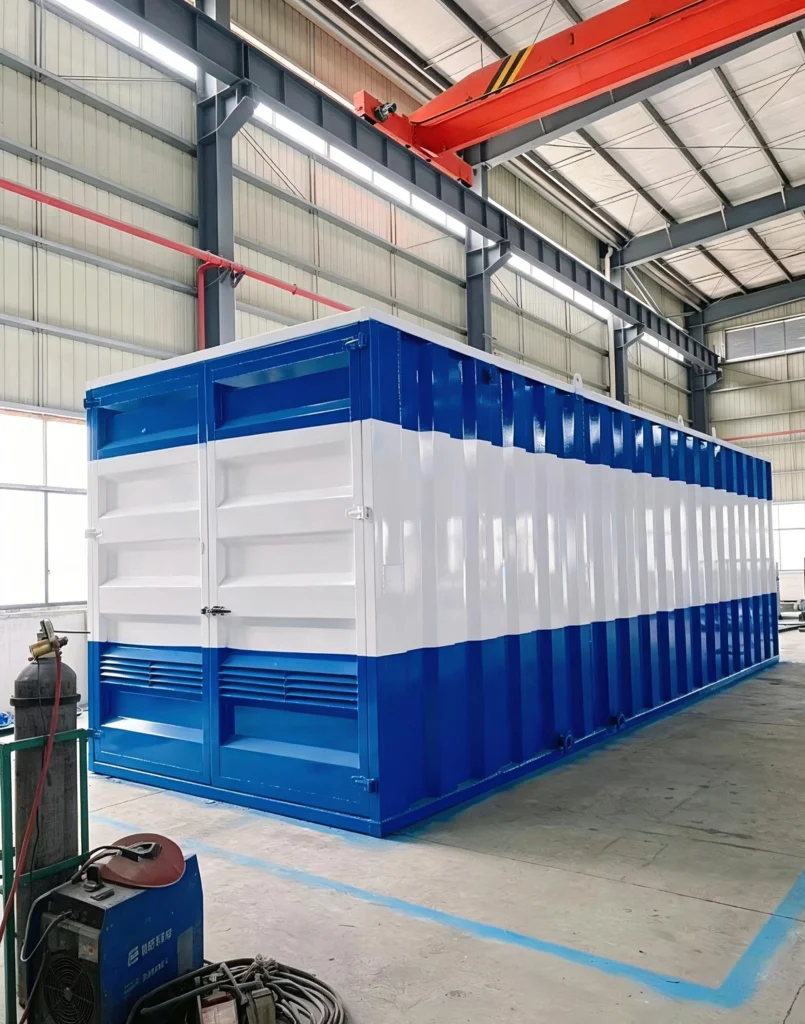
Rural domestic wastewater typically has high organic content. If left untreated and freely discharged, it will severely pollute the environment essential for human survival and ultimately affect public health. To address the challenges posed by rural domestic wastewater, Hongsen Environmental Protection has introduced an integrated rural domestic wastewater treatment system.
Product Introduction
With the advancement of the times, rural wastewater treatment has become one of the most important components of rural development and construction. Over 90% of sewage or fecal waste across the country is directly discharged into underground areas or lakes.
Rural domestic wastewater comes in various types and contains complex compositions, primarily including kitchen washing water, laundry wastewater, bathing wastewater, cleaning water for farming tools, toilet flushing wastewater, leachate from household garbage piles, livestock and poultry manure generated by mixed human-animal living conditions, and some rainfall runoff.
Rural domestic wastewater typically has high organic content. If left untreated and freely discharged, it will severely pollute the environment essential for human survival and ultimately affect public health. To address the challenges posed by rural domestic wastewater, Hongsen Environmental Protection has introduced an integrated rural domestic wastewater treatment system.
Integrated Domestic Wastewater Treatment Equipment Features:
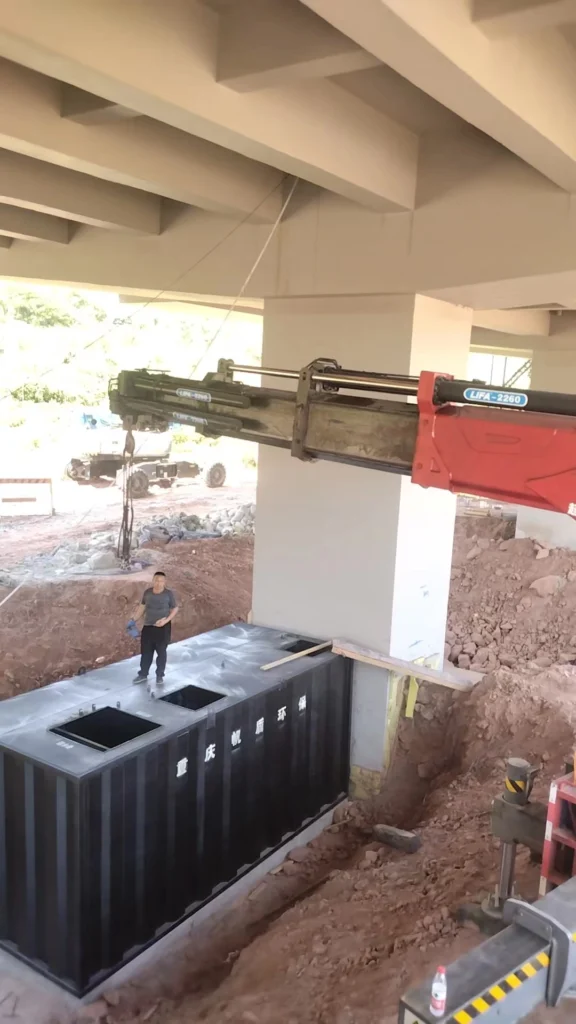
1. Installed underground, saving surface space.
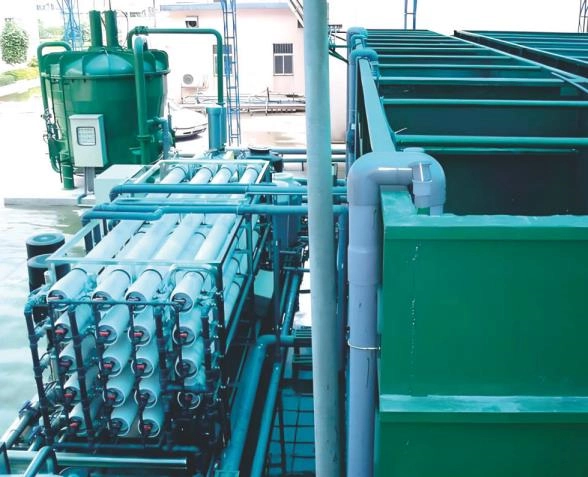
2. The secondary biological contact oxidation process employs a plug-flow design, which delivers superior treatment efficiency compared to completely mixed or two-stage series completely mixed biological contact oxidation tanks. It also features a smaller footprint than activated sludge tanks, strong adaptability to varying water qualities, excellent resistance to shock loads, stable effluent quality, and no risk of sludge bulking. The tank is equipped with a new type of elastic three-dimensional filler, offering a large specific surface area that facilitates microbial biofilm formation and detachment. Under the same organic loading conditions, it achieves higher organic removal rates and enhances oxygen solubility in water.
3. The biochemical tank uses the biological contact oxidation method, with relatively low volumetric loading on the filler media. Microorganisms remain in the self-oxidation phase, resulting in minimal sludge production—requiring sludge discharge only once every three months (90 days) or more, either by suction using a fecal truck or dewatering into cake form for external transport.
4. In addition to conventional high-altitude air exhaust for odor control, this buried domestic wastewater treatment system incorporates soil-based deodorization measures.
5. The entire equipment system is equipped with an automatic electrical control system and fault alarm system, ensuring safe and reliable operation. Normally, dedicated personnel are not required for management; routine maintenance and servicing at appropriate intervals are sufficient.