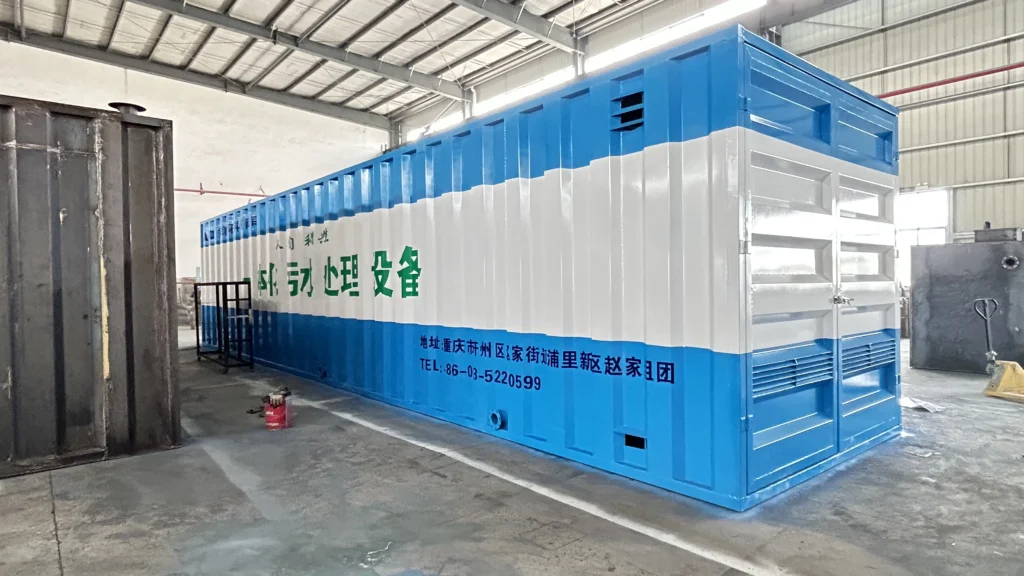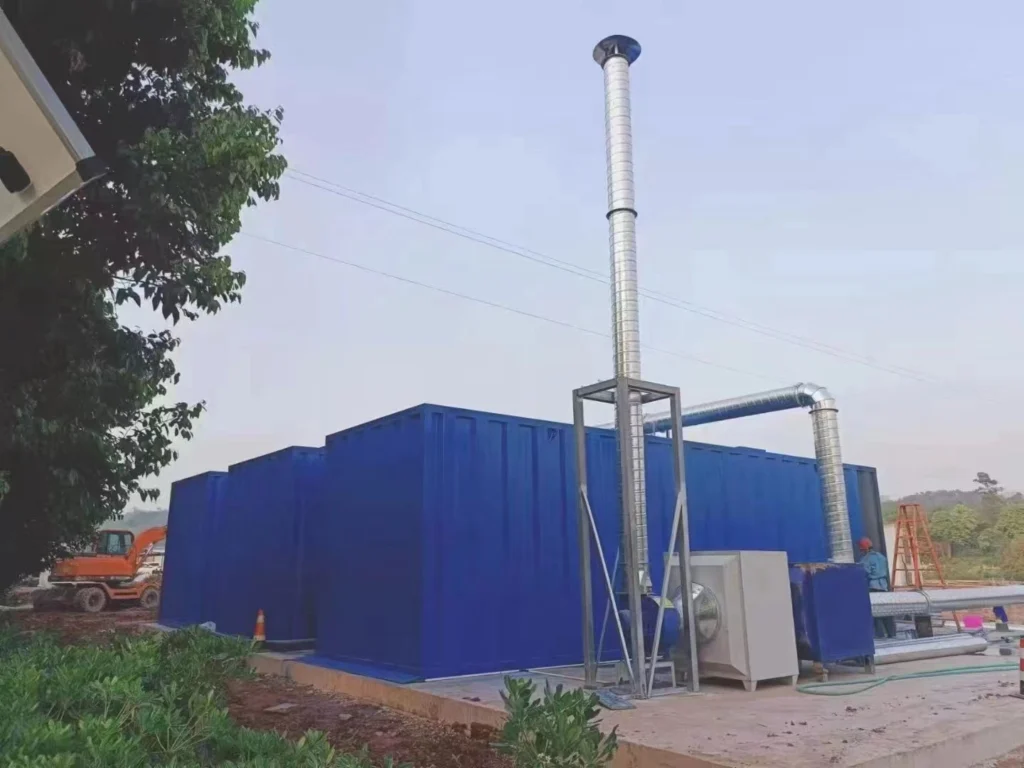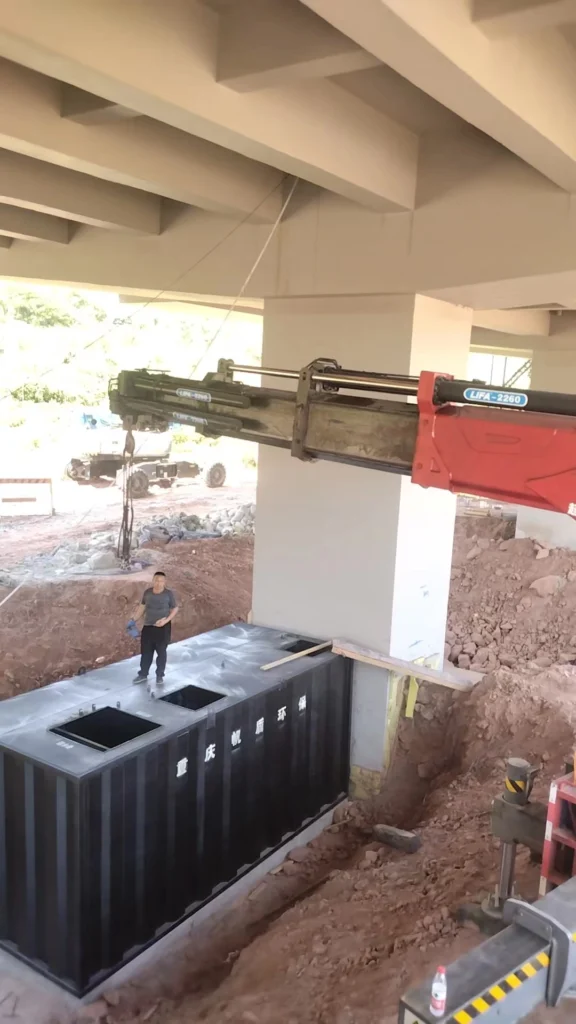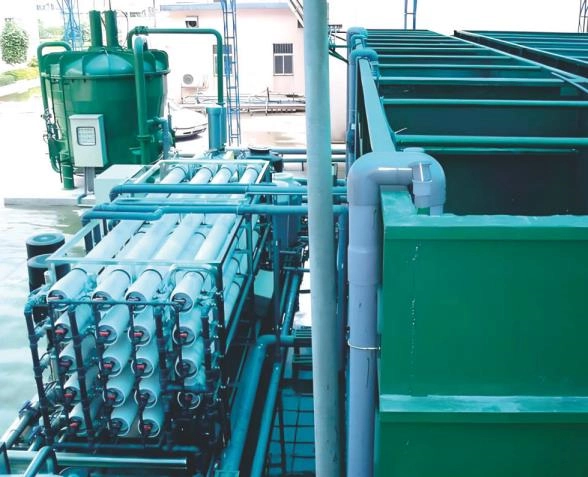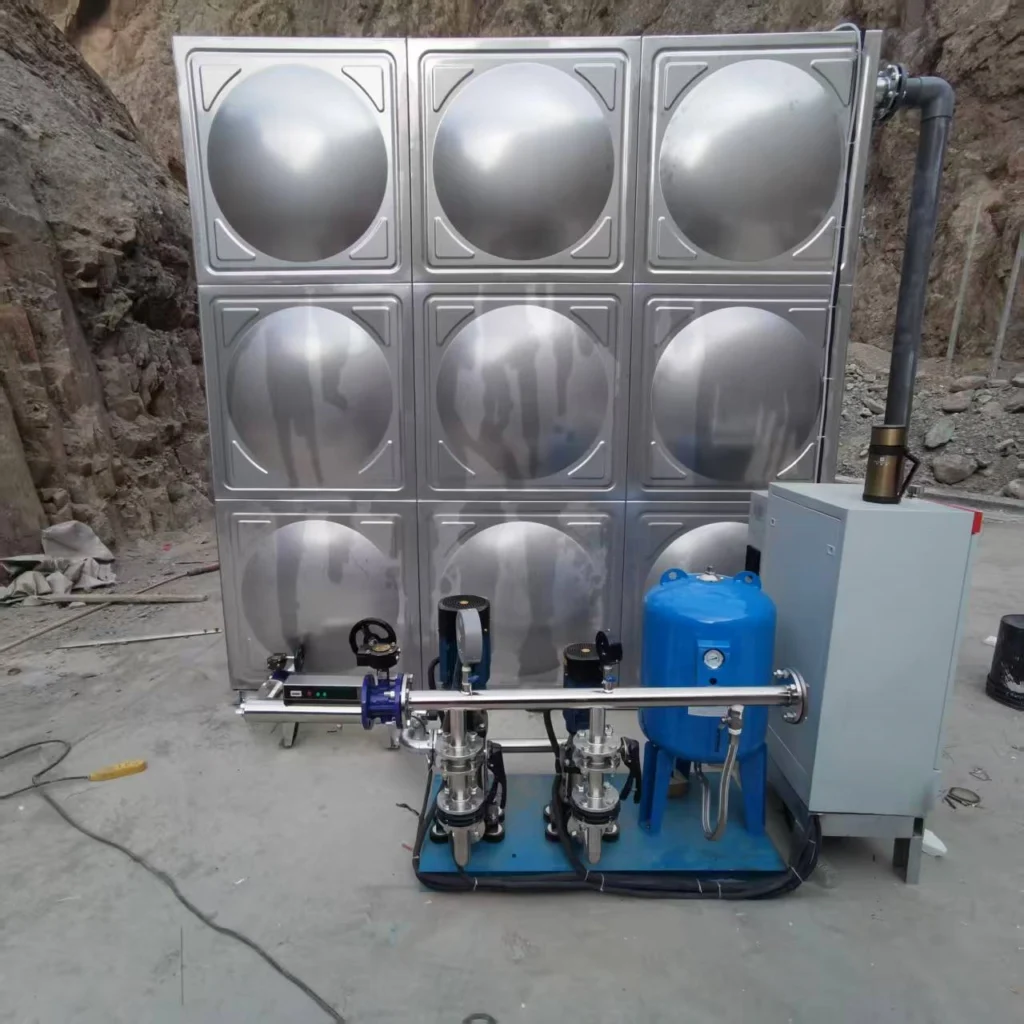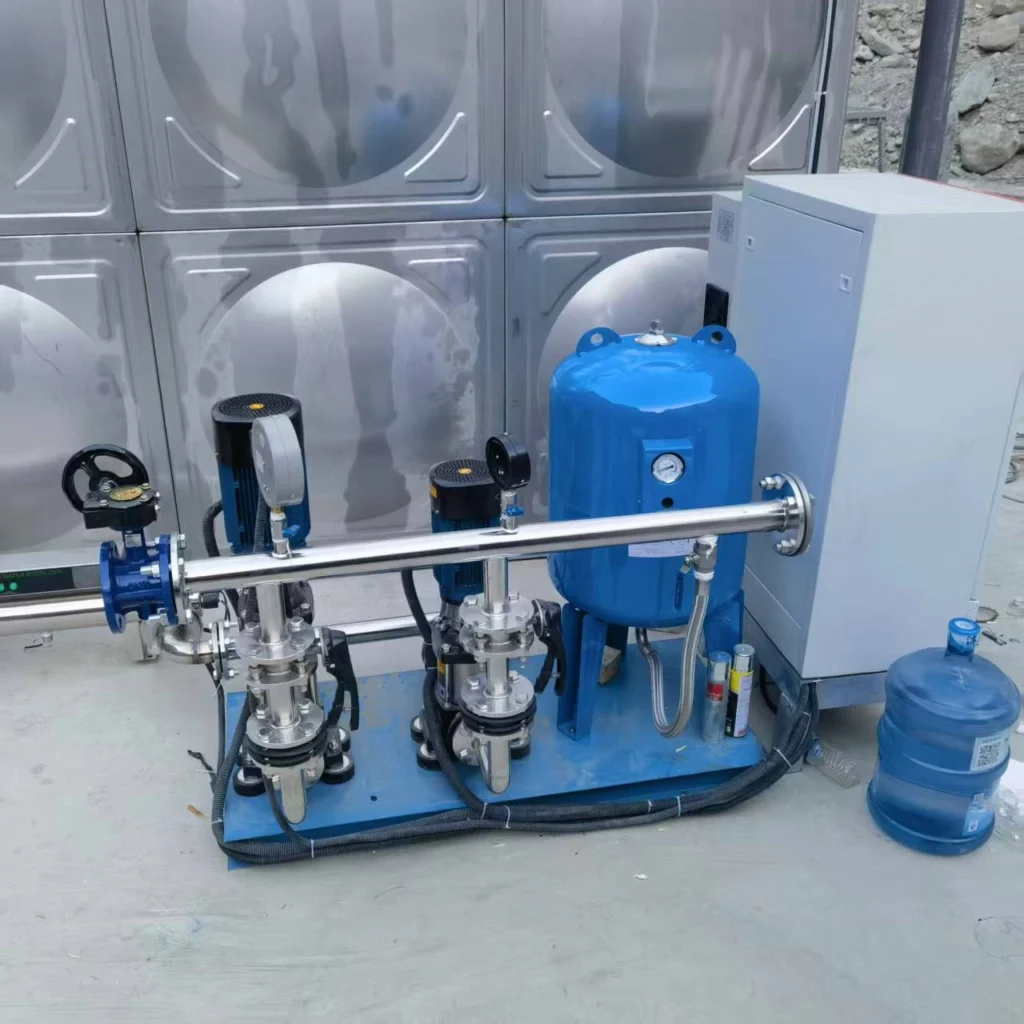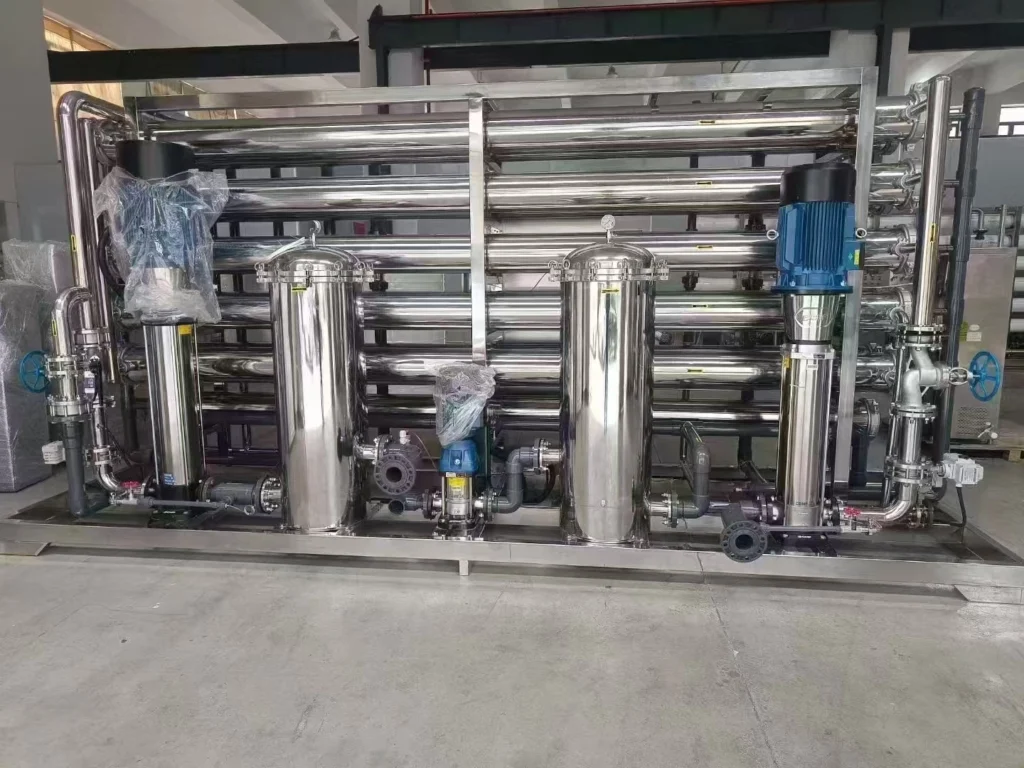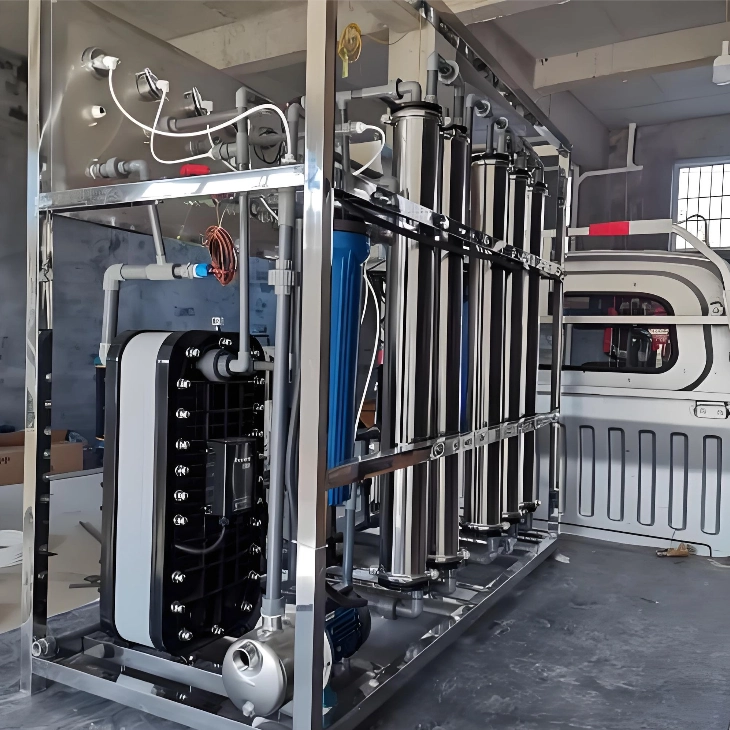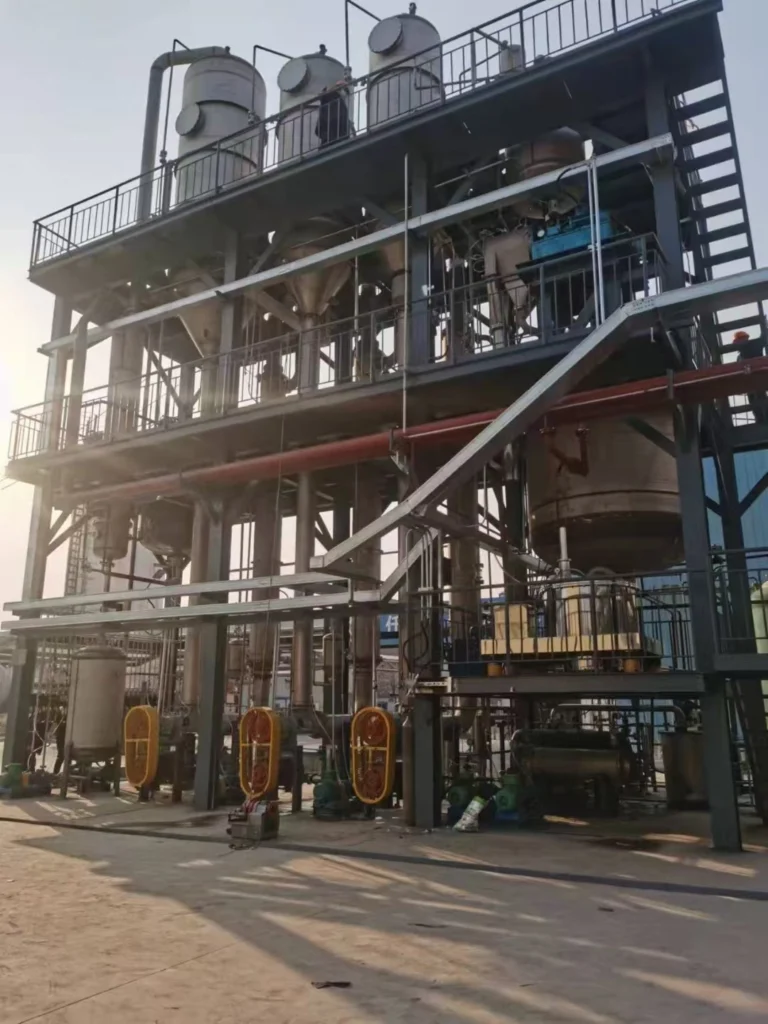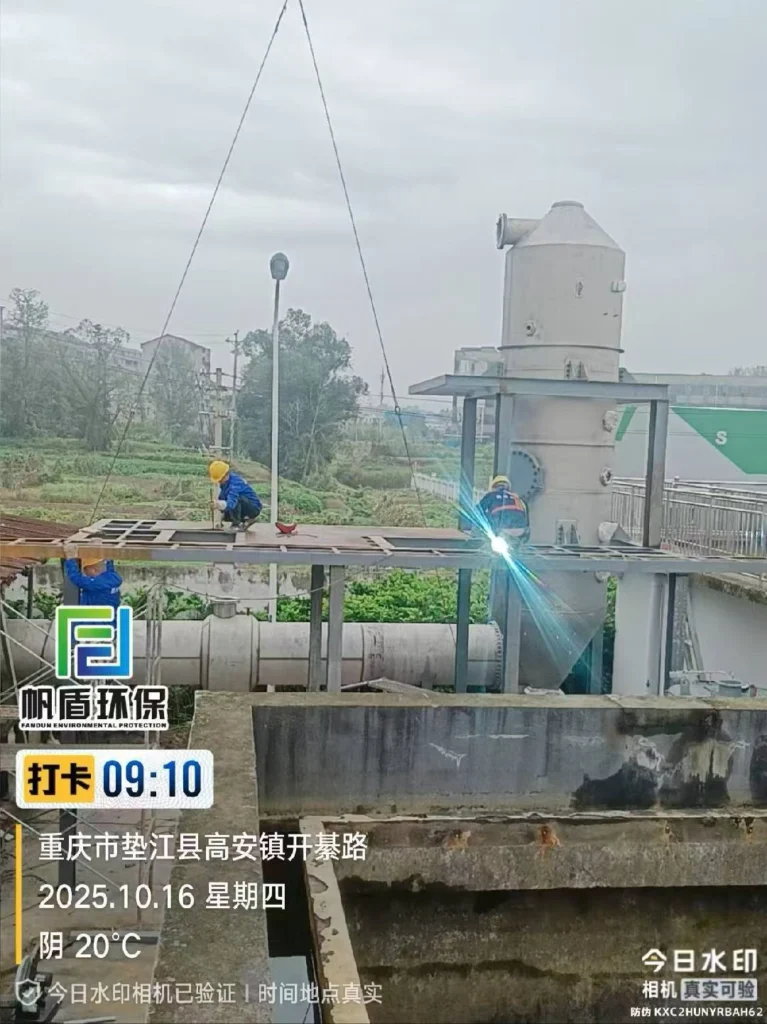
Coal chemical wastewater treatment equipment
Coal chemical wastewater is industrial wastewater generated during coal chemical production processes. These processes use coal as a raw material and convert it into gaseous, liquid, and solid products, as well as various chemical products, through chemical operations such as coking, gasification, liquefaction, tar chemistry, carbide-acetylene chemistry, and recovery of chemical by-products. The main types of wastewater produced in these processes include coking wastewater, gasification wastewater, and liquefaction wastewater. Coking wastewater refers to residual ammonia water formed during high-temperature dry distillation and coking of coal, wastewater containing phenols and cyanides discharged when replacing circulating cooling water with fresh water during gas purification, and wastewater generated from the processing of chemical products such as coal tar refining, crude benzene purification, and product recovery.
Product Introduction
Coal chemical wastewater is industrial wastewater generated during coal chemical production processes. These processes use coal as a raw material and convert it into gaseous, liquid, and solid products, as well as various chemical products, through chemical operations such as coking, gasification, liquefaction, tar chemistry, carbide-acetylene chemistry, and recovery of chemical by-products. The main types of wastewater produced in these processes include coking wastewater, gasification wastewater, and liquefaction wastewater. Coking wastewater refers to residual ammonia water formed during high-temperature dry distillation and coking of coal, wastewater containing phenols and cyanides discharged when replacing circulating cooling water with fresh water during gas purification, and wastewater generated from the processing of chemical products such as coal tar refining, crude benzene purification, and product recovery.
Gasification wastewater refers to the water that evaporates during the gasification process and is condensed after cooling in the spray cooling system. This water is combined with the condensate from coal washing and the wastewater from coal gas scrubbing. Such wastewater typically contains pollutants such as phenols, oils, and ammonia nitrogen. Liquefaction wastewater refers to the wastewater generated during the coal liquefaction process. There are two main types of liquefaction: direct liquefaction and indirect liquefaction. Direct liquefaction involves hydrogenation of raw coal under high temperature and high pressure, causing the complex high-molecular organic substances in the coal to break down into lower-molecular-weight organic liquid hydrocarbons. The resulting wastewater contains a large amount of ammonia nitrogen and sulfides. Indirect liquefaction involves using the products obtained from coal gasification as raw materials and adding a catalyst to undergo a process under certain conditions to synthesize liquid oil and chemical products. The wastewater produced mainly contains organic pollutants such as acids, alcohols, and ketones.
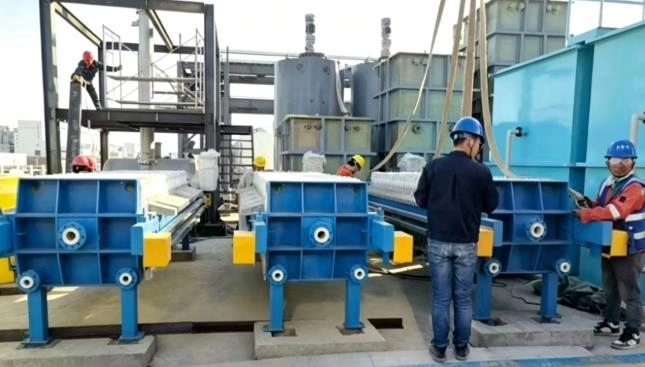
I. Characteristics of Coal Chemical Wastewater
1. Complex composition and high pollutant concentration: The wastewater produced by coal chemical enterprises has a large volume and complex quality. It contains a large amount of solid suspended particles, high concentration, and a large amount of difficult-to-degrade pollutants, such as various phenols, cyanides, polycyclic aromatic hydrocarbons, thiocyanates, benzo[a]pyrene, quinoline, indole, biphenyl, and oil, which are toxic and difficult-to-degrade organic pollutants, as well as various inorganic pollutants such as ammonia nitrogen and sulfides. The COD and color of the wastewater are very high, and it belongs to industrial wastewater with high treatment difficulty.
2. High hazard and poor biodegradability: Many organic pollutants in the treatment of coal chemical wastewater are difficult to degrade, so they have harmfulness. Cyanide is a highly toxic substance that can cause central nervous system poisoning, leading to paralysis and asphyxiation; phenols are highly toxic substances that have direct toxic effects on various cells of organisms, causing dizziness, insomnia, and corrosion of mucous membranes and skin; the high concentration of ammonia nitrogen in coal chemical wastewater entering the receiving water body will cause the water body to have a foul smell, easily leading to eutrophication of the water body and seriously damaging the water source ecosystem. Some organic compounds in coal chemical wastewater, such as heterocyclic and aromatic compounds, have high content and are difficult to biodegrade, exceeding the tolerance limit of microorganisms in the wastewater, which is toxic to microorganisms and unfavorable for their survival, so the biodegradability of the wastewater is poor.
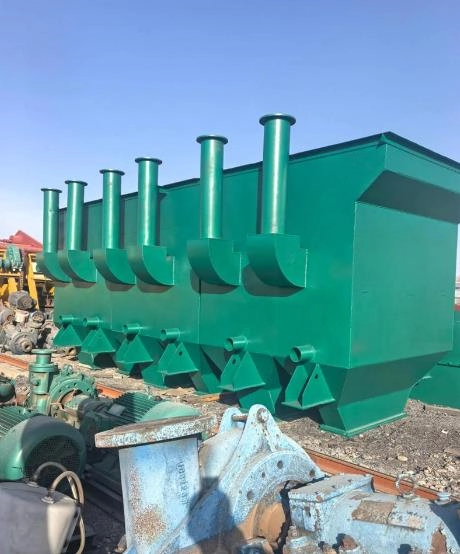
II. Process Description
1. Pretreatment Process
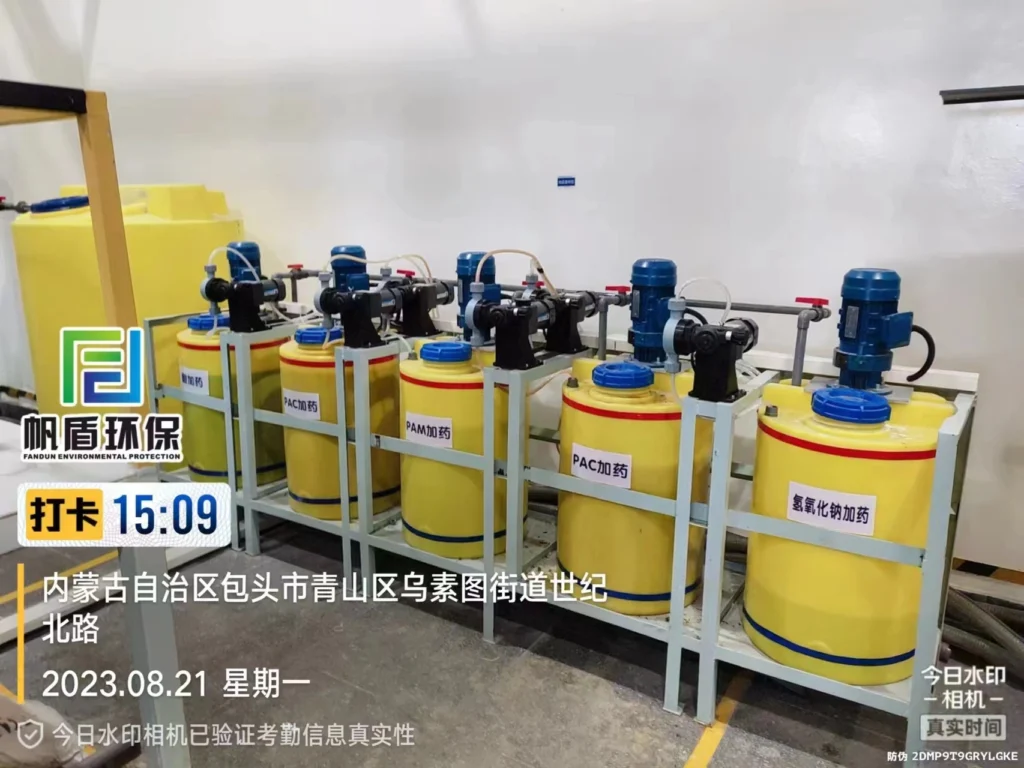
The pretreatment of coal chemical wastewater is of vital importance. It is necessary to carry out targeted pretreatment based on different water qualities to ensure that the water quality meets the requirements for subsequent biological treatment. The wastewater pretreatment mainly includes oil removal, dephenolization, ammonia removal, removal of SS (primary sedimentation tank coagulation and sedimentation), and removal of toxic and harmful or difficult-to-degrade organic substances (desulfurization and cyanide removal advanced oxidation pretreatment). The concentration of certain substances in the wastewater can cause biological toxicity. Through pretreatment to reduce the concentration of these substances, it can reach the range for biological treatment. For example, the acidic wastewater containing phenol produced by the direct coal liquefaction project of Shenhua Group has high H2S, NH3 and phenol contents. It uses a double-tower steam stripping to remove H2S and most NH3 from the wastewater, and uses isopropyl ether to extract phenolic compounds. The pretreatment makes the concentrations of H2S, NH3 and phenol reach the range for biological treatment. After biological treatment, the effluent quality meets the requirements for water replenishment in the circulating water field.
2. A/O Biochemical Treatment
The traditional physical-chemical method is costly and has high expenses. Therefore, the current wastewater treatment equipment in China mainly adopts the biological method, supplemented by physical and chemical processes. Biochemical treatment can be divided into aerobic treatment method, anaerobic treatment method, and anaerobic-aerobic combined treatment method.
3. Advanced Treatment
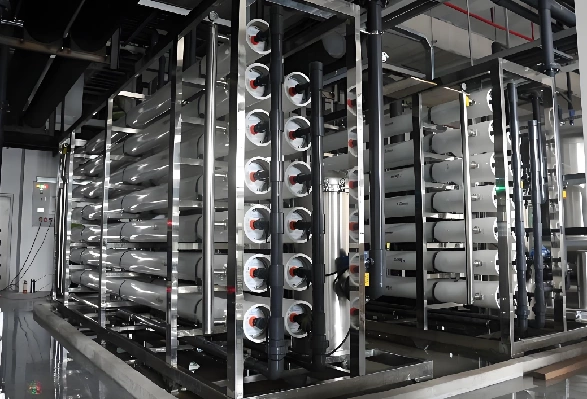
After the coal chemical wastewater undergoes biochemical treatment, the concentrations of COD and ammonia, nitrogen are significantly reduced. However, some difficult-to-degrade organic substances still cause the color and COD of the wastewater to fail to meet the discharge standards. Therefore, after the biochemical treatment, the wastewater still needs to undergo advanced treatment. The methods of advanced treatment include adsorption process, coagulation and sedimentation process, immobilized biological process, advanced oxidation process, reverse osmosis process, etc.
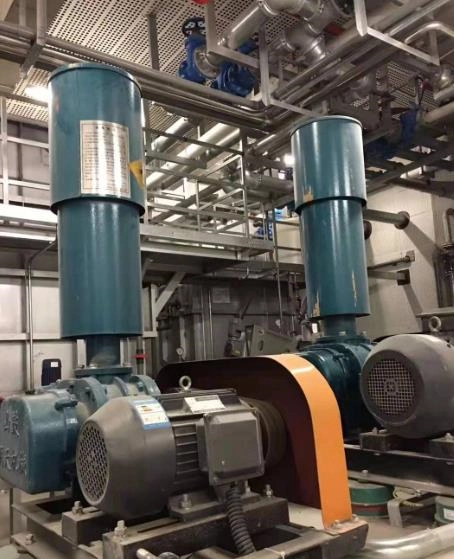
III. Notes on Coal Chemical Wastewater
1. Control of influent water quality and quantity
Based on the original statistical data of the water quality and quantity of the main sources of wastewater, as well as the provisions of the design plan, the water quality and quantity of the wastewater entering the wastewater treatment system must meet the design requirements.
2. Wastewater pretreatment
To reduce the load of subsequent biochemical treatment and alleviate the shock load of toxic substances, and to stabilize the subsequent biochemical treatment effect and facilitate operation management, the wastewater entering the system needs to undergo pretreatment before entering the system. The following points should be noted during the pretreatment process:
(1) Control the COD content of the influent water. If the COD content of the influent water fluctuates too much, it will bring a great impact on the system operation. Therefore, according to the design requirements, the COD content of the influent water should be strictly controlled within the design requirements.
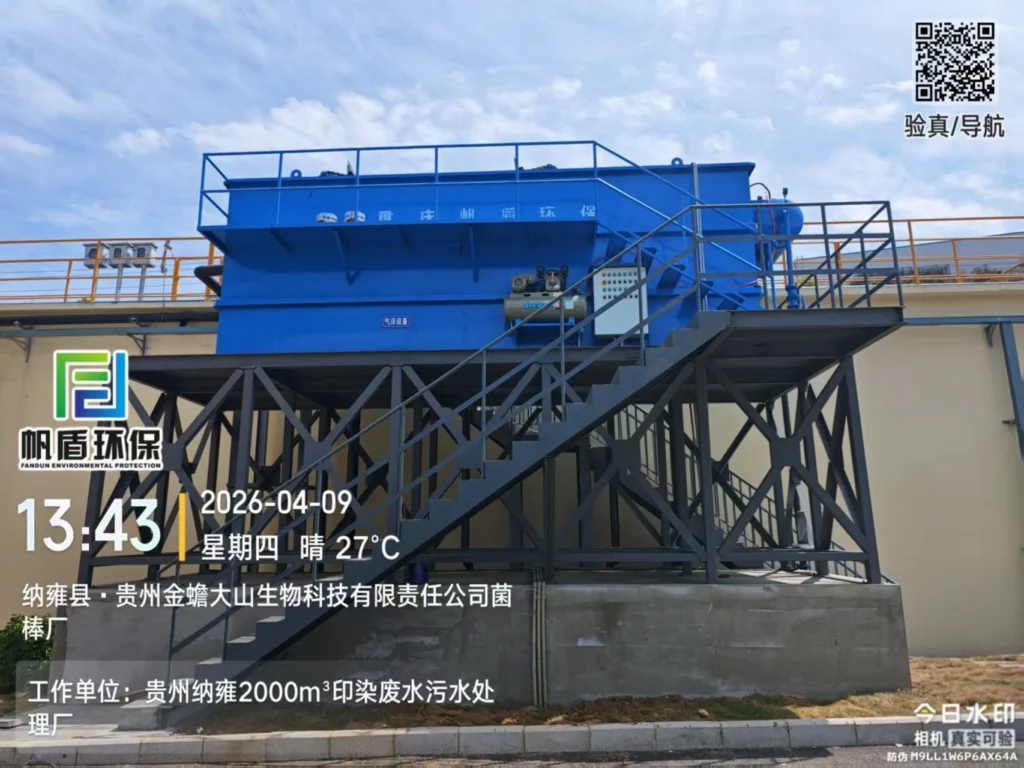
(2) Control the content of oil in the influent water. The gas condensate wastewater and the turbid water from various places after the clear and turbid separation should undergo gravity oil separation and air flotation oil removal treatment (with oil content lower than 30mg/L), and the oil content should be reduced to below the concentration that affects the normal growth of microorganisms before being discharged into the regulating tank.
(3) Reduce ammonia nitrogen. The partially evaporated ammonia wastewater should first pass through a fixed ammonia decomposition device to reduce its ammonia nitrogen concentration from 800mg/L to 250mg/L, and then be discharged into the regulating tank.