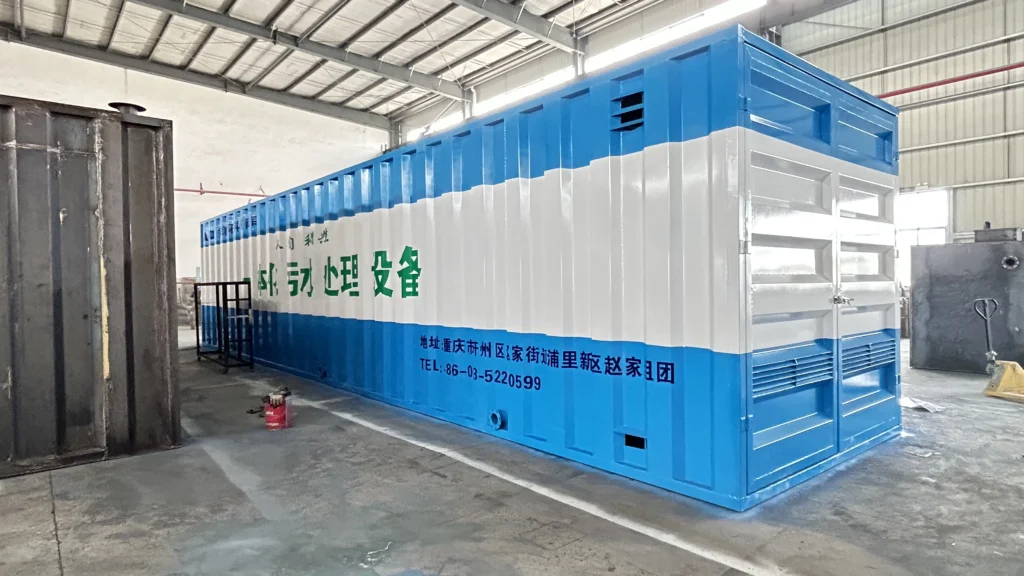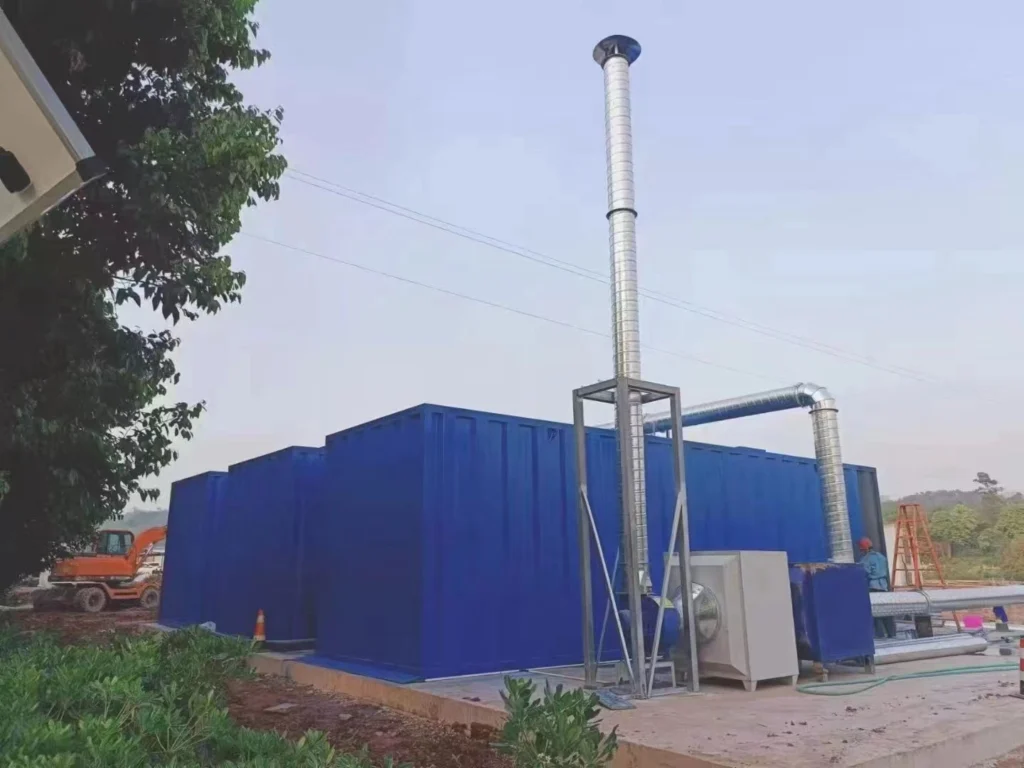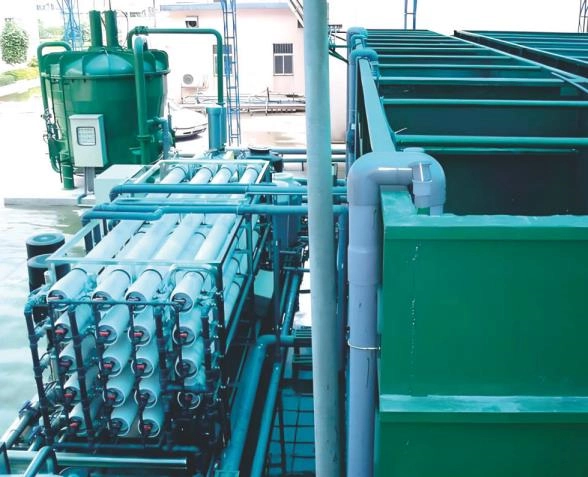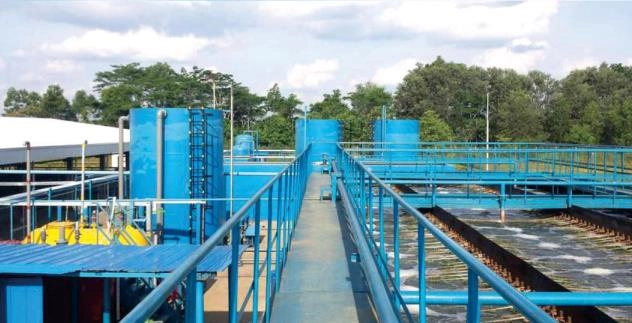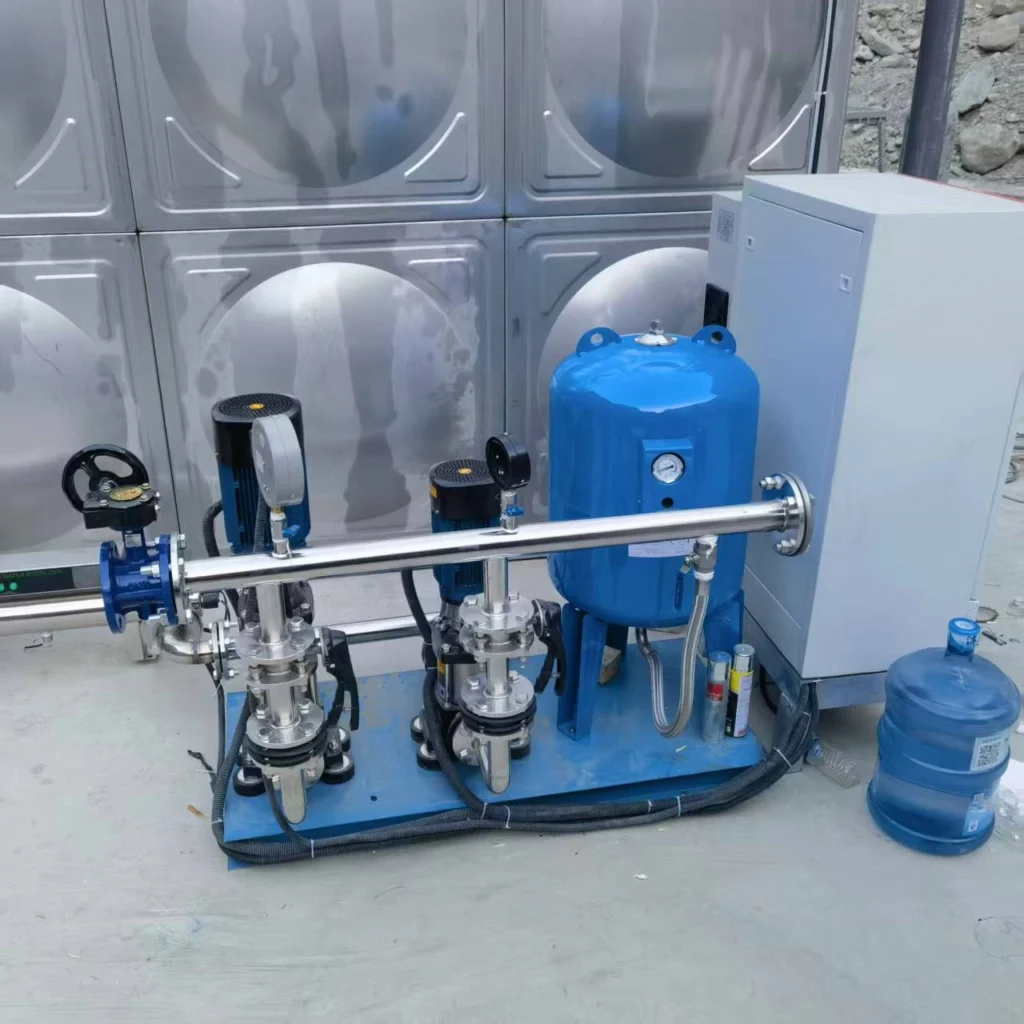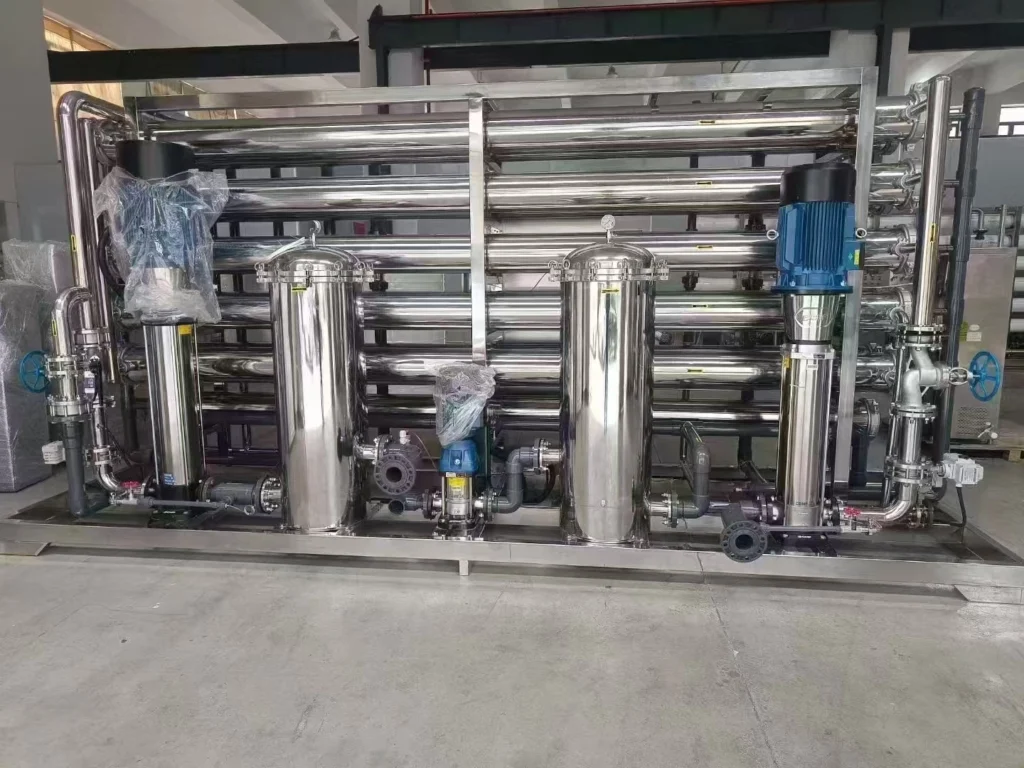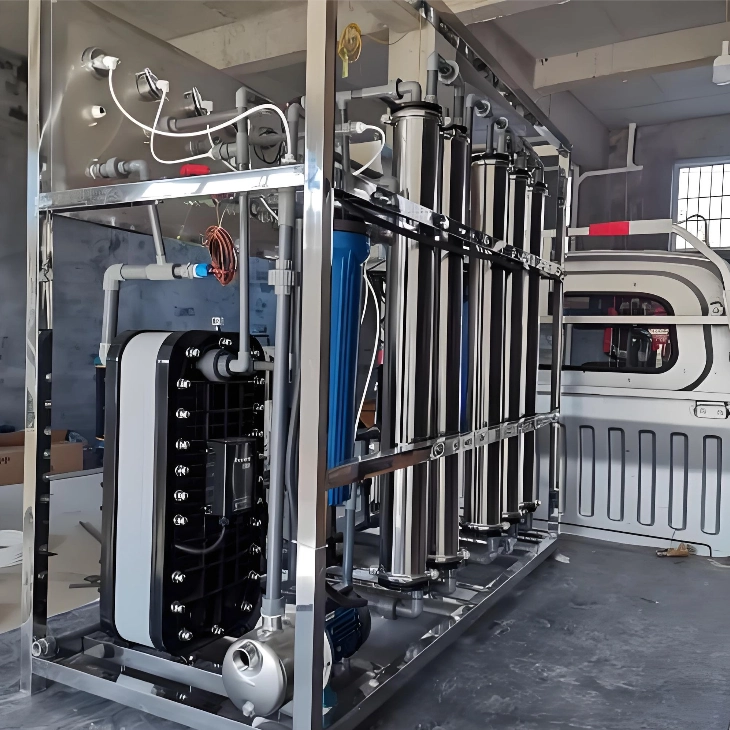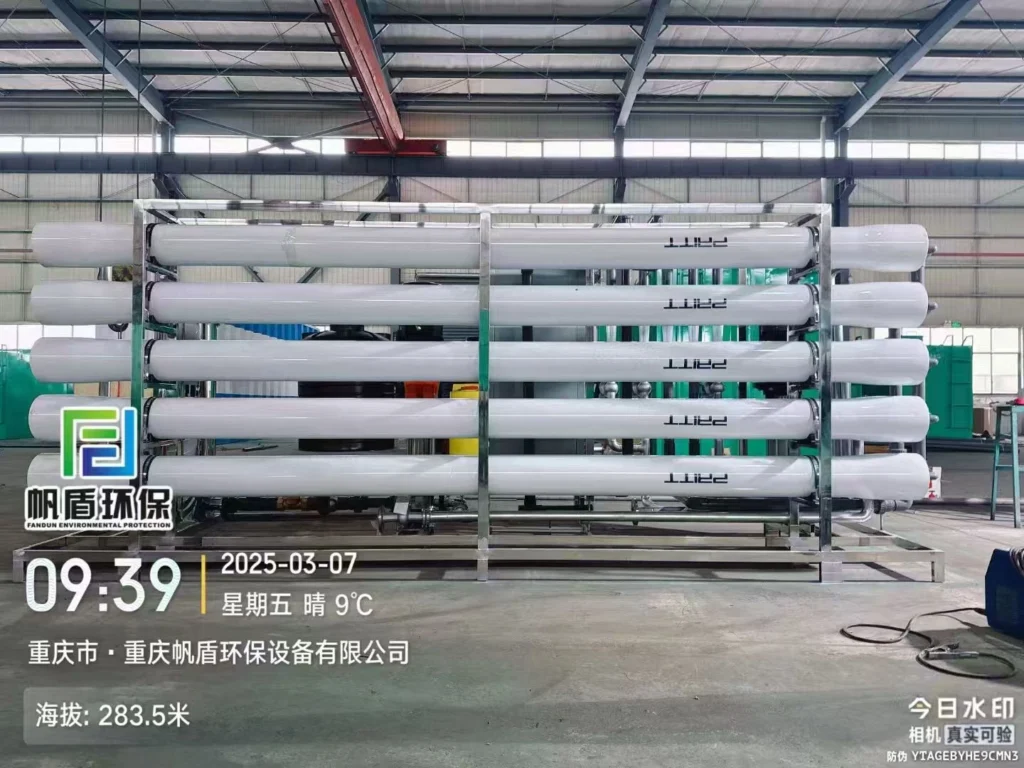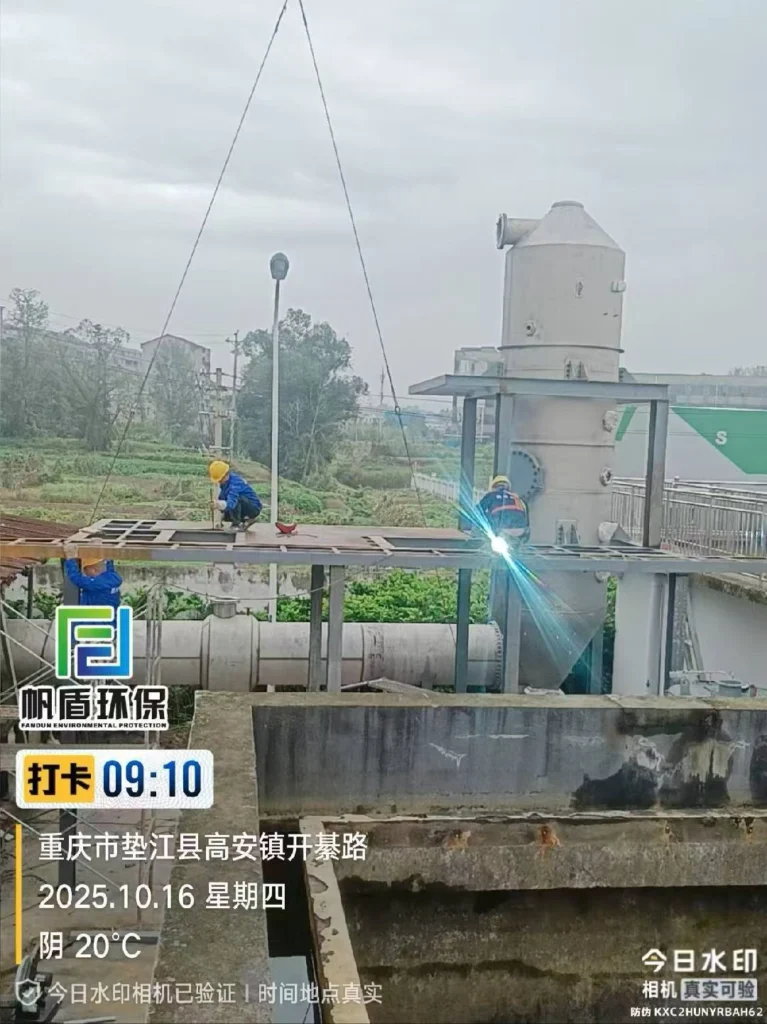
Hospital wastewater treatment equipment
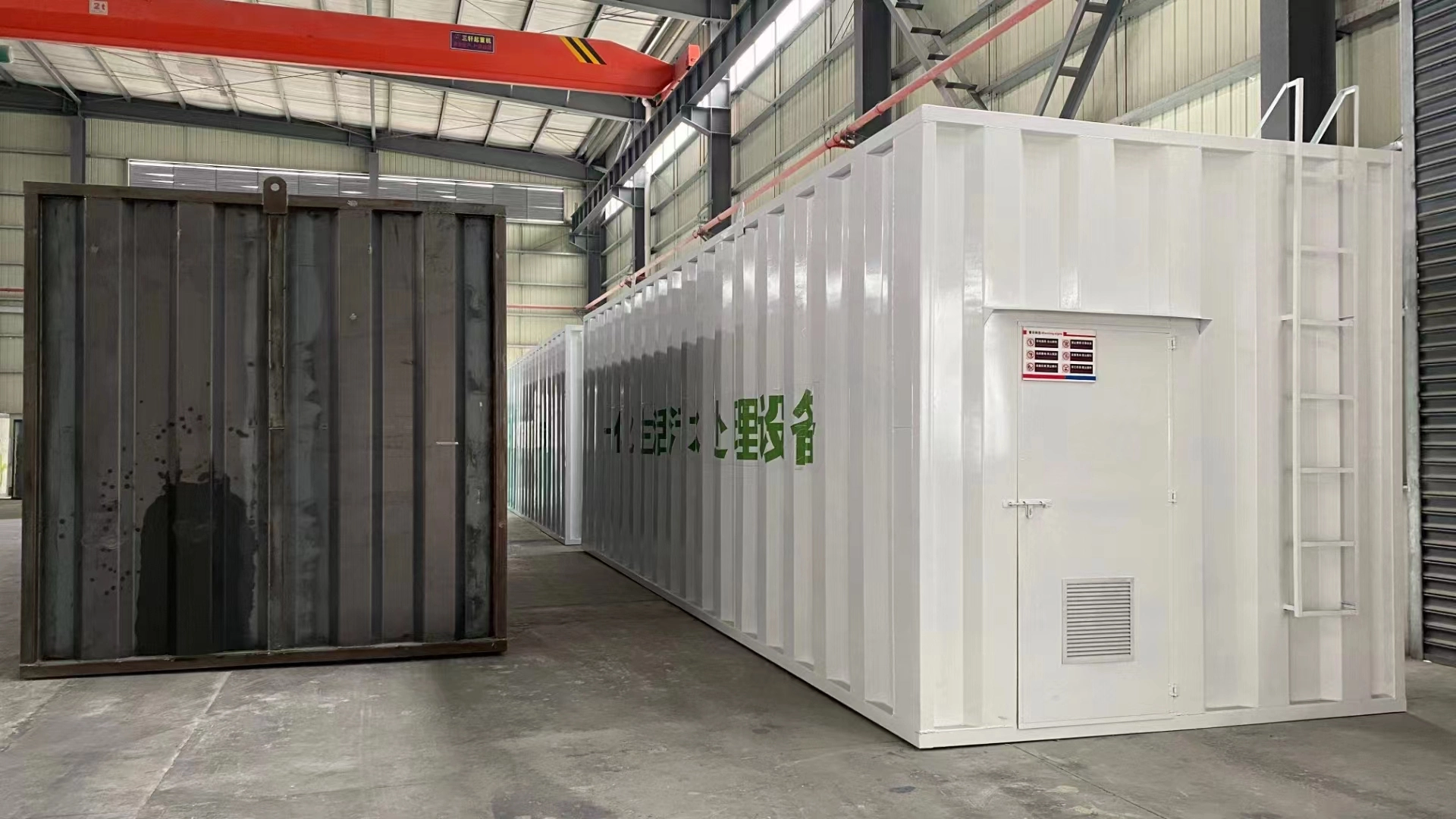
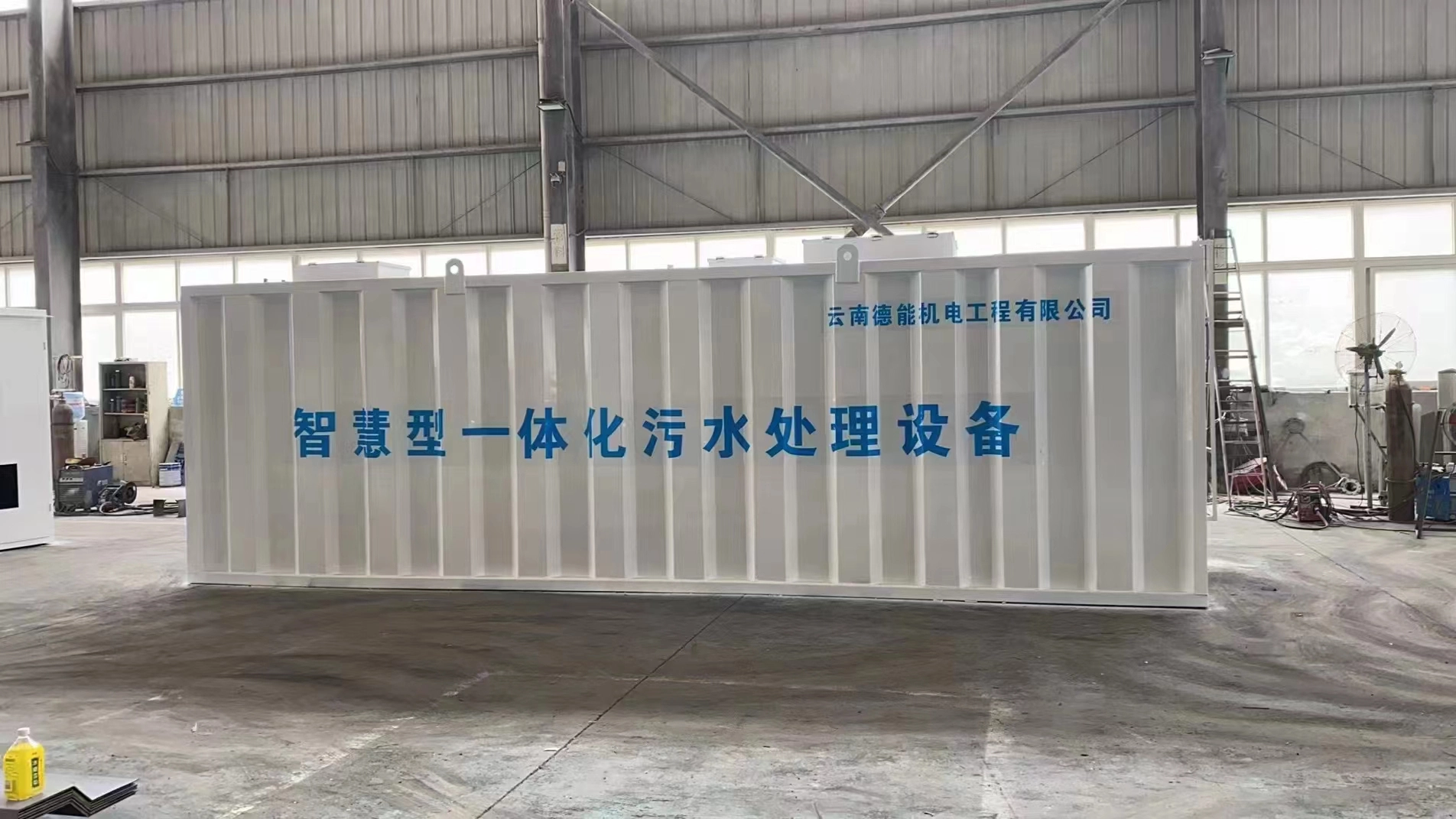
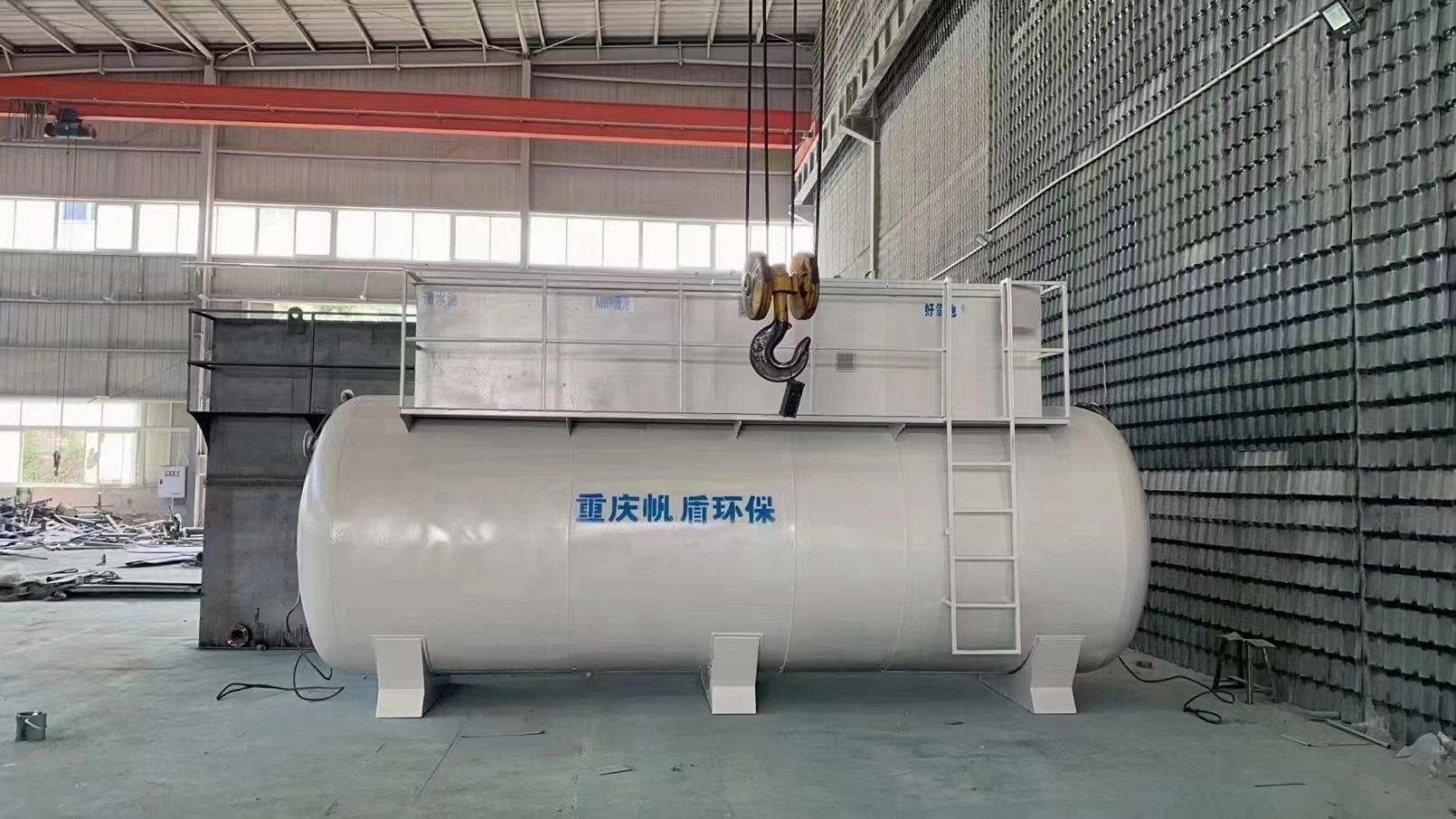
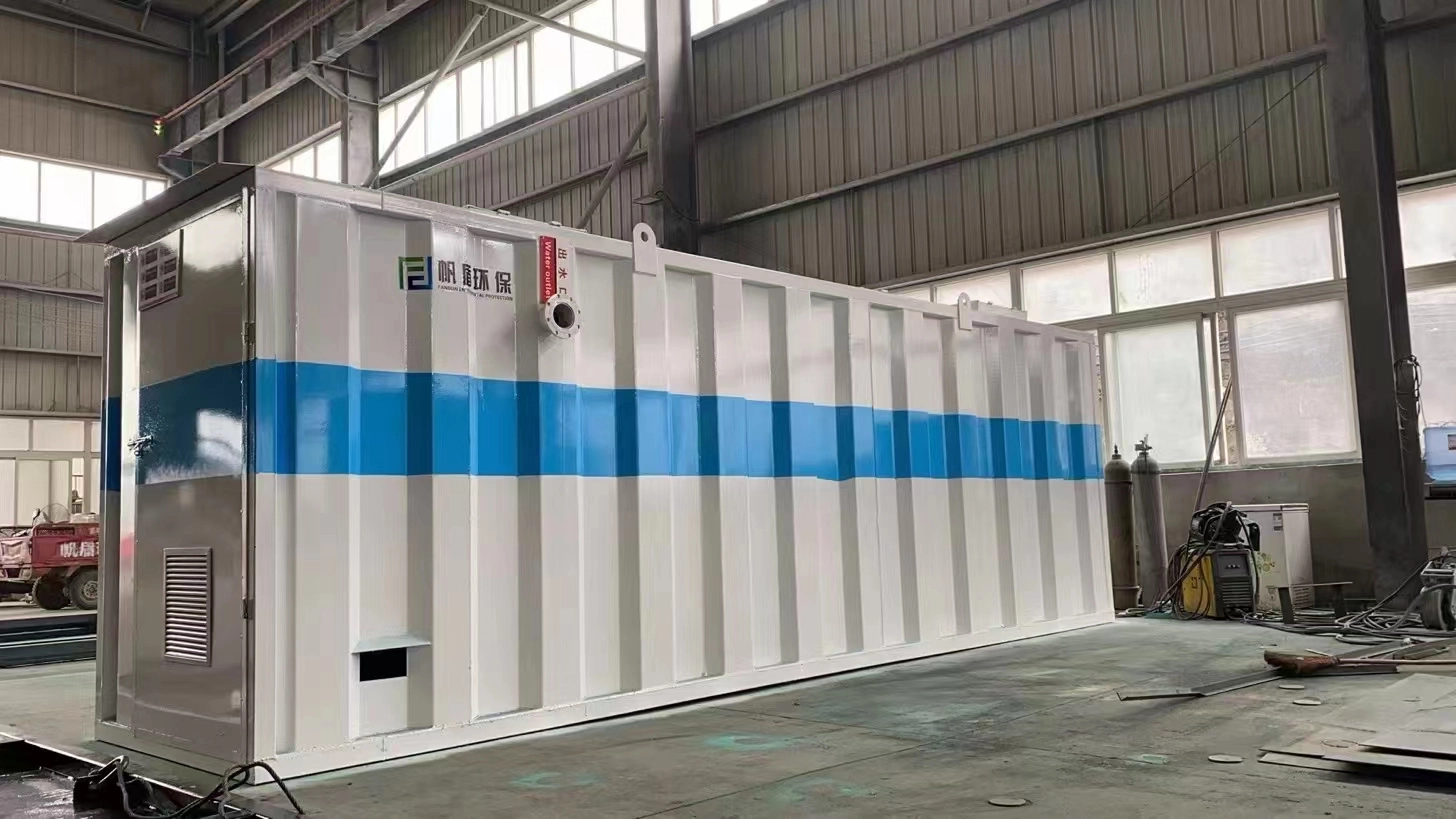
Product Introduction
The main characteristics of hospital wastewater treatment
At present, in China, there are mainly two methods for hospital wastewater treatment: First, using disinfectants for disinfection and then discharging it into the municipal sewer system. Second, conducting biochemical treatment on the wastewater and discharging it into natural water bodies after disinfection. The main characteristics of these two wastewater treatment methods are as follows: Firstly, the concentration of pathogenic microorganisms is relatively high, and medical institutions cannot meet the qualified standards for wastewater disinfection. Especially after most hospitals have undergone scale reduction and grade downgrade, the improvement levels of their disinfection methods, wastewater treatment equipment, and self-testing have also shown a decreasing trend. Secondly, chlorine is mainly used in the disinfection process. In most regions of China, the general target is to adopt primary or secondary treatment followed by chlorine disinfection, hypochlorite disinfectant, or the use of liquid chlorine or chlorine dioxide for disinfection. Thirdly, the dosage of disinfectants is often excessive or insufficient. Some hospitals use excessive disinfectants to ensure thorough sterilization, while others, in order to save costs, have an insufficient dosage, failing to achieve good disinfection effects.
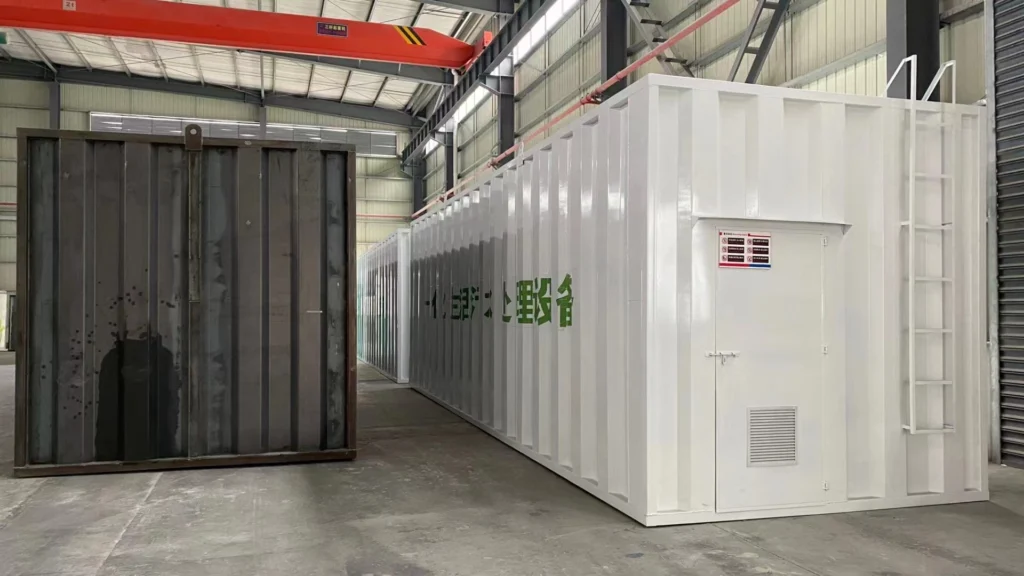
Analysis of Limitations of Traditional Chlorination Disinfection Process
The commonly used sewage disinfection methods in hospitals mainly include chemical methods and physical methods. Among them, the chlorination disinfection method using chlorine is widely applied in chemical methods. Disinfectants such as liquid chlorine, chlorine dioxide, bleaching powder, and sodium hypochlorite are used. The reason for using the chlorination disinfection process in hospitals is that it is simple to operate and can achieve good results in killing bacteria and other pathogens.
2.1 The effect of virus elimination is poor
Through analysis of the application of traditional chlorine addition disinfection process in the disinfection of hospital wastewater, it was found that this process has an extremely high removal rate for many bacteria such as coliform bacteria and Salmonella, but the amount of viruses removed is at an extremely low level. Especially when eliminating enteroviruses, since they have a stronger tolerance than intestinal pathogenic bacteria or coliform bacteria, after treatment with sodium hypochlorite, a certain amount of viruses can still be detected in the discharged wastewater. Therefore, the absence of negative results for intestinal pathogenic bacteria or coliform bacteria cannot determine whether the risk of virus pathogenicity exists.
2.2 Impact of Disinfection By-products on Ecological Safety
As mentioned earlier, some hospitals often add excessive disinfectants to ensure a good disinfection effect. When the residual chlorine is too high, the content of halogenated hydrocarbons will gradually increase, causing a sudden change and posing a threat to human health and the ecological environment. For example, excessive use of sodium hypochlorite during disinfection may generate AOX, which will have persistent and potential toxic effects on water sources and aquatic organisms.
2.3 Affected Significantly by the Quality of Sewage Water
The sewage contains numerous organic and inorganic pollutants. When disinfecting it, a large amount of disinfectants are required, and the contact between pathogenic microorganisms and the disinfectants as well as the actual disinfection effect of the disinfectants will be affected to some extent. Moreover, the stability of the sewage treatment system is also one of the important factors affecting the disinfection effect.
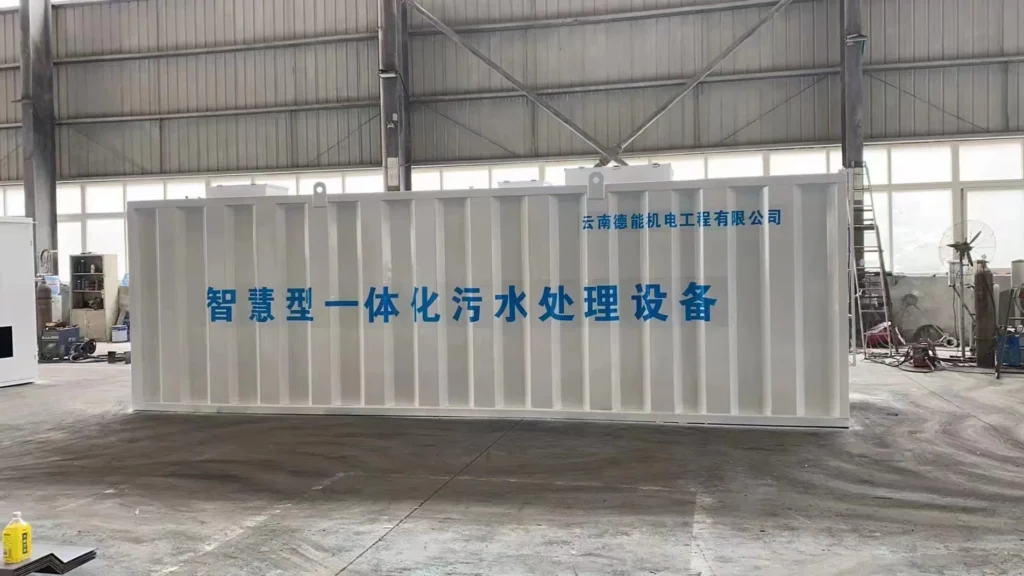
Application of Membrane Bioreactor in Hospital Wastewater Treatment
3.1 Working Principle of Membrane Bioreactor
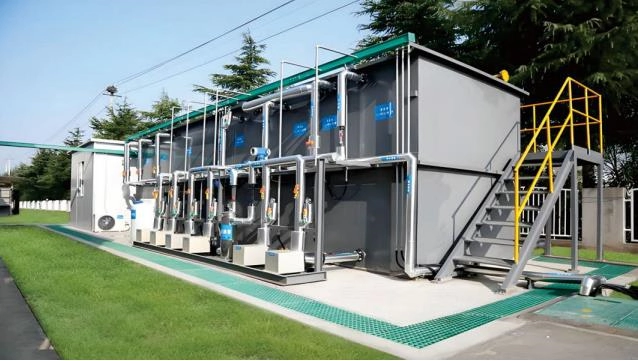
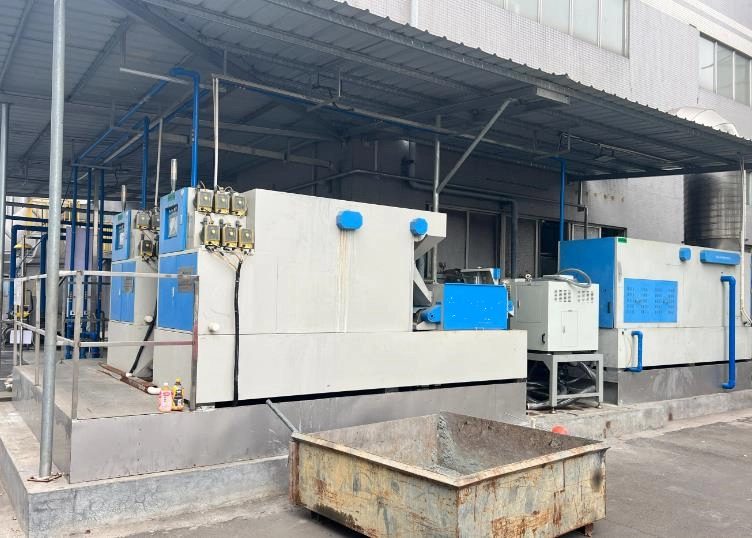
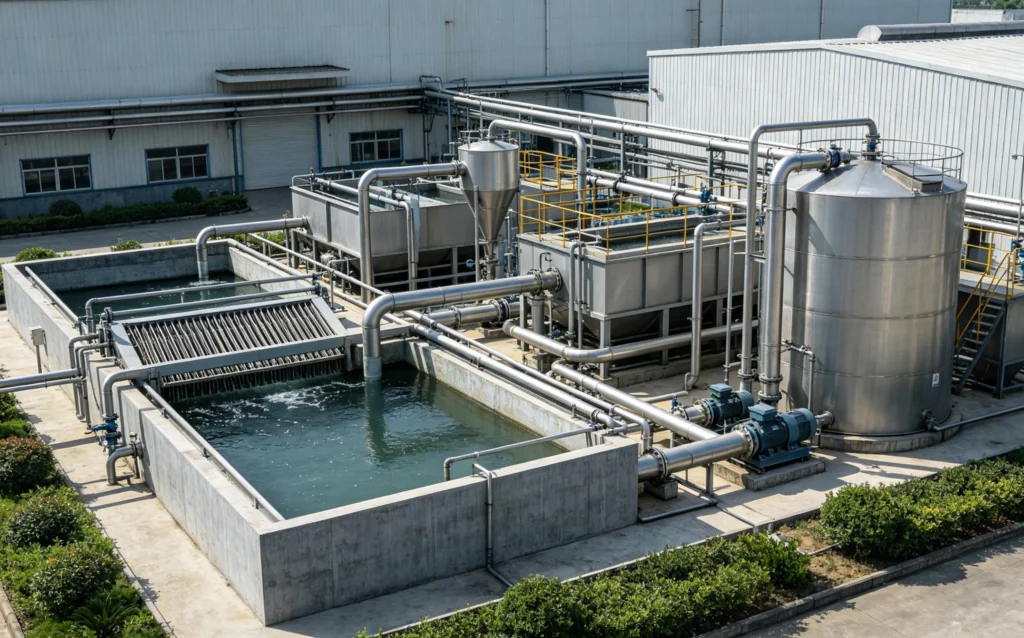
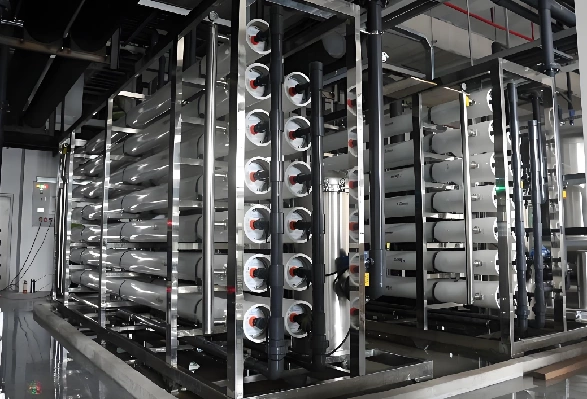
The membrane bioreactor process mainly refers to a technology for wastewater treatment through the combination of biological technology and membrane separation technology. In this process, the membrane separation equipment can retain the large-molecule organic substances and activated sludge in the biochemical reaction tank, and eliminate the secondary sedimentation tank, thereby increasing the concentration of activated sludge, controlling the sludge retention time and hydraulic retention time, and enabling the degradation and reaction of substances that are difficult to degrade in the reactor. Therefore, compared with traditional biological treatment methods, the membrane separation technology adopted in the membrane bioreactor process can better enhance the function of the bioreactor and is one of the new and widely utilized wastewater treatment technologies.
3.2 Application Analysis of MBR in Hospital Wastewater Treatment
3.2.1 Feasibility of Membrane Bioreactor in Hospital Wastewater Treatment
According to the research of many experts and scholars, the membrane bioreactor can degrade organic substances in wastewater and inactivate pathogenic microorganisms. Then, through the membrane, it can filter out water-soluble large-molecular organic substances and suspended solids, so that the turbidity of the effluent can be controlled below 0.2 NTU. Its advantages mainly lie in the reduction of aerosol emissions and sludge production, the reduction of disinfectant usage in subsequent disinfection units, and the decrease of suspended solids in water. Therefore, its application in hospital wastewater treatment will play an important role.
3.2.2 The Effect of Membrane Bioreactor in Hospital Wastewater Treatment
The utilization of membrane bioreactors can achieve more than 90% removal of ammonia nitrogen in water, and it has significant advantages in resisting shock loads. When the operating conditions are relatively complex, compared with the activated sludge method, MBR shows strong ability to remove organic matter, and the effluent quality is relatively good and stable, achieving a complete separation of sludge age and hydraulic retention time. In addition, during the filtration process of the sludge mixture, due to the formation of a biofilm deposition layer under the action of the membrane surface, the membrane pore diameter is reduced, and the MBR process can effectively retain pathogenic microorganisms. Therefore, it is more stable in virus removal, which compensates for the shortcomings of the traditional chlorine disinfection process. In the subsequent disinfection process, compared with the activated sludge treatment process, the MBR process can also greatly save disinfectant, and the goal of microbial inactivation can be achieved within a short contact time. Therefore, it is of great significance for reducing investment, the area occupied by contact equipment, and the related costs of the disinfection process. In terms of reducing the harmfulness of disinfection by-products, MBR can ensure a reduction in the production of halogenated hydrocarbons. If the residual chlorine in the water is exhausted, the content of halogenated hydrocarbons will no longer change. Moreover, the concentrations of total halogenated hydrocarbons, monobromo dichloromethane, trichloromethane, etc. will decrease, reducing their persistent and potential hazards to the environment and human health. Therefore, the utilization of MBR technology can not only reduce the dosage of disinfectants, but also maximize the reduction of the impact of disinfection by-products on human health and the environment. It can be fully utilized in hospital wastewater treatment.
In the application of MBR technology in hospital wastewater treatment, it is necessary to consider the actual characteristics and conditions of hospital wastewater treatment, and correctly grasp its working principle. Fully utilize the advantages of removing wastewater pollutants, saving disinfectant, reducing the cost of disinfection processes, reducing disinfectant residues and disinfection by-products. Only in this way can more benefits be brought to human health and the environment, and promote the healthy and sustainable development of the hospital.