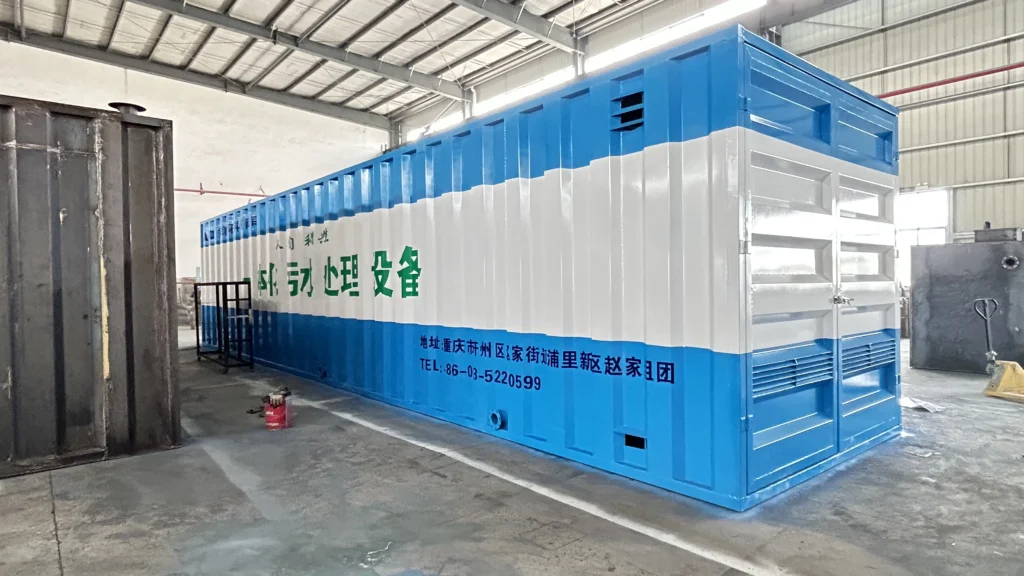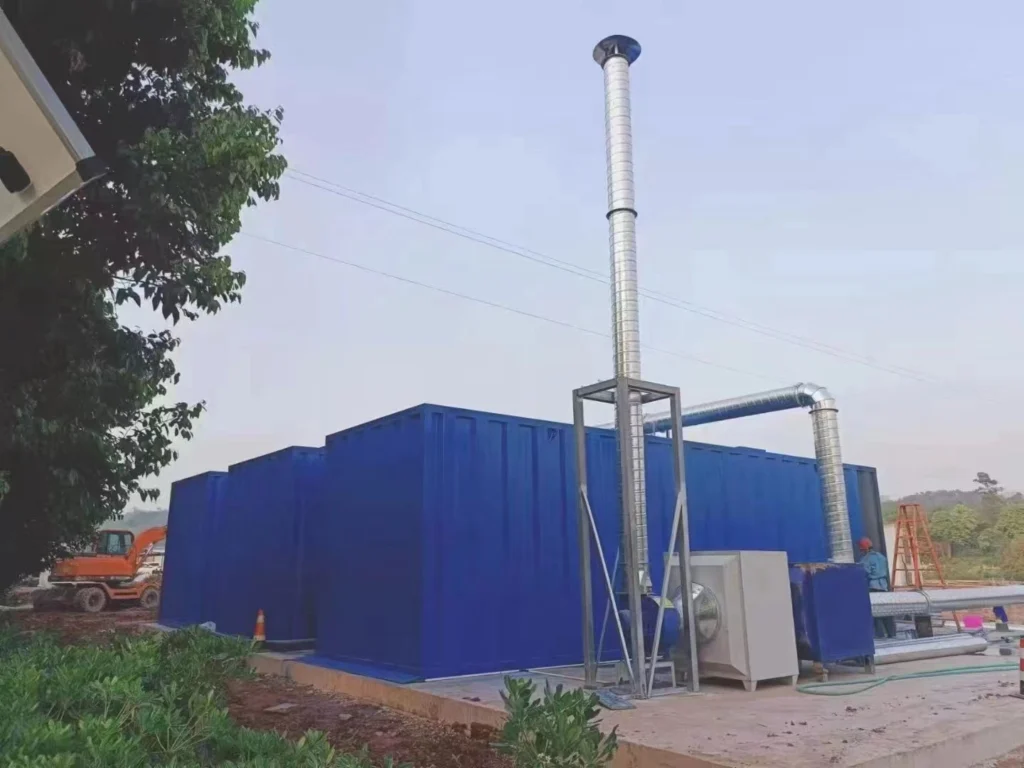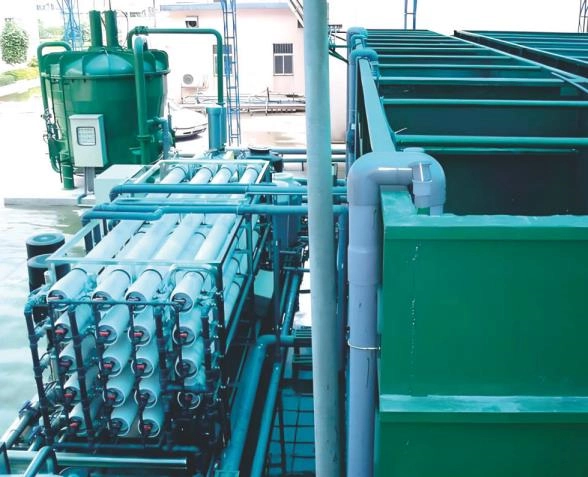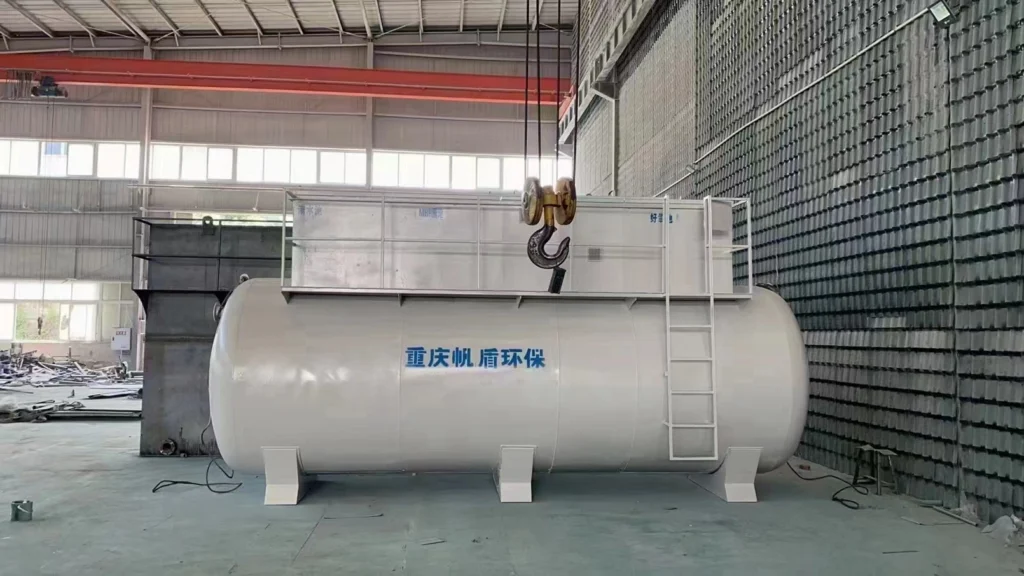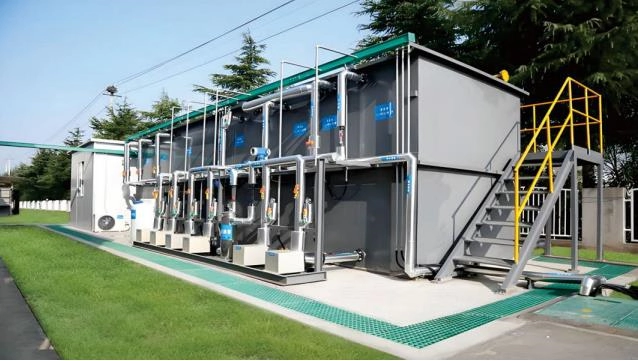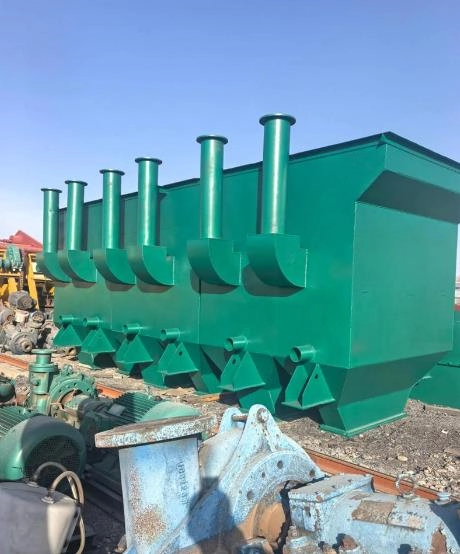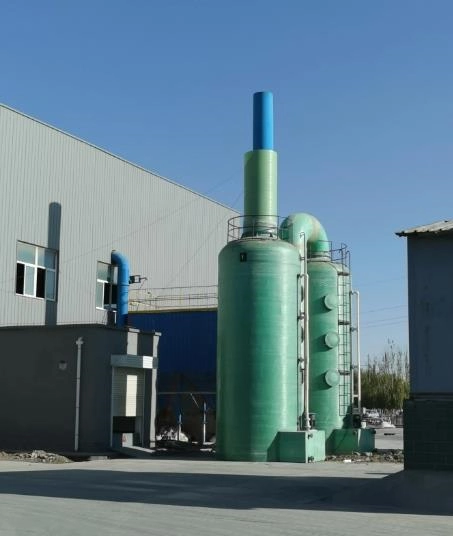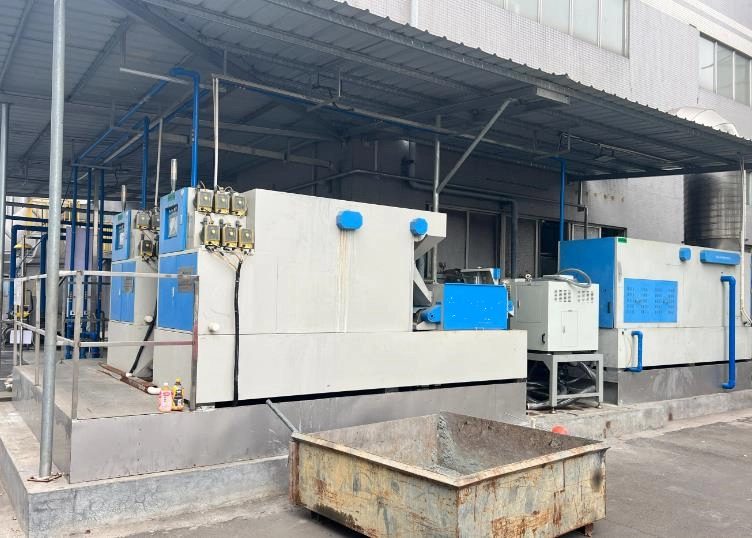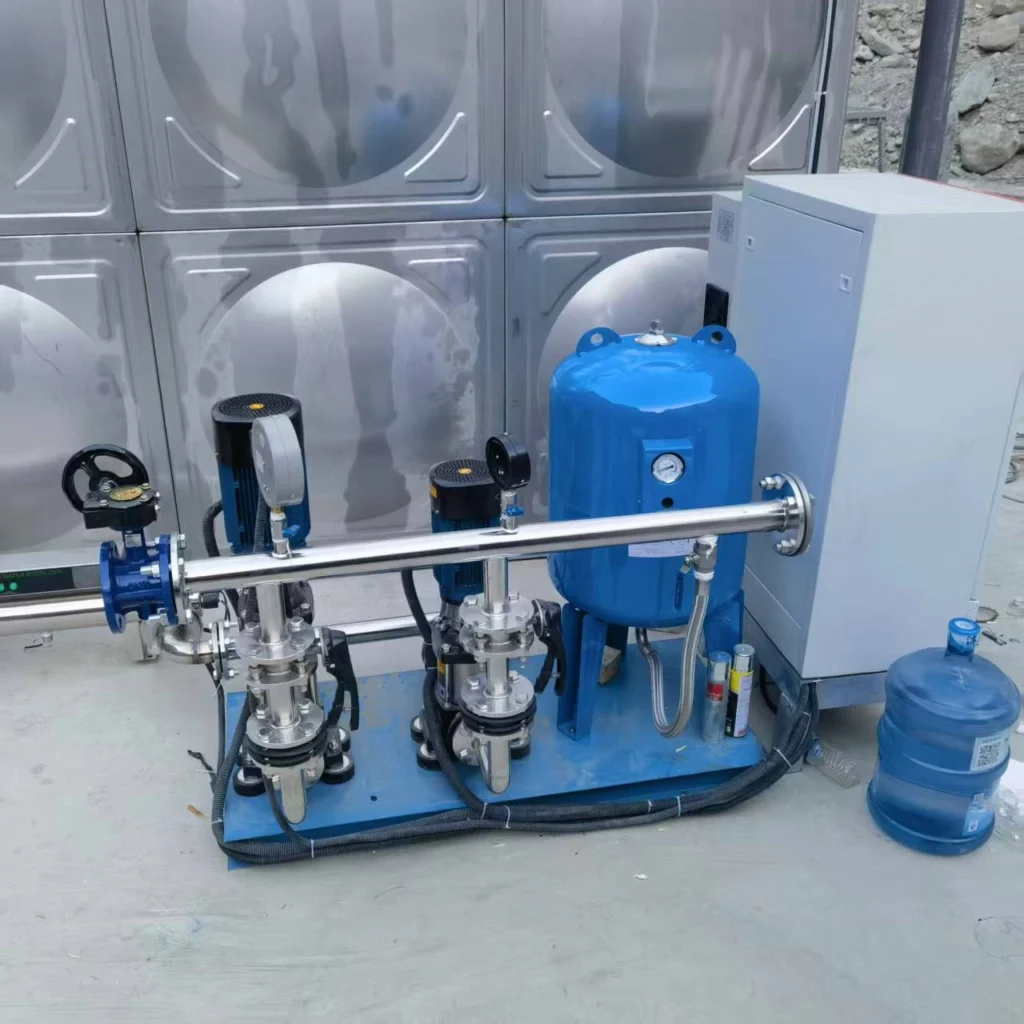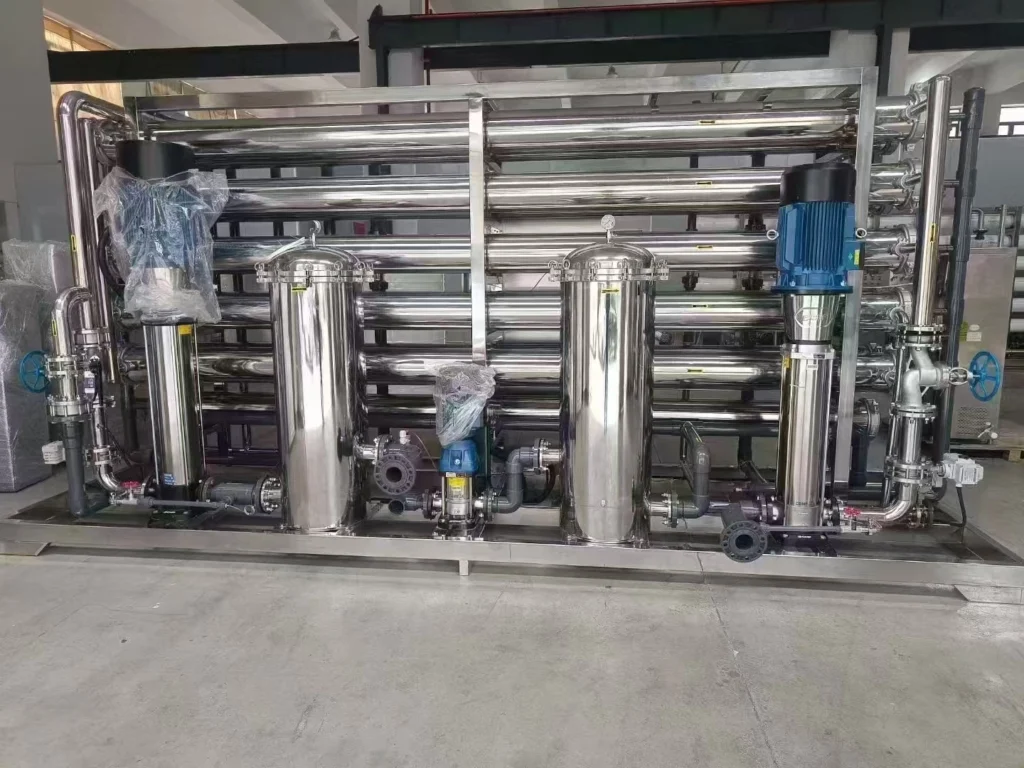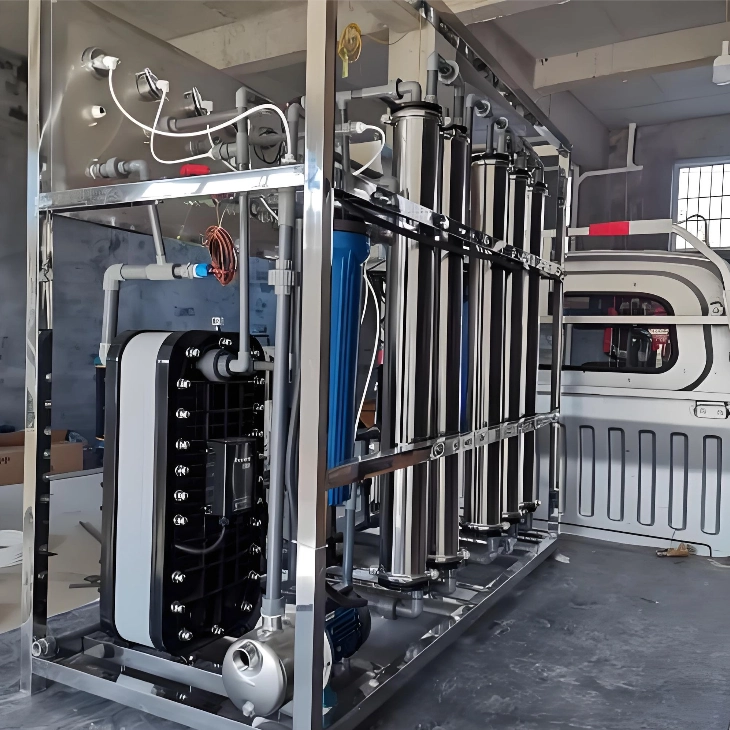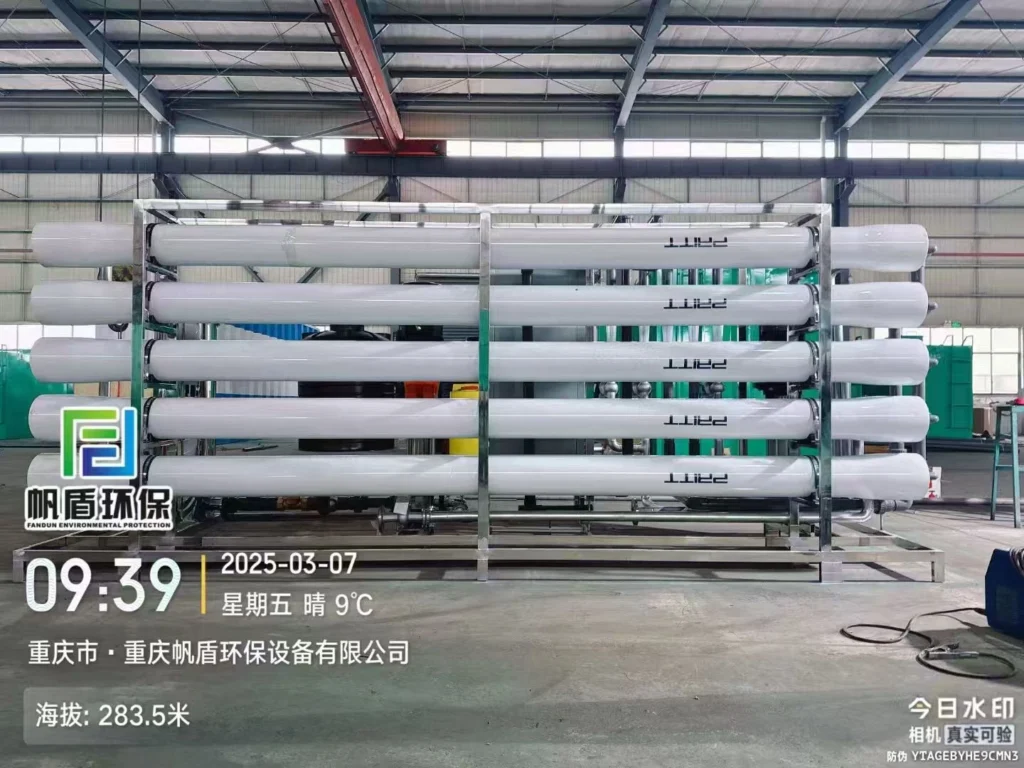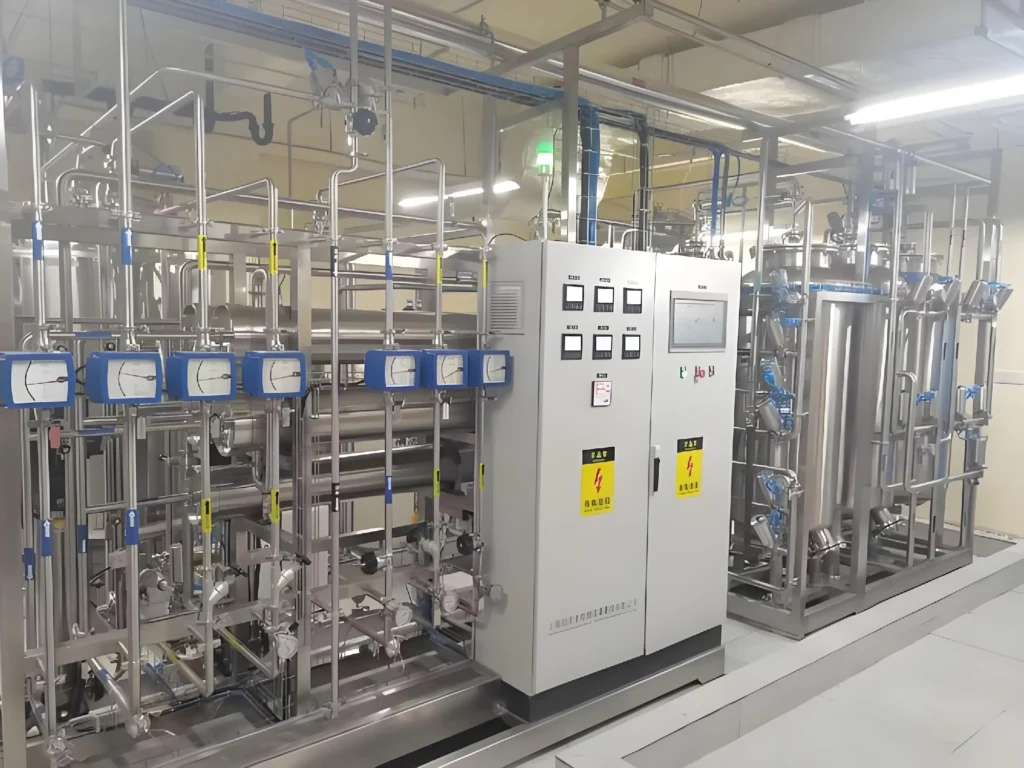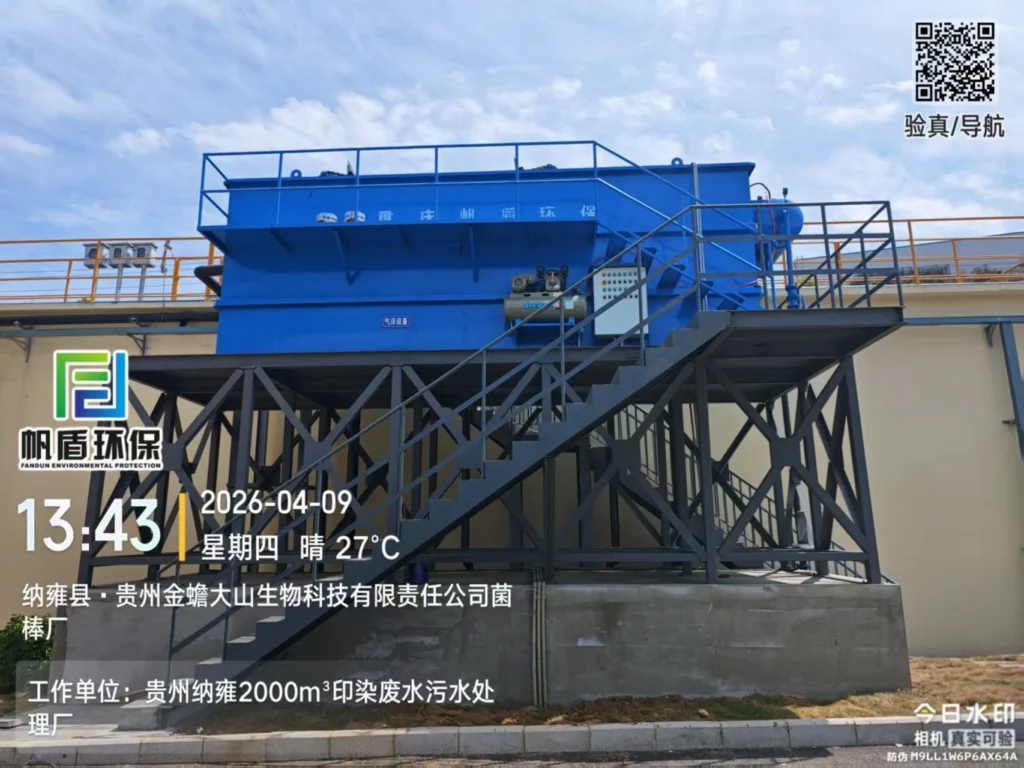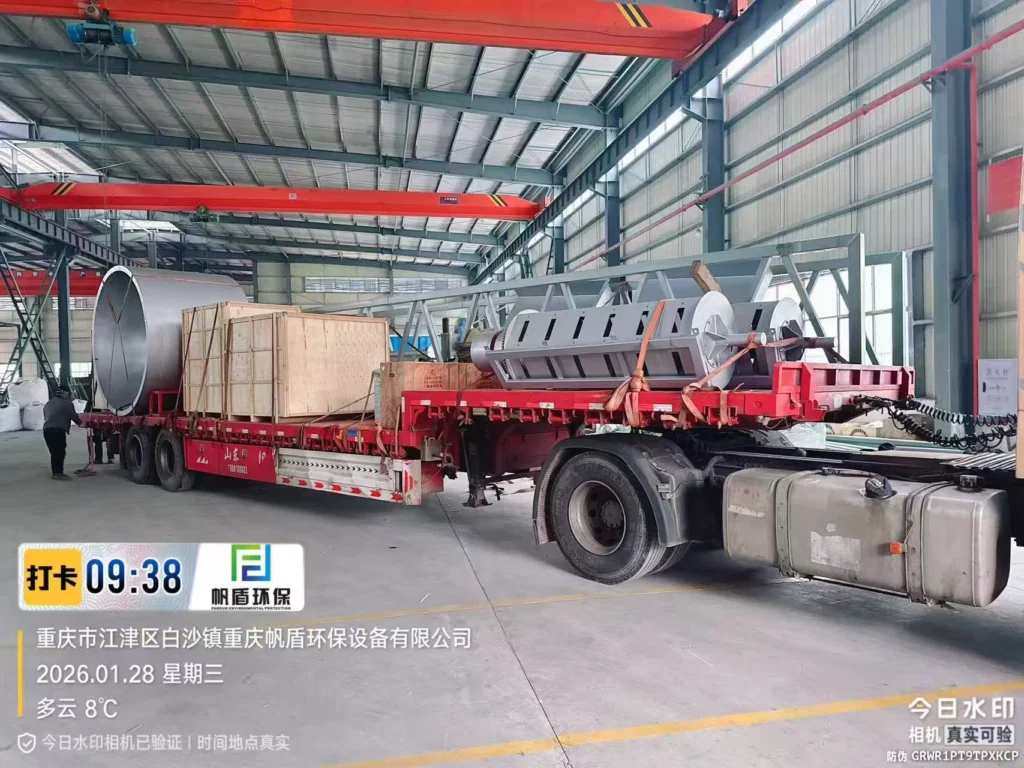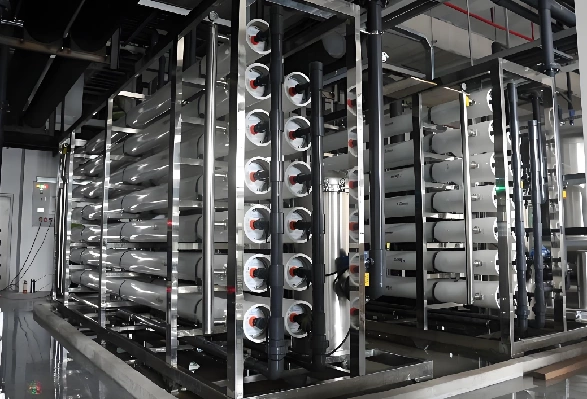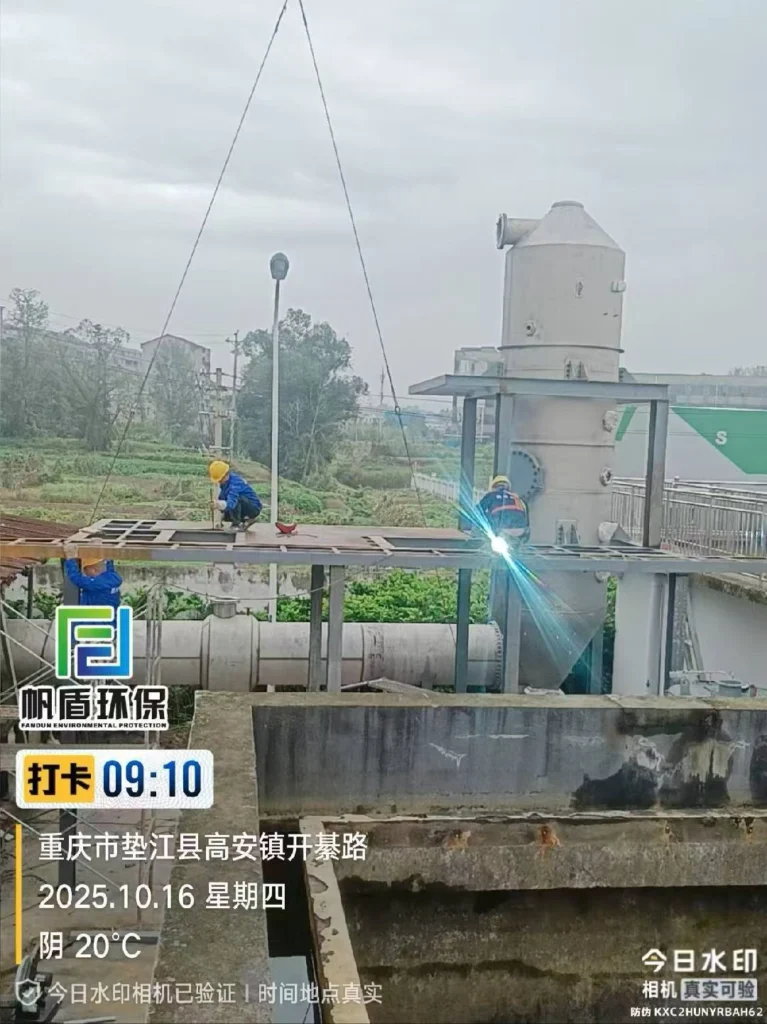
Petrochemical wastewater treatment equipment
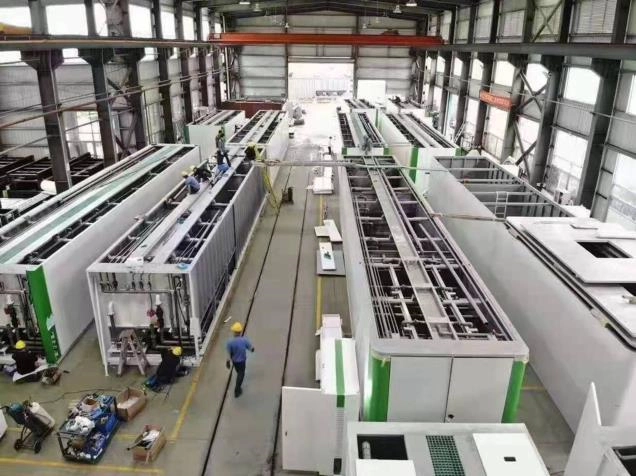
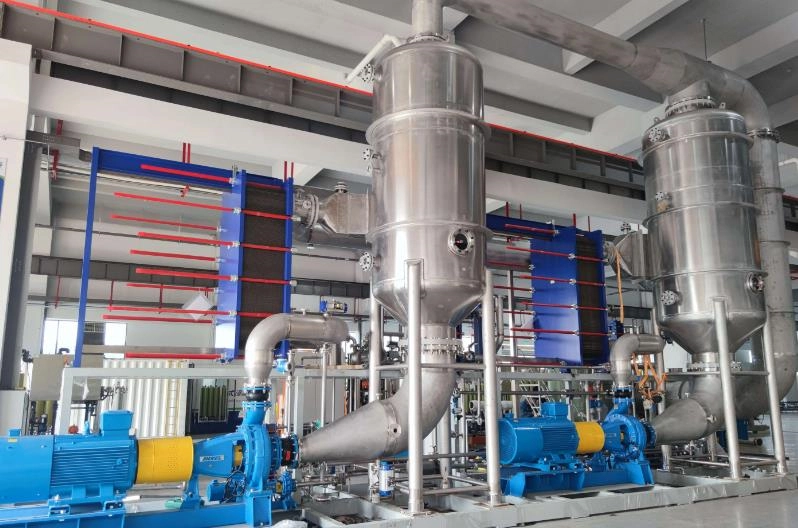
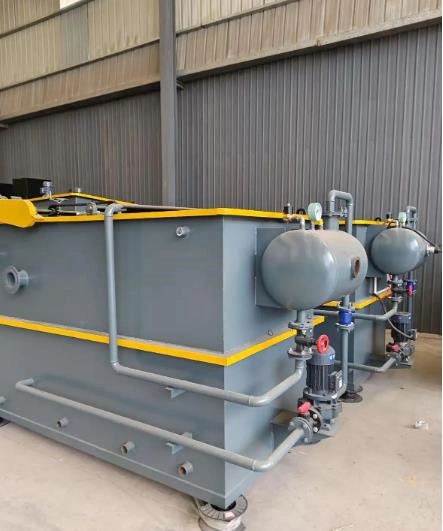
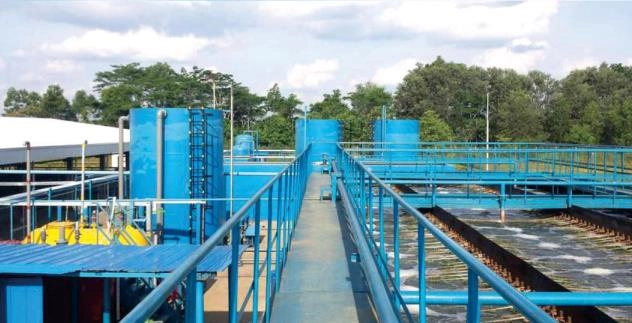
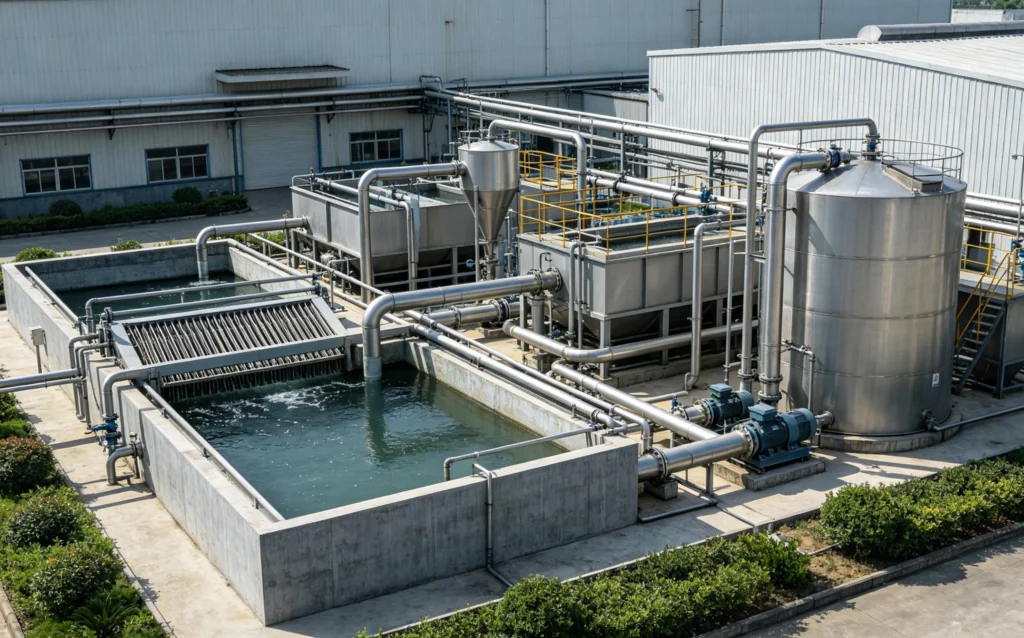
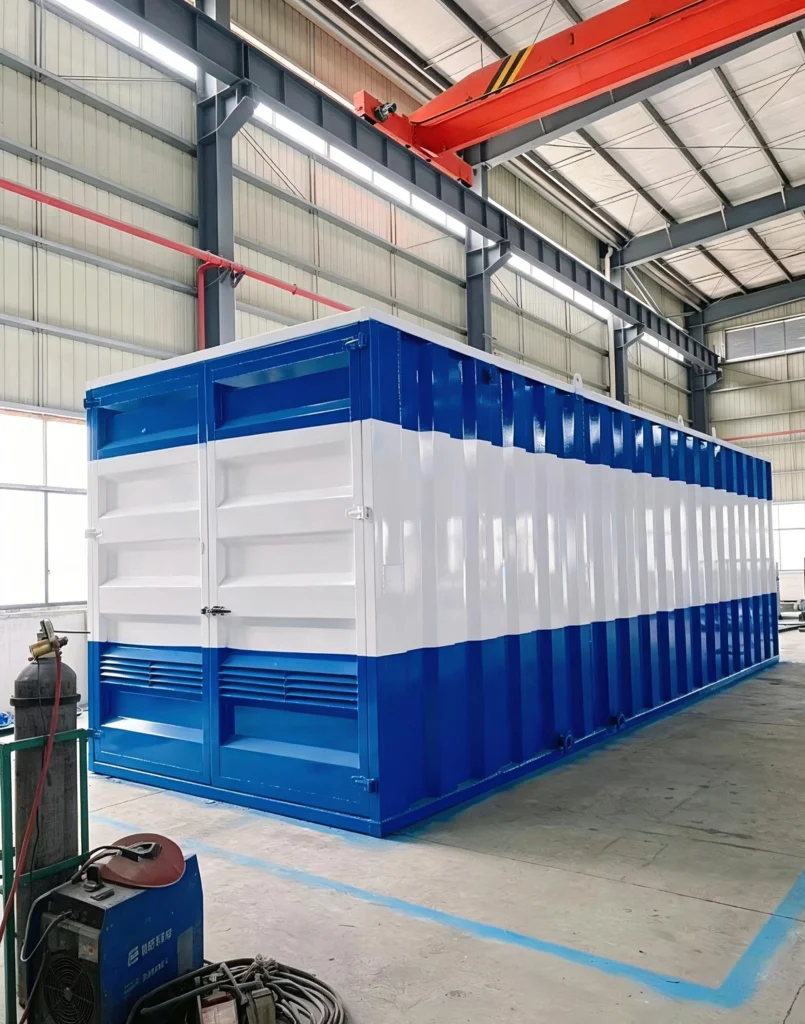
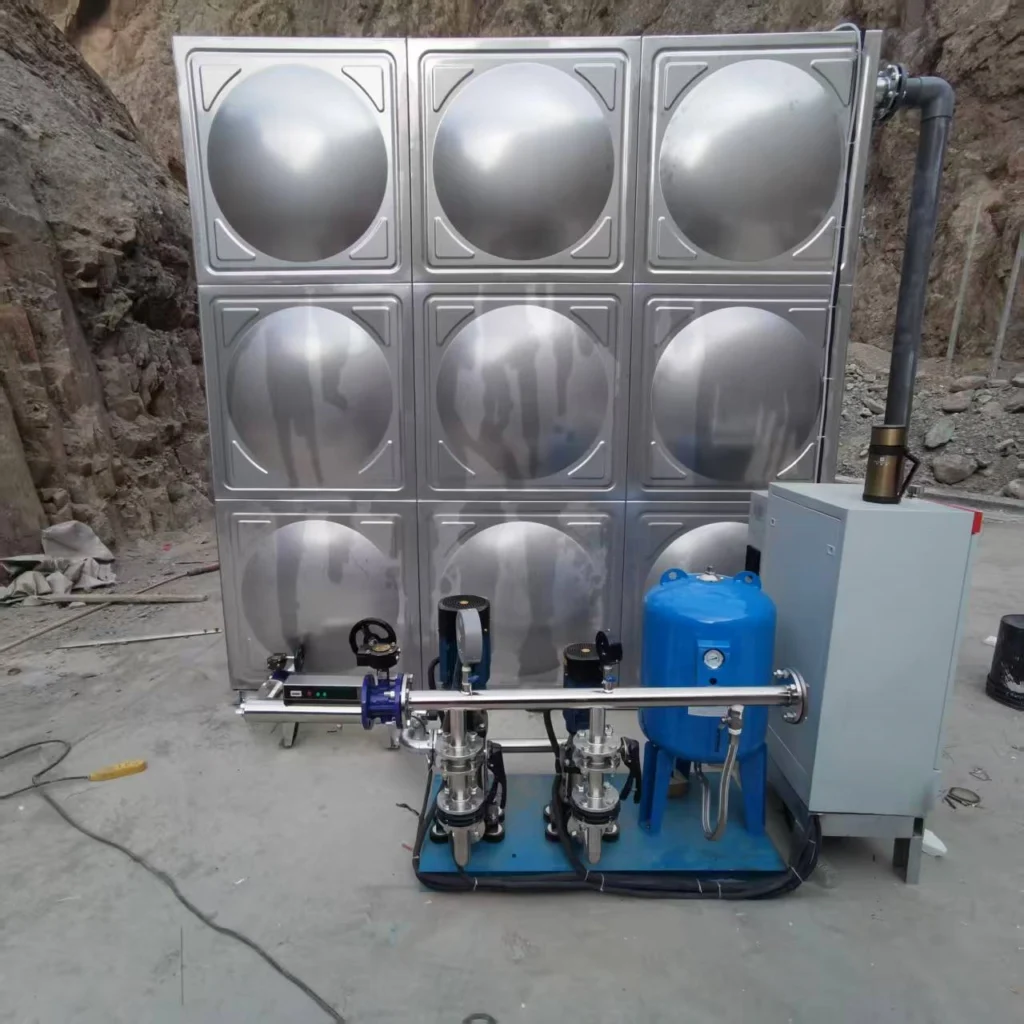
Oil is the driving force for human progress and development. It is a commonly used resource by humans at present, and the chemical products related to oil cover all aspects of human daily life. However, during the oil processing in chemical plants, a large amount of wastewater is produced. Moreover, during the extraction of oil from oil fields, the water content in crude oil is also a major source of wastewater generation. Here, we introduce the petrochemical wastewater treatment equipment for you.
Product Introduction
I. Characteristics of Petrochemical Wastewater Treatment
1. The pollutants in the wastewater are complex. Wastewater generated during petroleum refining, petrochemical production, petrochemical fiber production, fertilizer production, and synthetic rubber production not only contains oil, sulfur, ammonia nitrogen, SS acid, alkali, and salts, but also various organic substances and organic chemical products, such as ethers, ketones, aldehydes, hydrocarbons, organic acids, oil agents, high molecular polymers (polyurethane, fibers, plastics, rubber), and inorganic substances. When production is abnormal or during start-up, shutdown, and maintenance, the content of pollutants in the discharged wastewater varies more significantly, often causing shock loads.
2. The treatment of wastewater is quite challenging. The main pollutants in petrochemical wastewater can generally be classified as hydrocarbons, hydrocarbon compounds, soluble organic and inorganic components. Among them, the soluble inorganic components mainly include hydrogen sulfide, ammonia compounds, and trace heavy metals; the soluble organic components can be mostly biodegraded by microorganisms, but there are also a few that are difficult to be biodegraded or cannot be biodegraded at all, such as crude oil, gasoline, propylene, etc.
II. Characteristics of Petrochemical Wastewater Treatment
1. Large volume with uneven release.
2. High levels of COD, BOD, and SS, with BOD/COD > 0.5. The results of respiration curves and toxicity curves, as well as practical engineering applications, have all confirmed good biodegradability.
3. Contains disinfectants and sterilizers.
4. The incoming water from the thawing process has a very low temperature.
5. The water contains proteins and is prone to foaming. Based on the above water quality characteristics, this wastewater is suitable for adopting a process technology that mainly involves biochemical treatment. However, it is necessary to alleviate the adverse factors that may harm and inhibit microorganisms (such as the influence of disinfectants, the impact of low temperatures in winter, and the influence of foam on operation management, etc.). Otherwise, the biochemical process will not be able to proceed smoothly.
III. Fan Dun Environmental Protection Advantages of the Zero Discharge Equipment for Petrochemical Wastewater
1. High recovery rate and high quality of produced water.
2. Low load for evaporation/concentration process.
3. Stable operation during shutdown.
4. Capable of withstanding fluctuations in influent water quality.
5. Effective control of organic fouling and physical fouling.
6. Effective control of calcium-silicon scaling and metal precipitation.
7. Low energy consumption of the wastewater zero-discharge system.