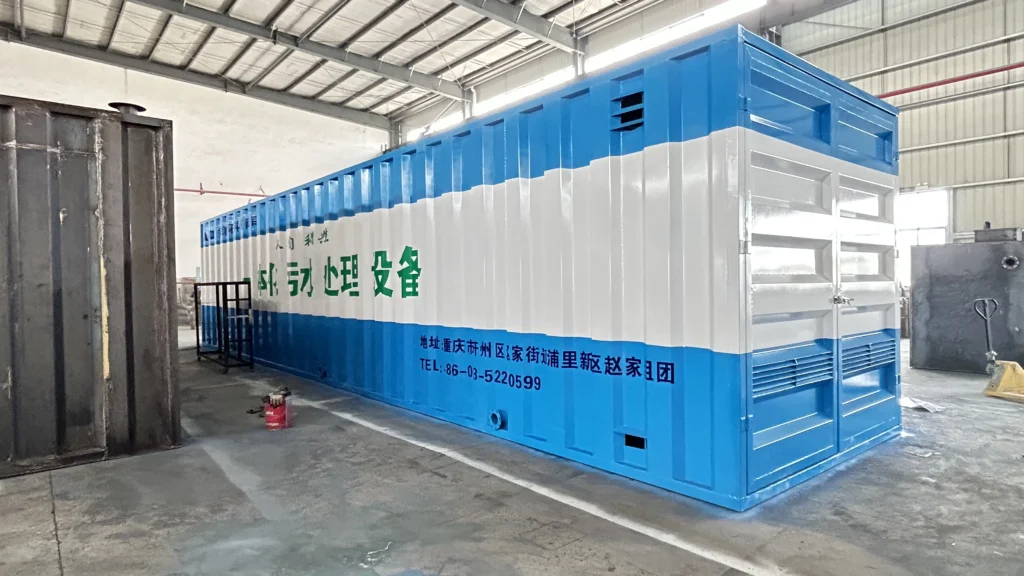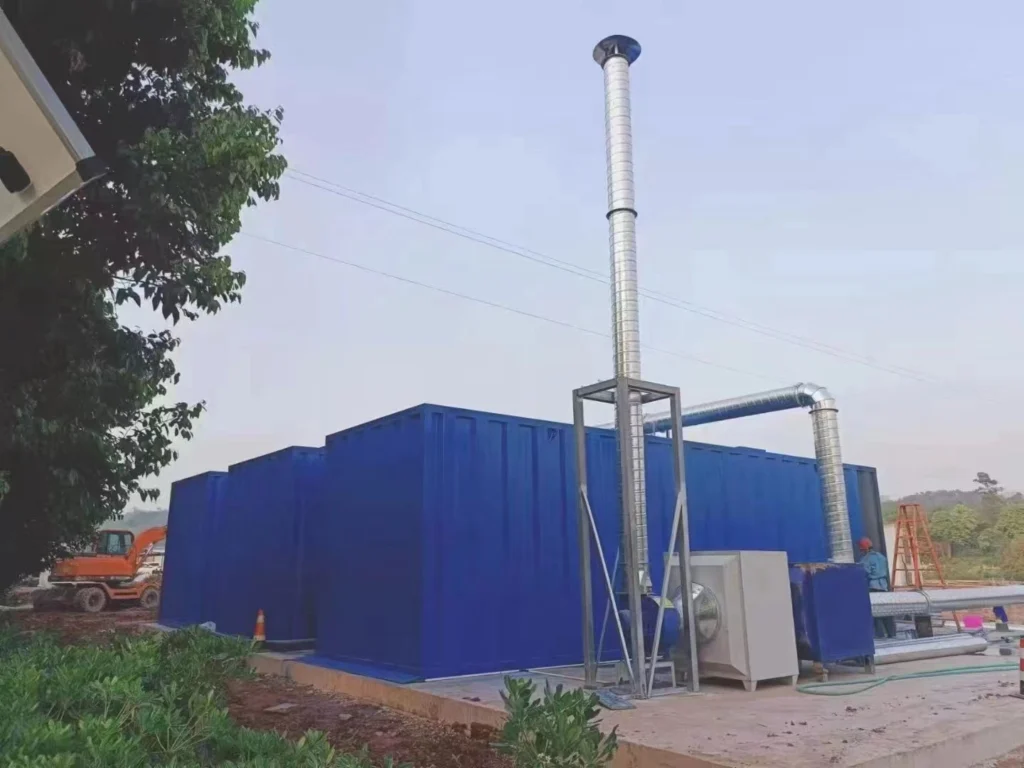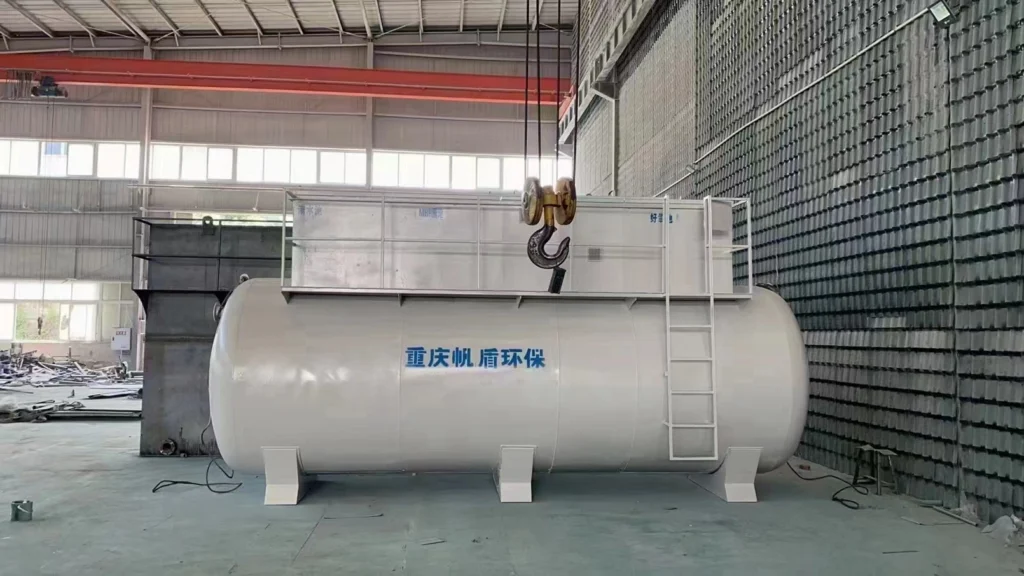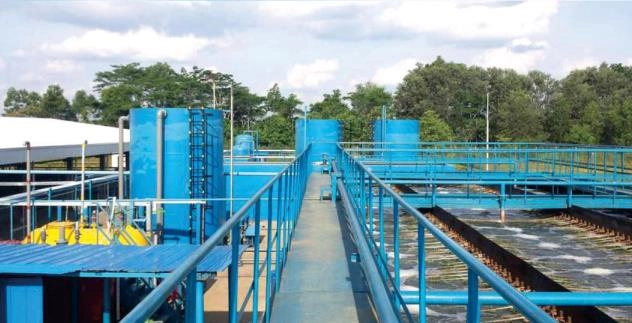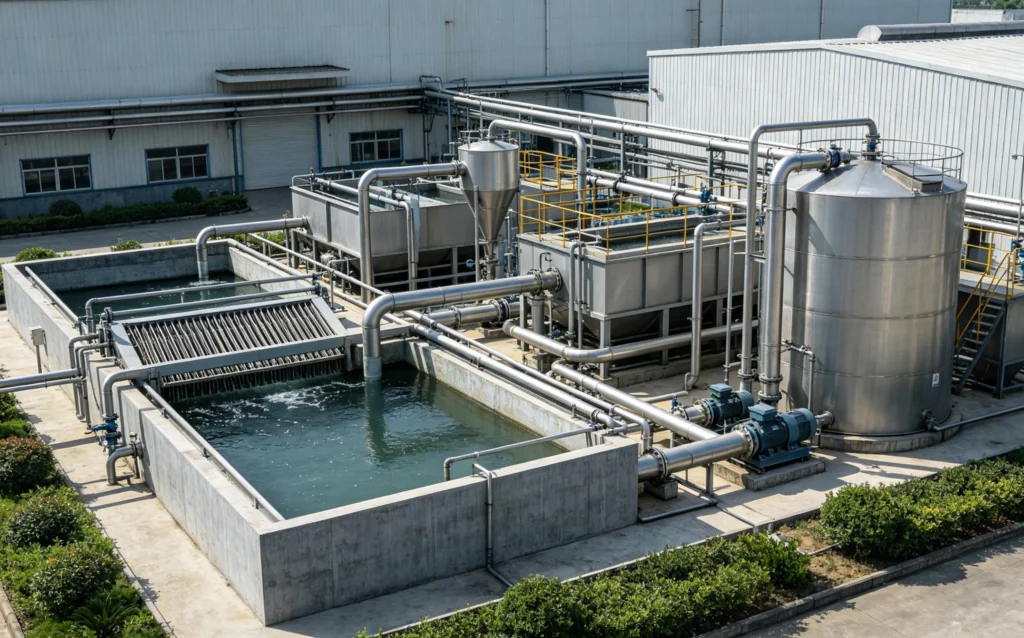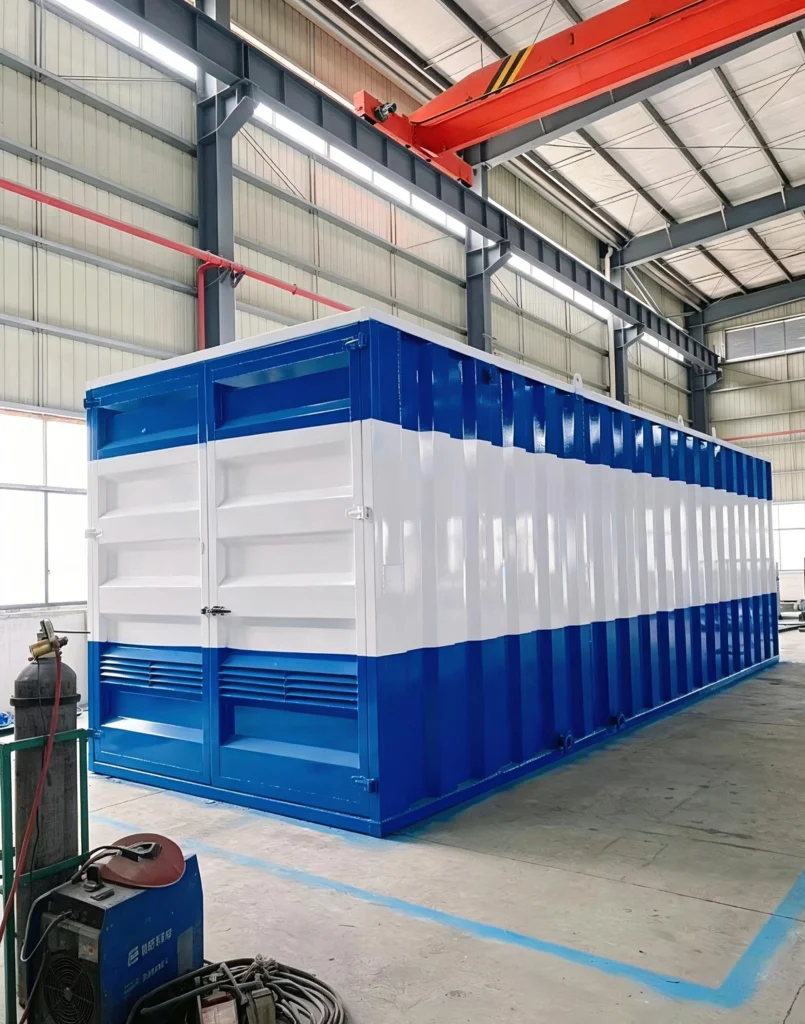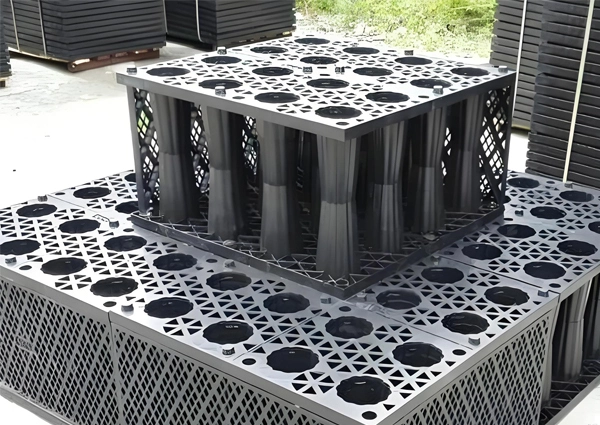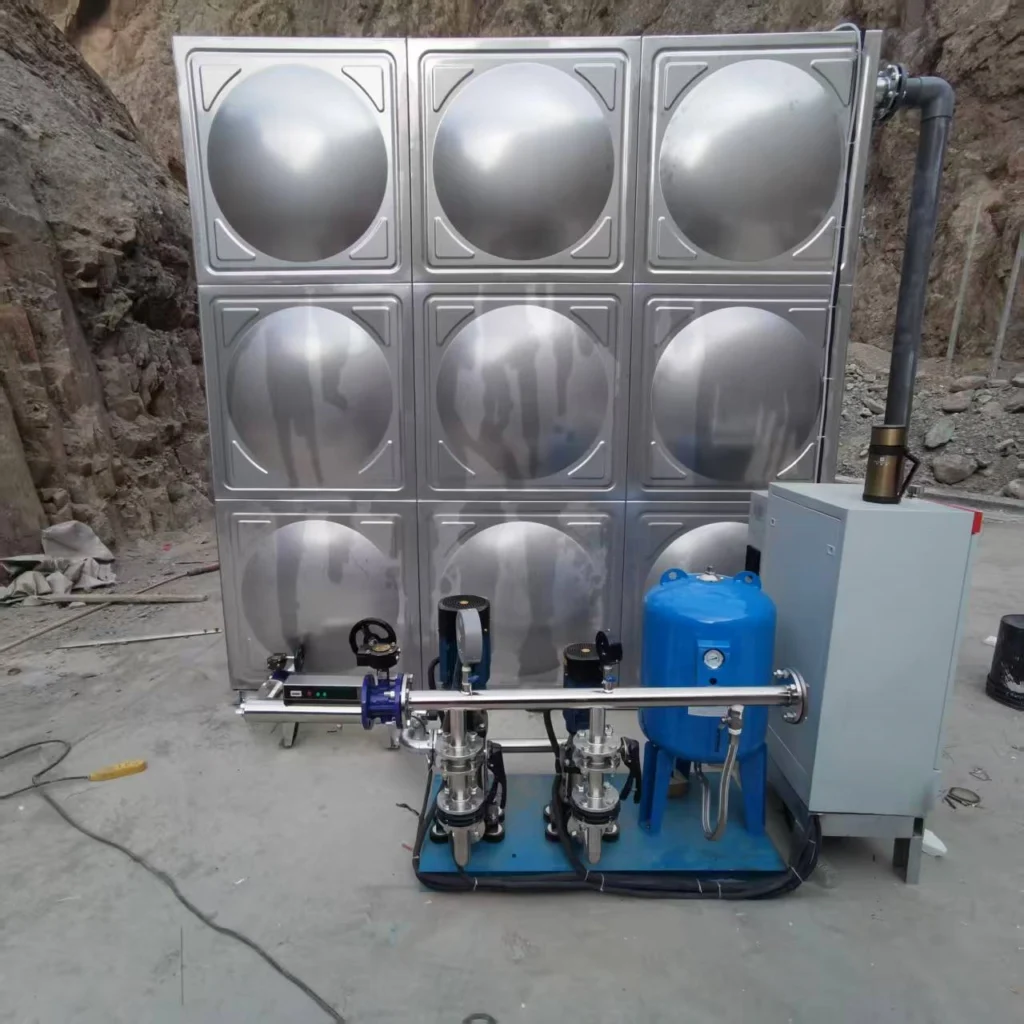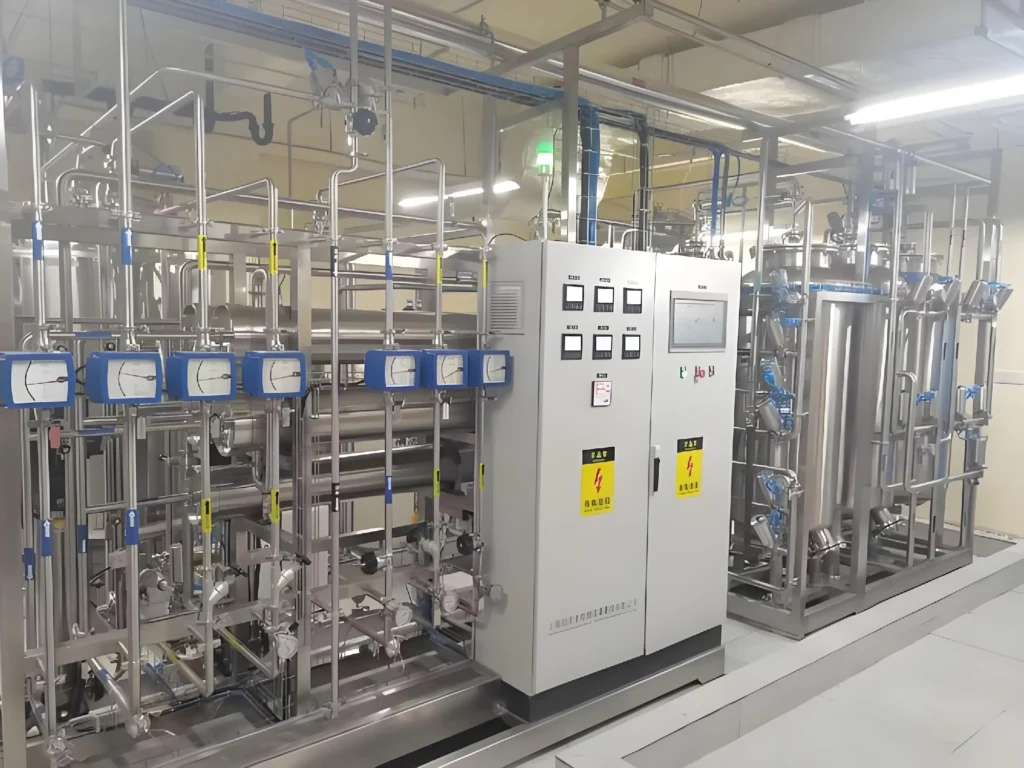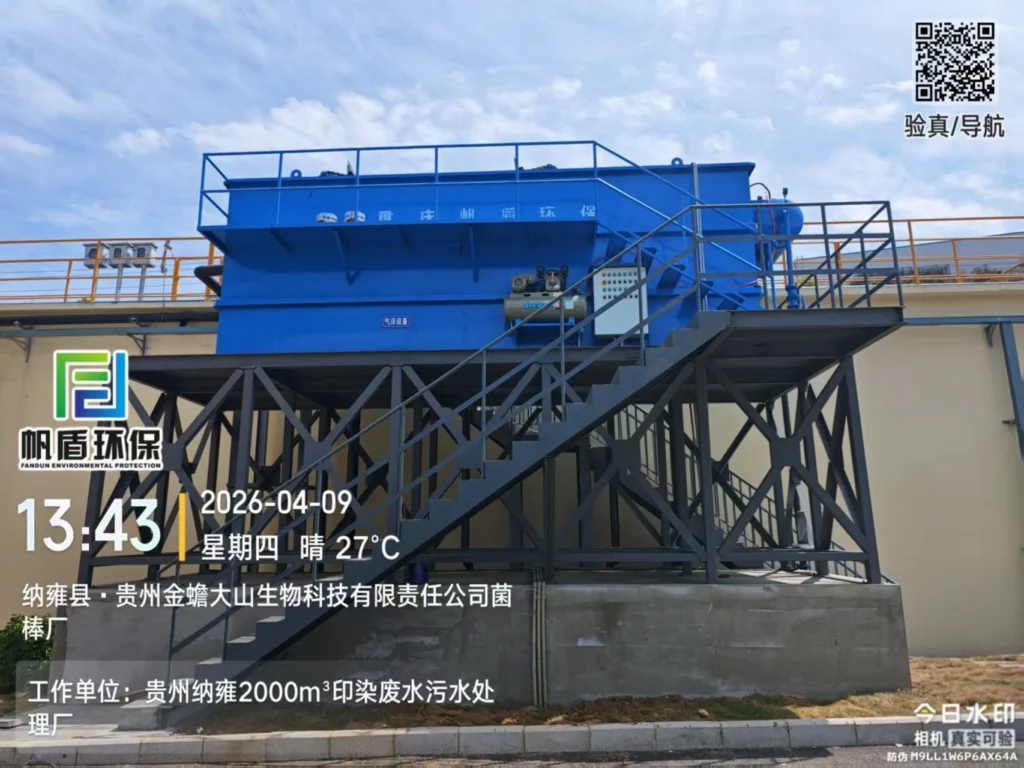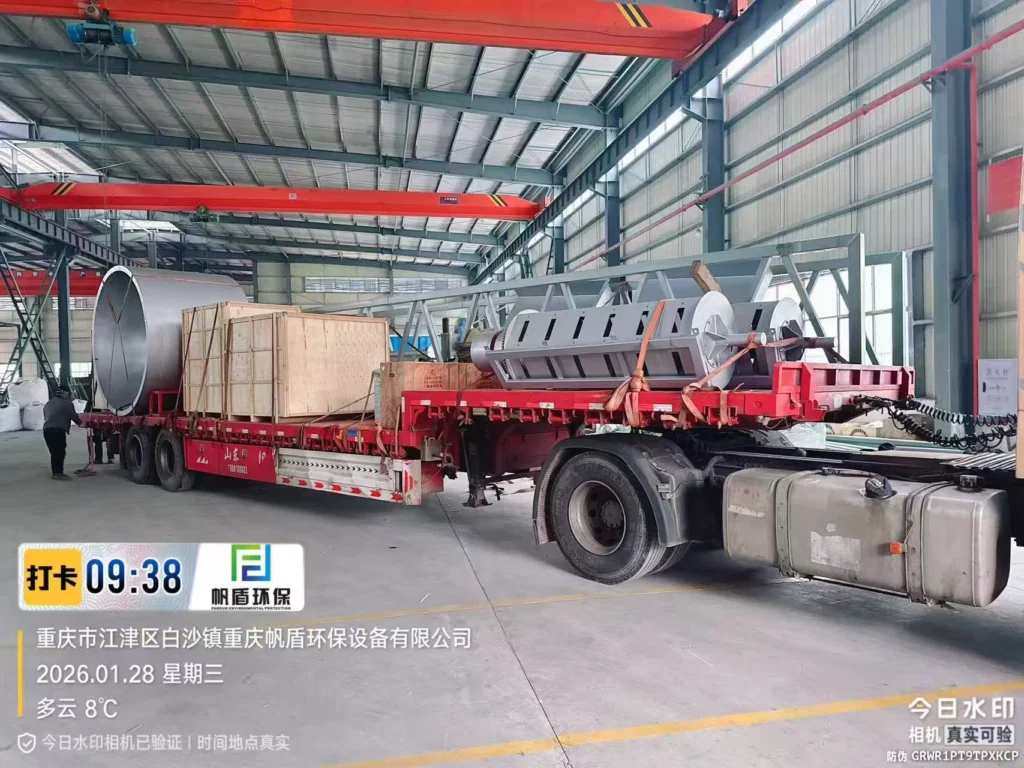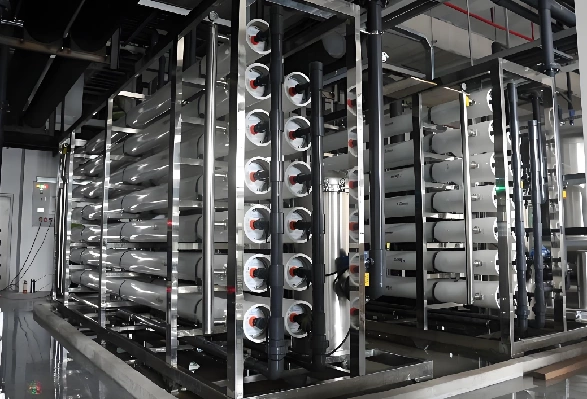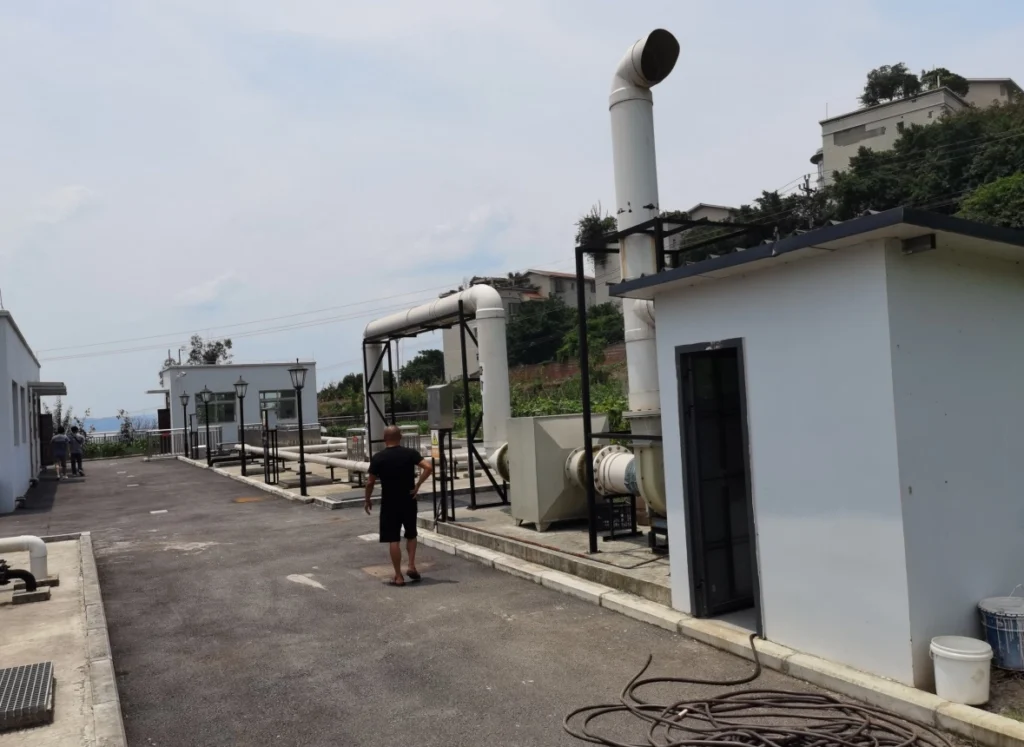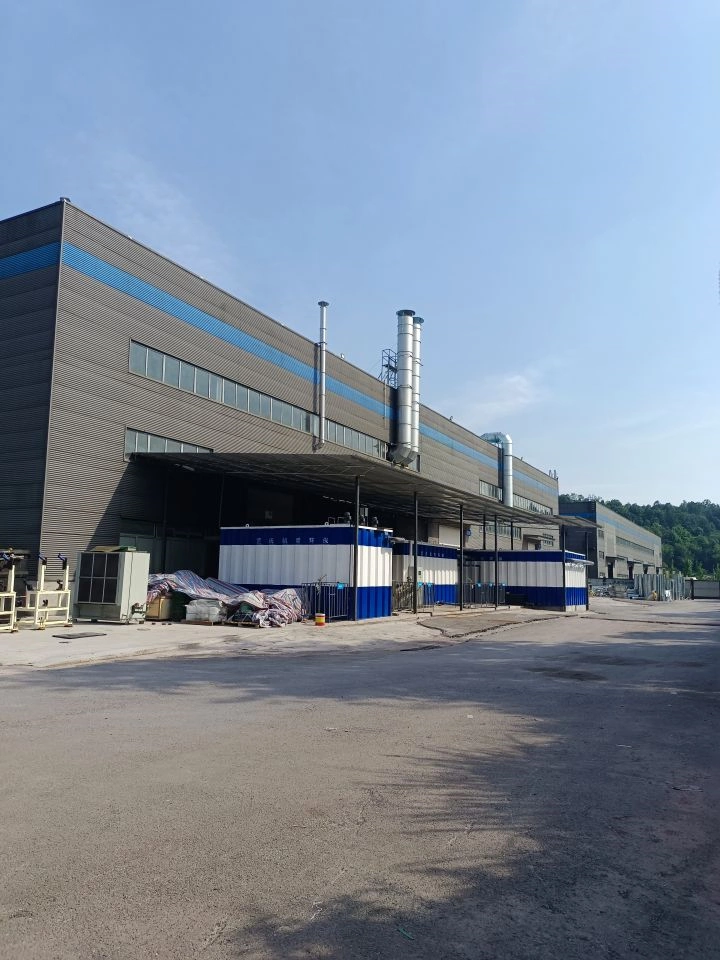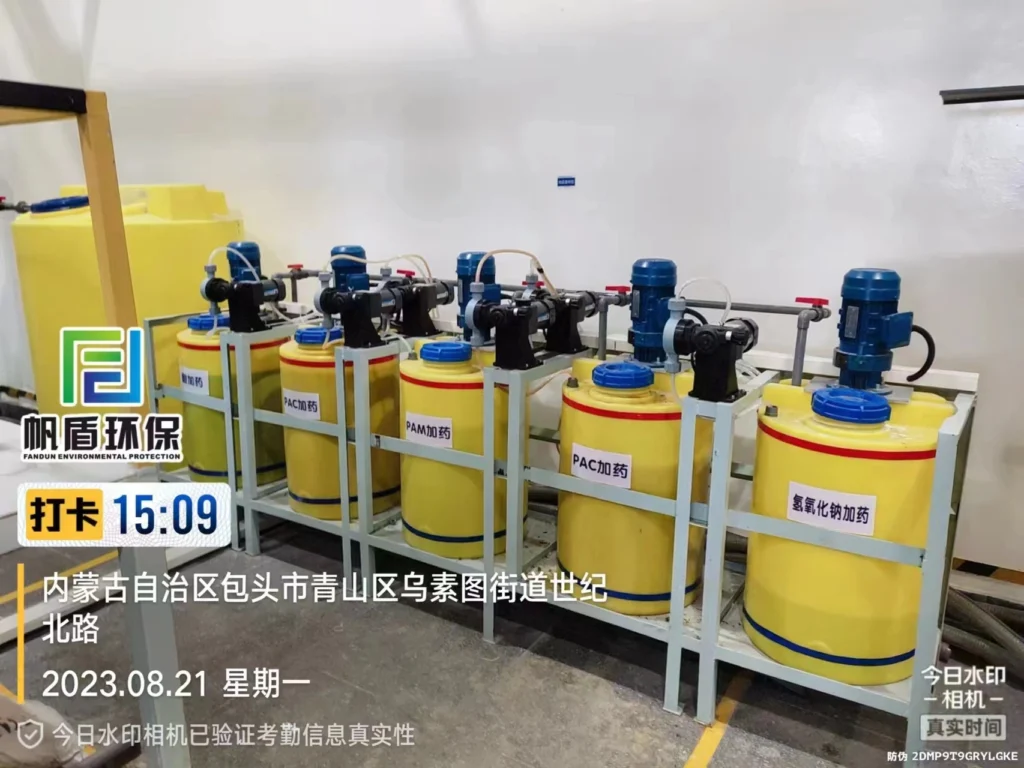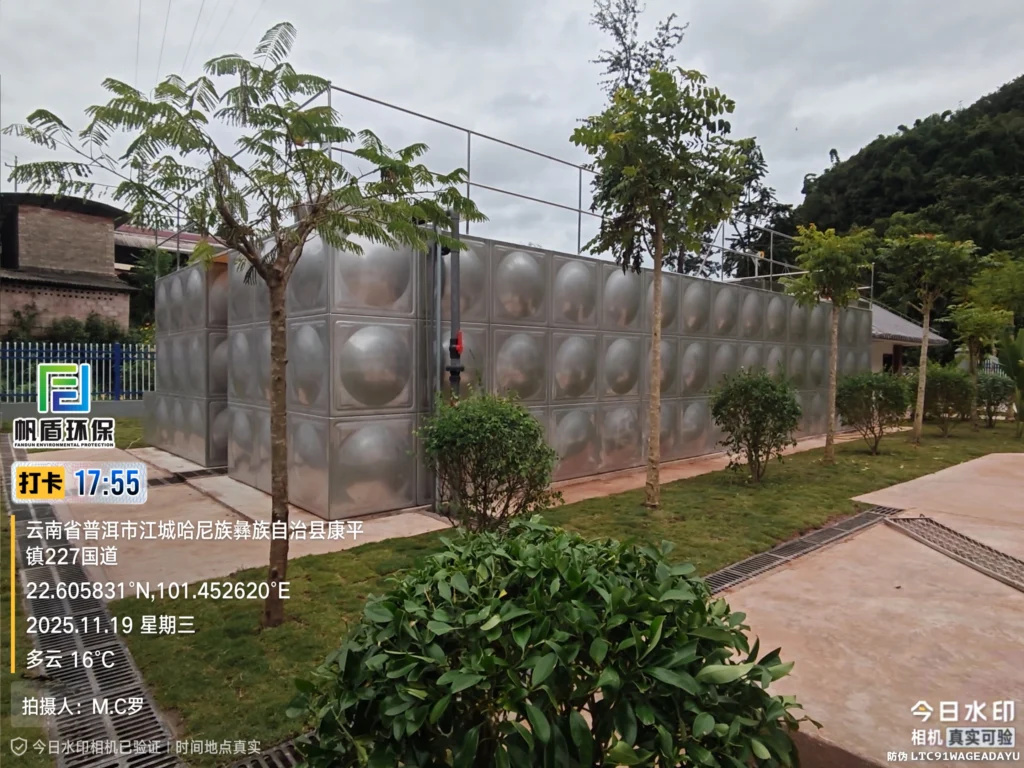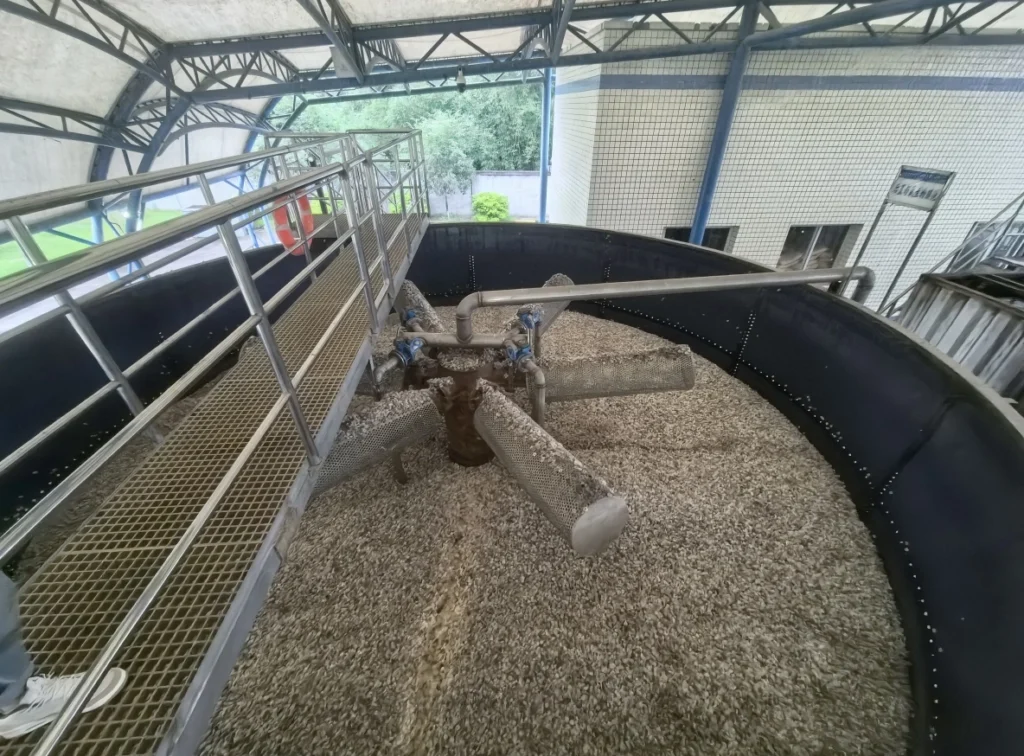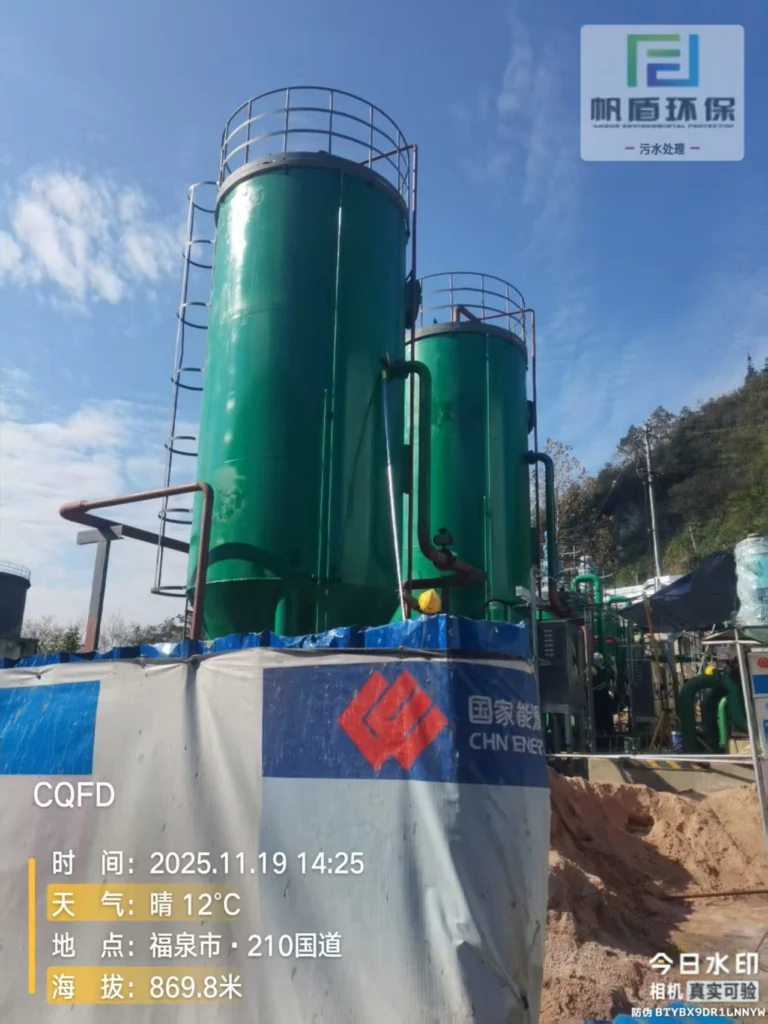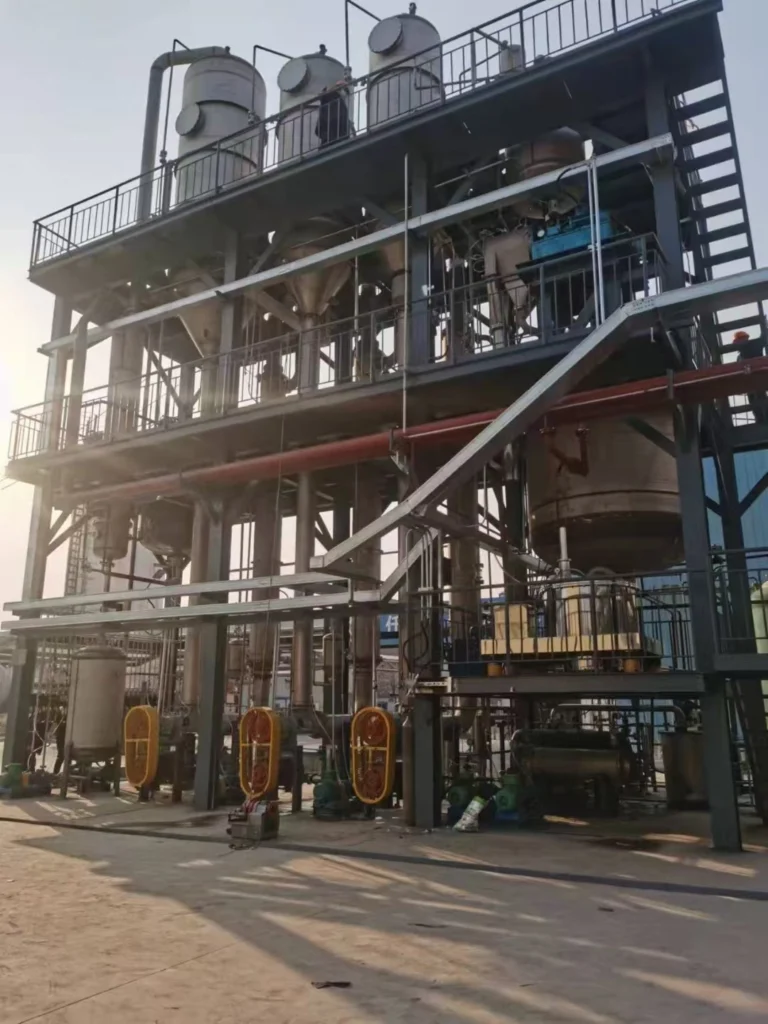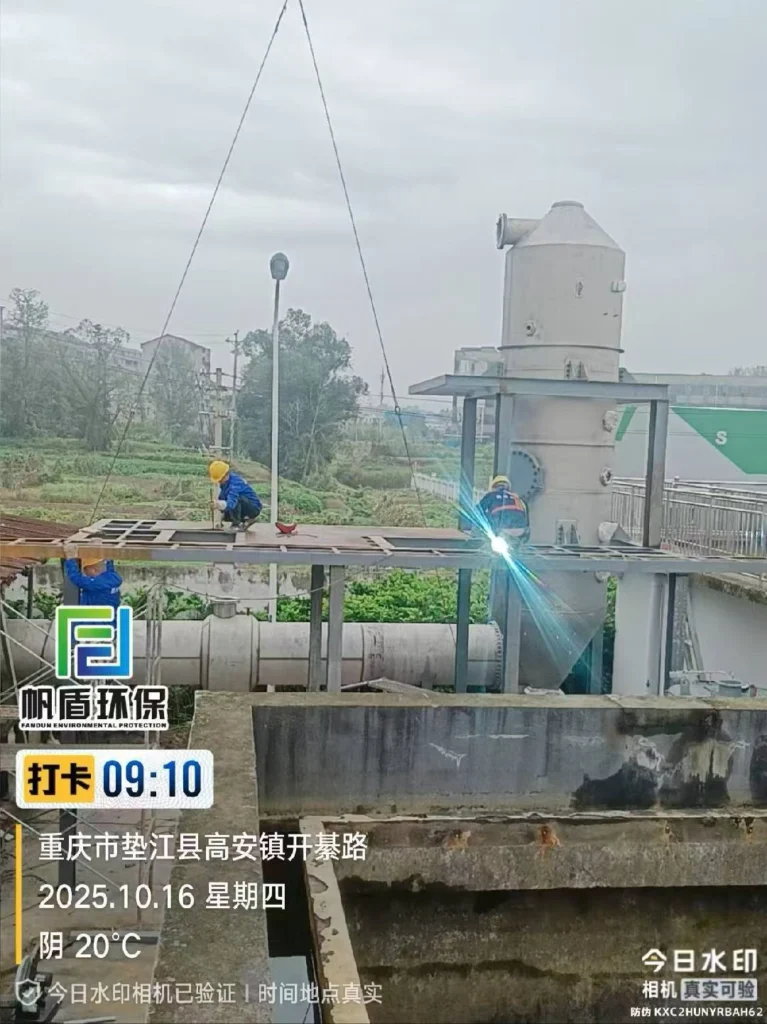
Pharmaceutical factory wastewater treatment equipment
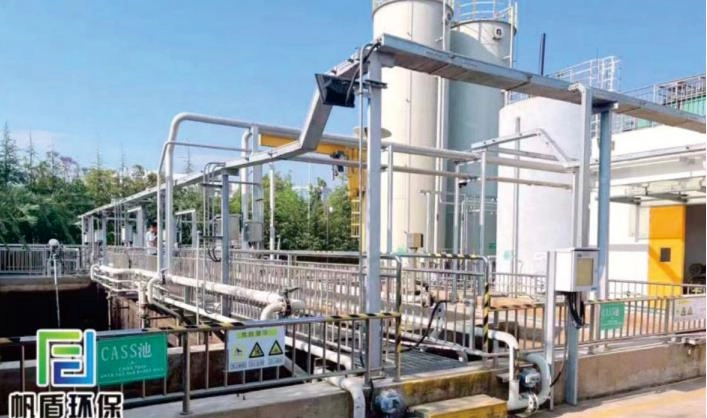
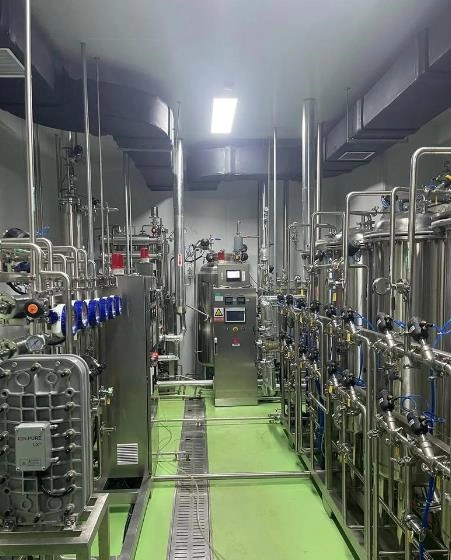
Product Introduction
I. Overview of Pharmaceutical Wastewater
In recent years, with the rapid development of the pharmaceutical industry, pharmaceutical wastewater has become one of the serious pollution sources. Pharmaceutical wastewater has the characteristics of complex composition, a wide variety of organic pollutants with high concentrations, high COD and BOD values with significant fluctuations, large differences in BOD/COD values, high concentrations of suspended solids and NH3-N, deep color, and the presence of difficult-to-biodegrade and toxic substances. It is one of the more challenging industrial wastewater to treat.
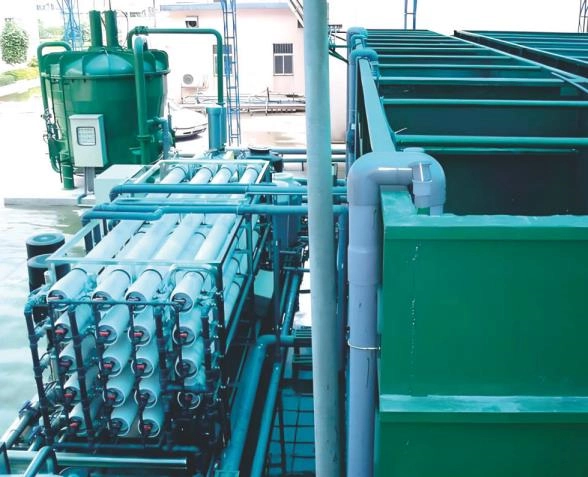
II. Sources and Classification of Pharmaceutical Wastewater
The pharmaceutical industry’s pollutant discharge standard system consists of six sub-standards, namely fermentation type, chemical synthesis type, extraction type, traditional Chinese medicine type, biological engineering type, and mixed formulation type.
1. Pharmaceutical wastewater from the fermentation process, filtration, extraction and crystallization, refining, and purification, etc. contains complex components, a carbon-nitrogen ratio imbalance, poor biodegradability, and a large amount of sulfate, drug efficacy and its degradation products, etc. as biologically inhibitory substances.
Chemical synthesis type pharmaceutical wastewater is the wastewater produced during the chemical synthesis process for the production of drugs and pharmaceutical intermediates. The wastewater has large variations in quality and quantity, large pH changes, a wide variety of pollutants, complex components, poor biodegradability, and contains difficult-to-degrade substances and antibacterial antibiotics with inhibitory effects, as well as high toxicity and color.
2. Pharmaceutical wastewater from the extraction type includes residual waste filtrate from extracting drugs from mother liquor, waste mother liquor, and solvent recovery residue liquid, etc. The wastewater is complex in composition, has large variations in quality and quantity, and a large pH fluctuation range.
3. Pharmaceutical wastewater from the traditional Chinese medicine type is generated during the washing, steaming, and rinsing of medicinal materials, as well as the formulation process in the production workshop. This type of wastewater has a high content of organic pollutants, complex components, is difficult to precipitate, has high color, good biodegradability, and large variations in quality and quantity.
4. Pharmaceutical wastewater from the biological engineering type is produced during the cultivation or extraction of bacterial vaccines, plasma and serum antibiotics, and insulin and gastric enzymes using animal organs as raw materials. The wastewater is complex in composition, has high COD and SS content, has large variations in quality and quantity, and contains difficult-to-biodegrade and antibacterial antibiotics with inhibitory effects.
5. Pharmaceutical wastewater from the mixed formulation type is generated from the cleaning wastewater during the bottle washing process, the water from equipment rinsing, and the water from the factory floor rinsing. This type of wastewater is relatively simple in composition, belongs to medium and low content organic wastewater.
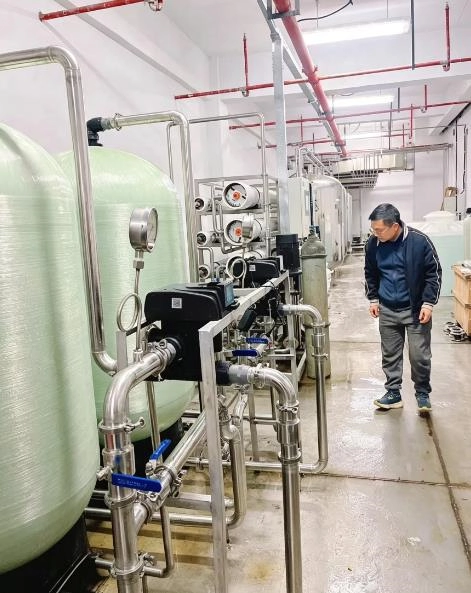
III. Characteristics of Pharmaceutical Wastewater Quality
The main characteristics of pharmaceutical wastewater are as follows: ① There are many discharge points, with high and low concentration wastewater being discharged separately, which is conducive to the separation of pollutants; ② High-concentration wastewater is discharged intermittently, requiring larger collection and regulation devices; ③ The pollutant concentration is high; ④ The carbon-nitrogen ratio is low, which is not conducive to increasing the load and efficiency of wastewater biological treatment; ⑤ The nitrogen content is high, affecting the removal of COD; ⑥ The sulfate concentration is generally high, causing difficulties in anaerobic wastewater treatment; ⑦ The wastewater contains substances that are difficult for microorganisms to degrade and even have inhibitory effects on microorganisms; ⑧ The water has a relatively high color.
Antibiotic wastewater has a high color, contains various difficult-to-degrade and biologically toxic substances, and the residual antibiotics in the wastewater will have potential impacts on the environment. The wastewater from the production of traditional Chinese medicine contains a large amount of polycyclic aromatic hydrocarbons, with the highest COD reaching 8000-9000 mg/L and the highest BOD reaching 2500-3000 mg/L, and the wastewater quality and quantity vary greatly. The components of synthetic drug production wastewater are complex, with high organic pollutant concentrations, and contain a large amount of toxic and harmful substances, having a significant inhibitory effect on biological activity, and the treatment is difficult. For various preparation processes, the washing water and flushing wastewater during the production process have much lower concentrations of toxic and harmful organic substances, lower toxicity, and are easier to treat, and can be treated together with other production wastewater.
IV. Hazards of Pharmaceutical Wastewater
Pharmaceutical wastewater, if not treated or if the treatment does not meet the discharge standards, is directly discharged into the environment, causing serious harm. Pharmaceutical wastewater contains a large amount of refractory organic compounds, and most of them have strong toxicity and “three types of effects” (carcinogenic, mutagenic, and teratogenic). When these refractory pollutants are discharged into the water body, they remain in the water for a long time and accumulate and concentrate through the food chain, eventually entering the human body and causing toxicity. When the organic content is too high, the rate at which oxygen is consumed by biological oxidation decomposition exceeds the rate of reoxygenation, resulting in oxygen deficiency in the water body. This causes the death of aerobic aquatic organisms, and anaerobic microorganisms digest to produce substances such as methane and hydrogen sulfide, further inhibiting aquatic organisms and causing the water body to stink.
V. Process of Pharmaceutical Wastewater Treatment Equipment
The main challenge in treating pharmaceutical wastewater lies in the fact that certain components in the wastewater may inhibit the growth of microorganisms, further reducing the biodegradability of the wastewater and making the effluent fail to meet the discharge standards. Therefore, improving the biodegradability is the primary issue faced in the treatment process of pharmaceutical wastewater. Currently, the treatment methods for pharmaceutical wastewater mainly include physical-chemical methods, chemical methods, biochemical methods, and combined treatment processes.
1. Physical-Chemical Method: Physical-chemical methods can be used as pre-treatment to enhance the biodegradability of the wastewater, or as a deep treatment method to ensure the effluent meets the discharge standards. The main physical-chemical treatment methods include coagulation, adsorption, air flotation, ion exchange, and membrane separation methods, etc.
2. Chemical Method: Chemical method is the traditional method for wastewater treatment equipment. Currently, oxidation method, electrolysis method, and advanced oxidation method are relatively common.
3. Biochemical Method: In the treatment process of pharmaceutical wastewater, using either aerobic or anaerobic biological treatment methods alone often fails to achieve the expected treatment effect. Therefore, a combination of multiple methods is commonly used in the treatment process to meet the discharge standards.