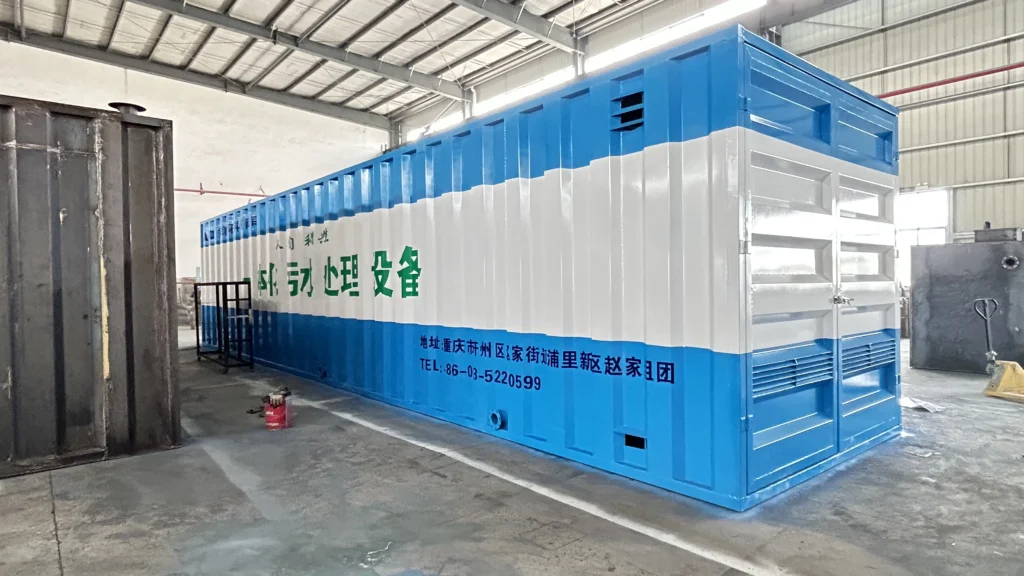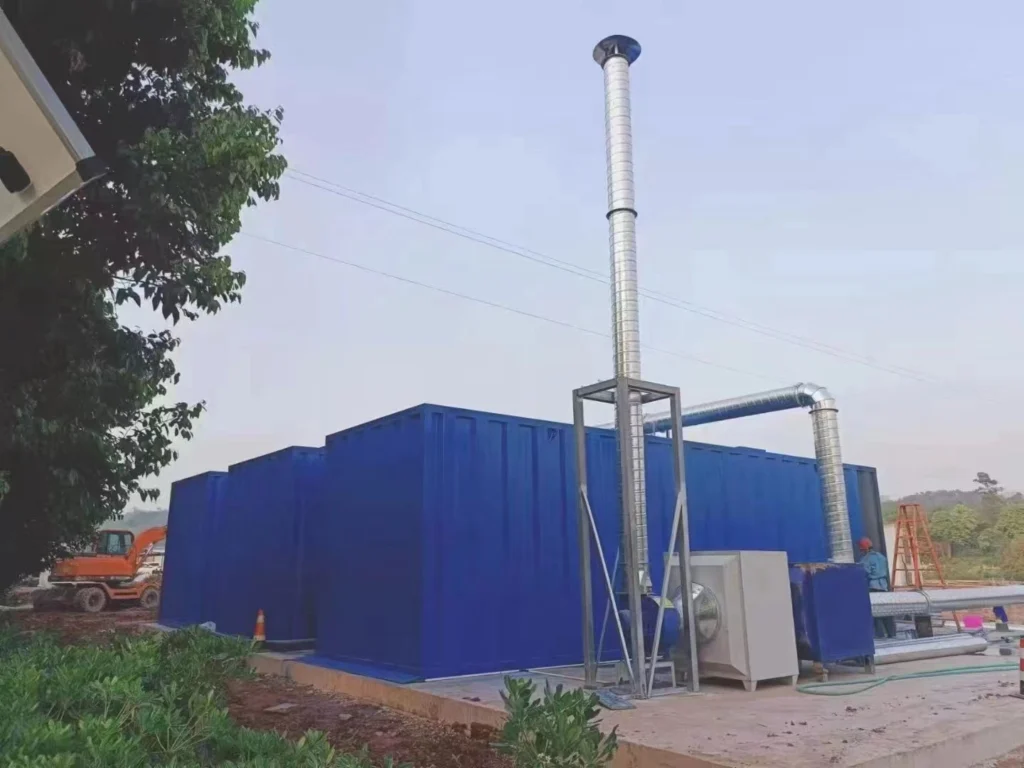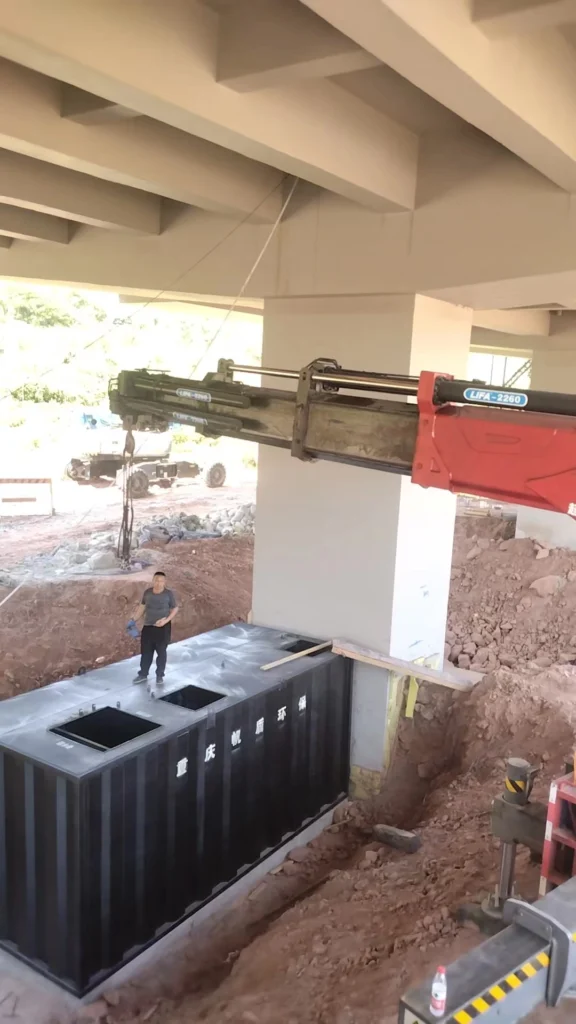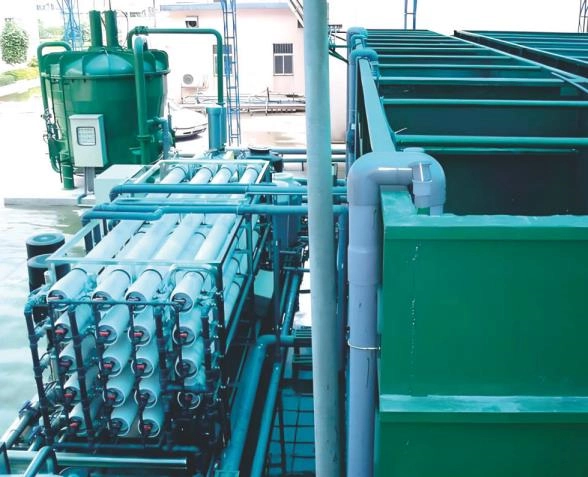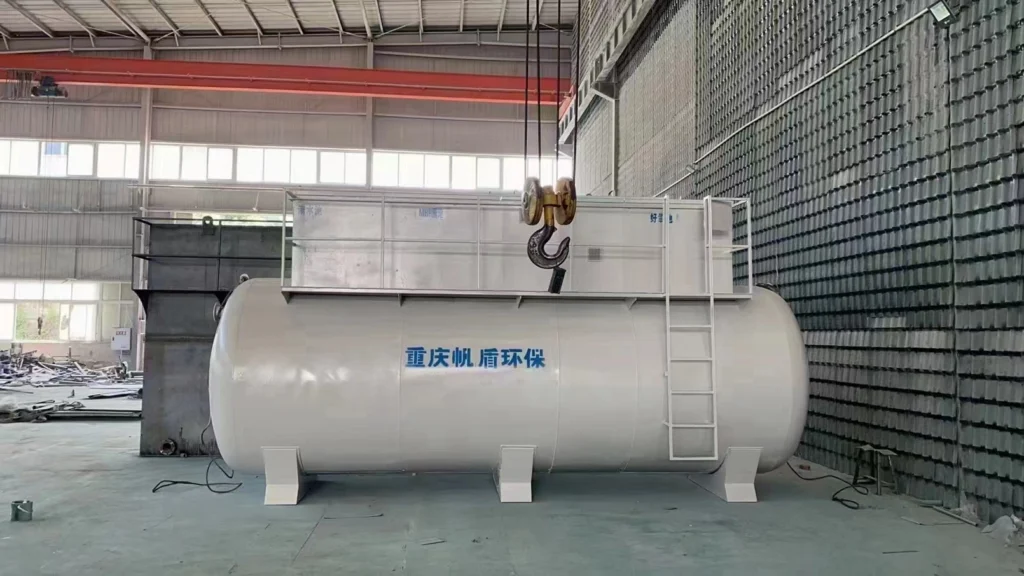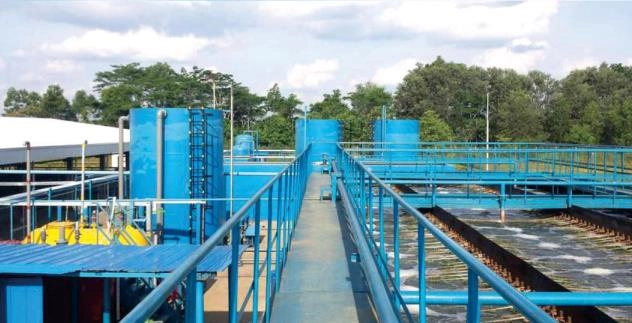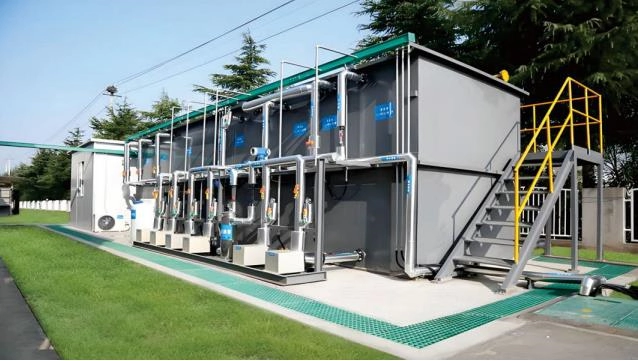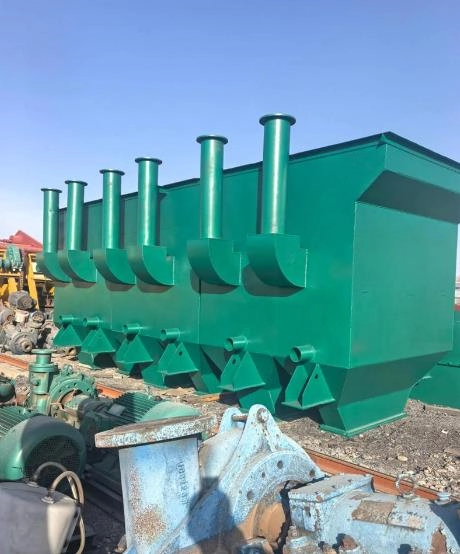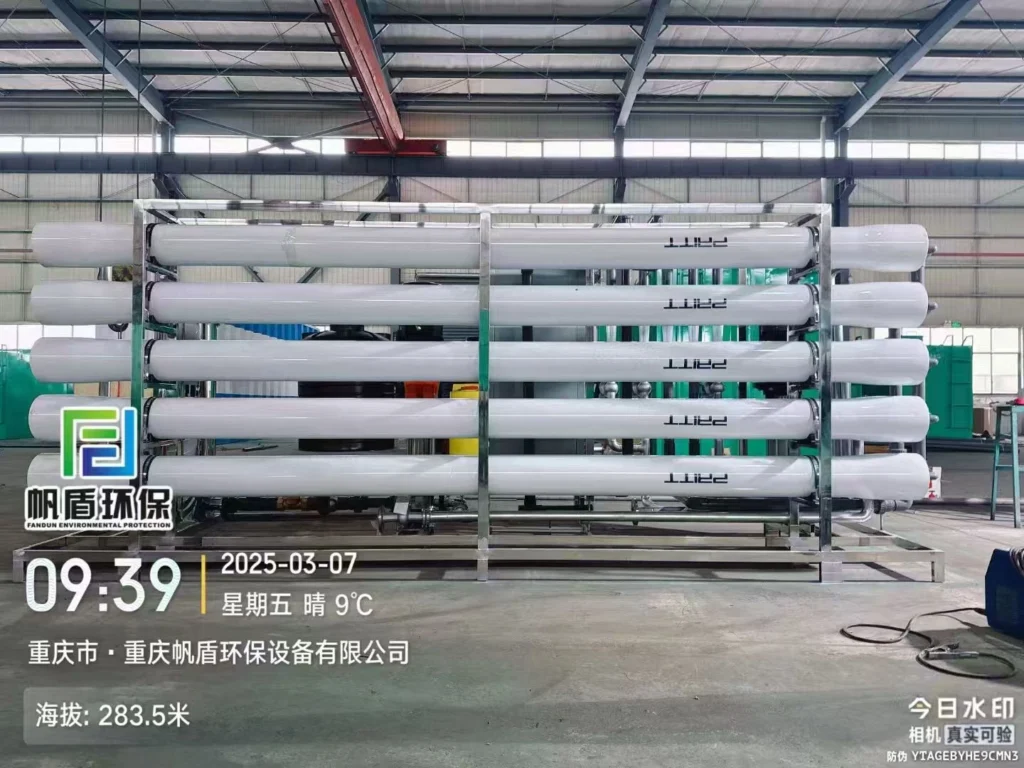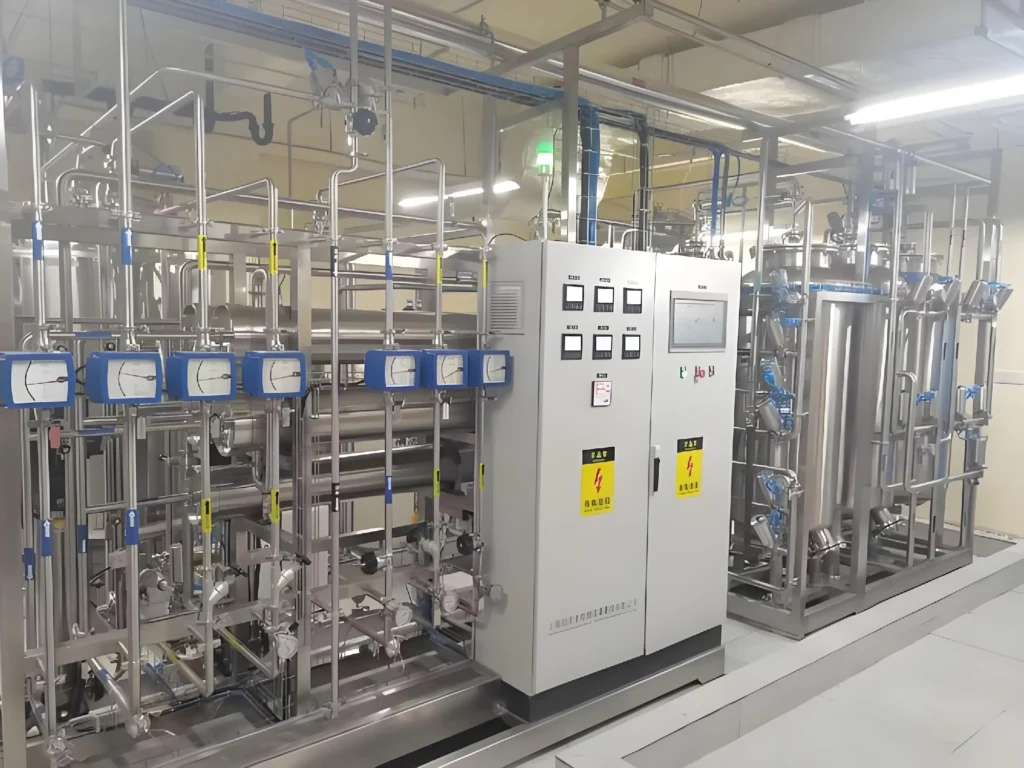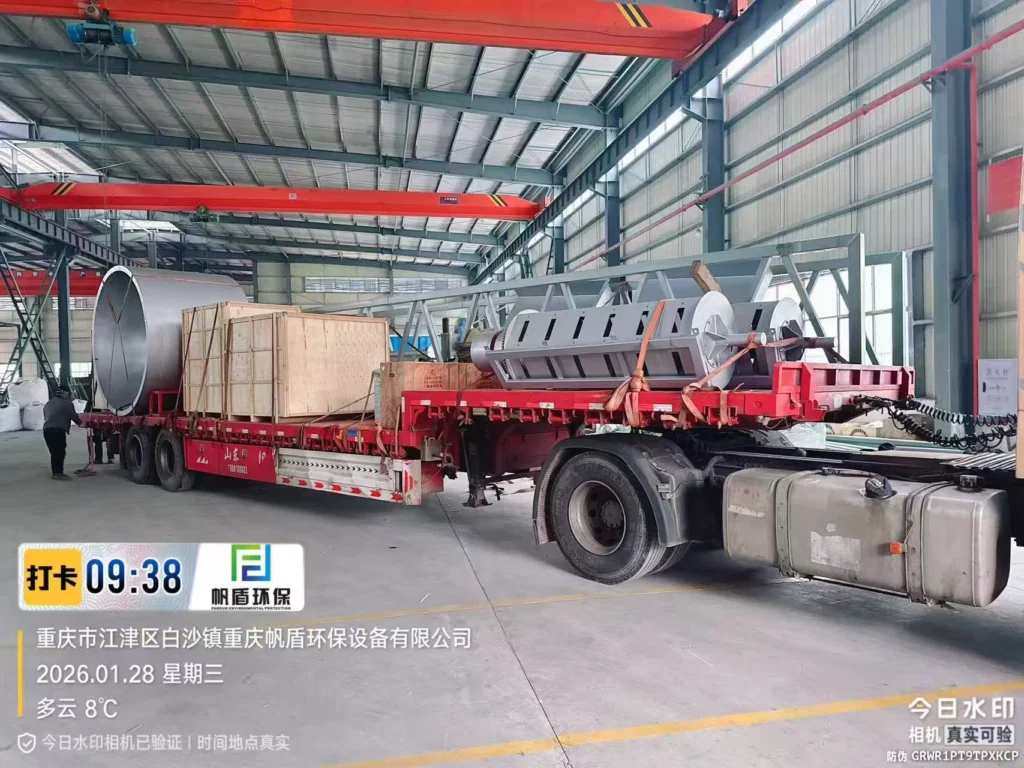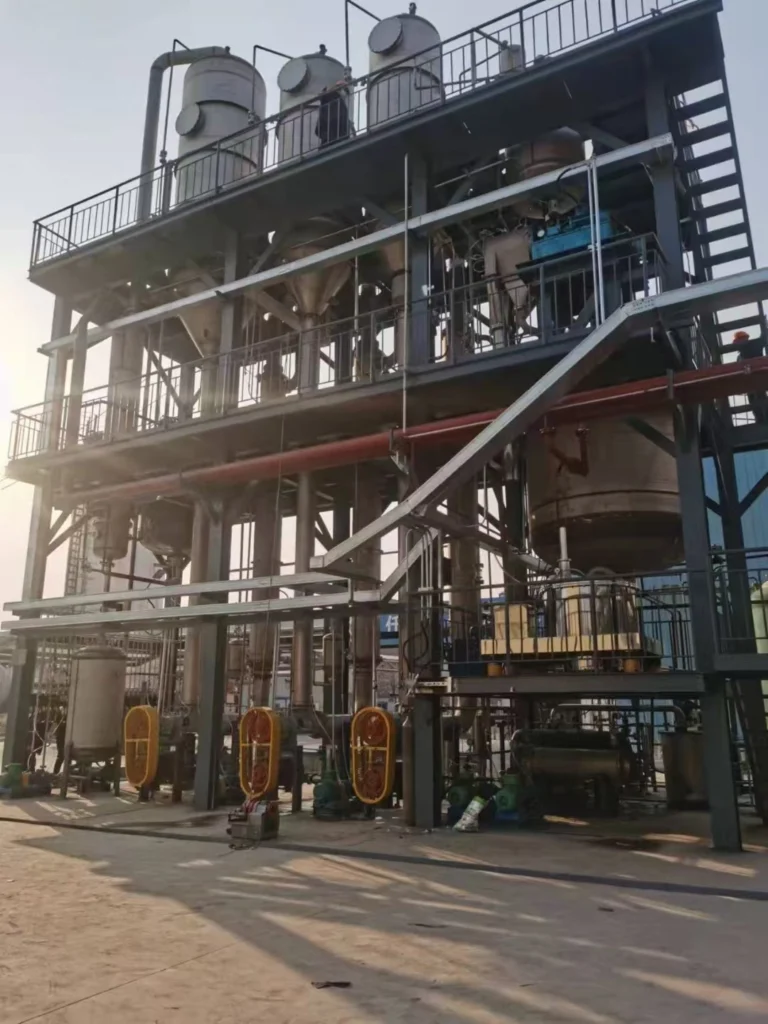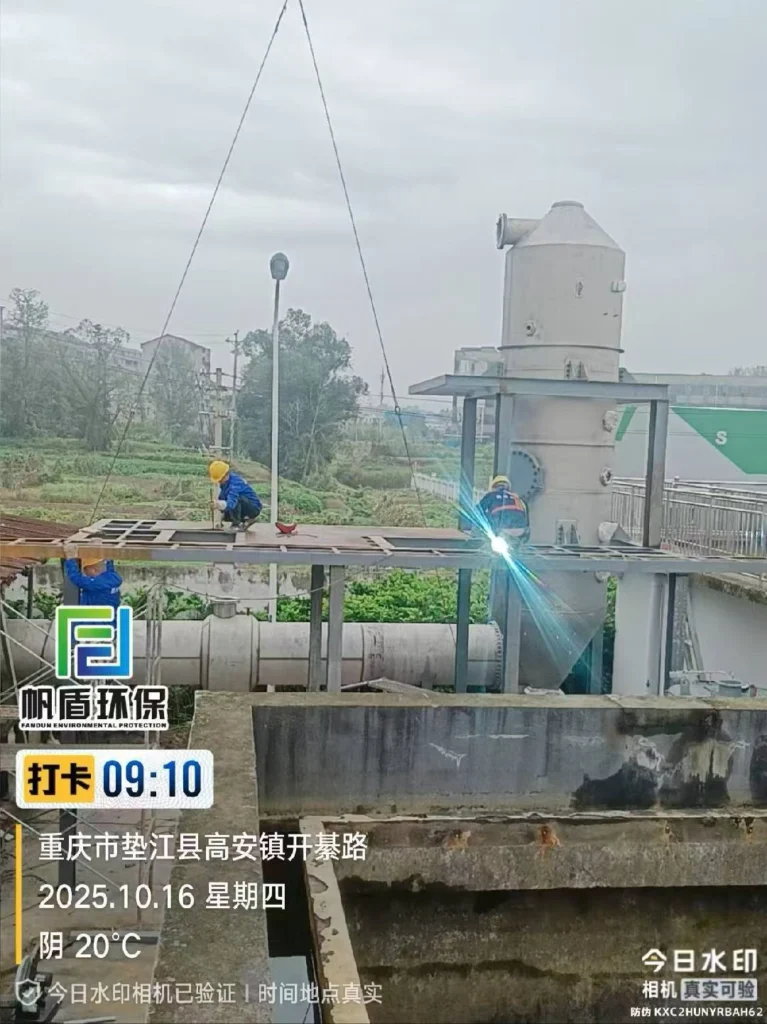
Spray painting wastewater treatment equipment
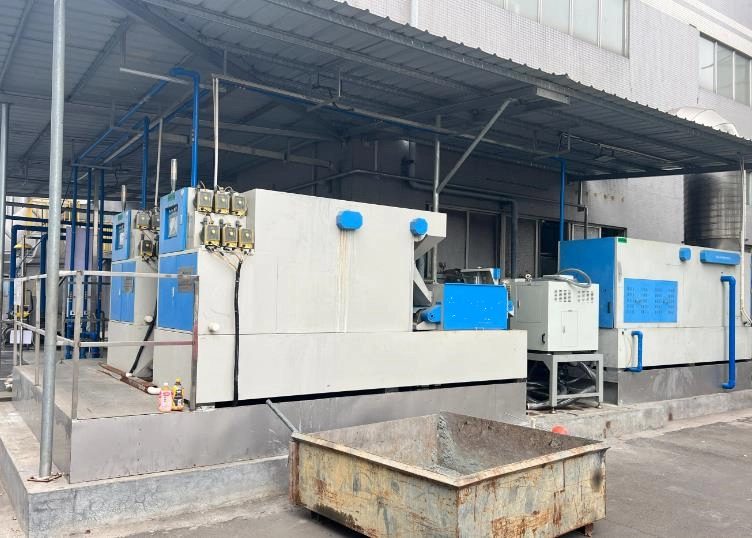
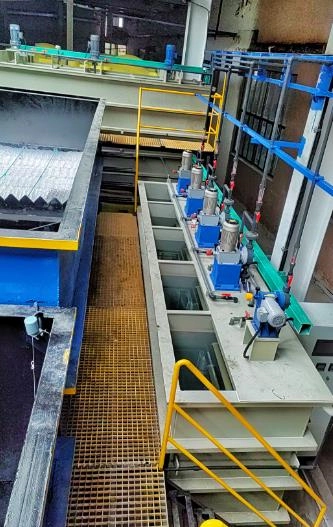
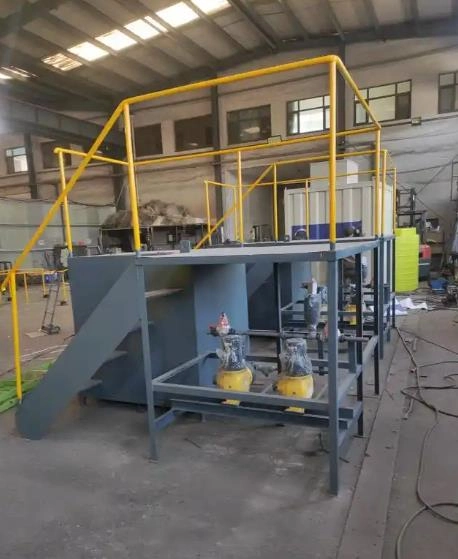
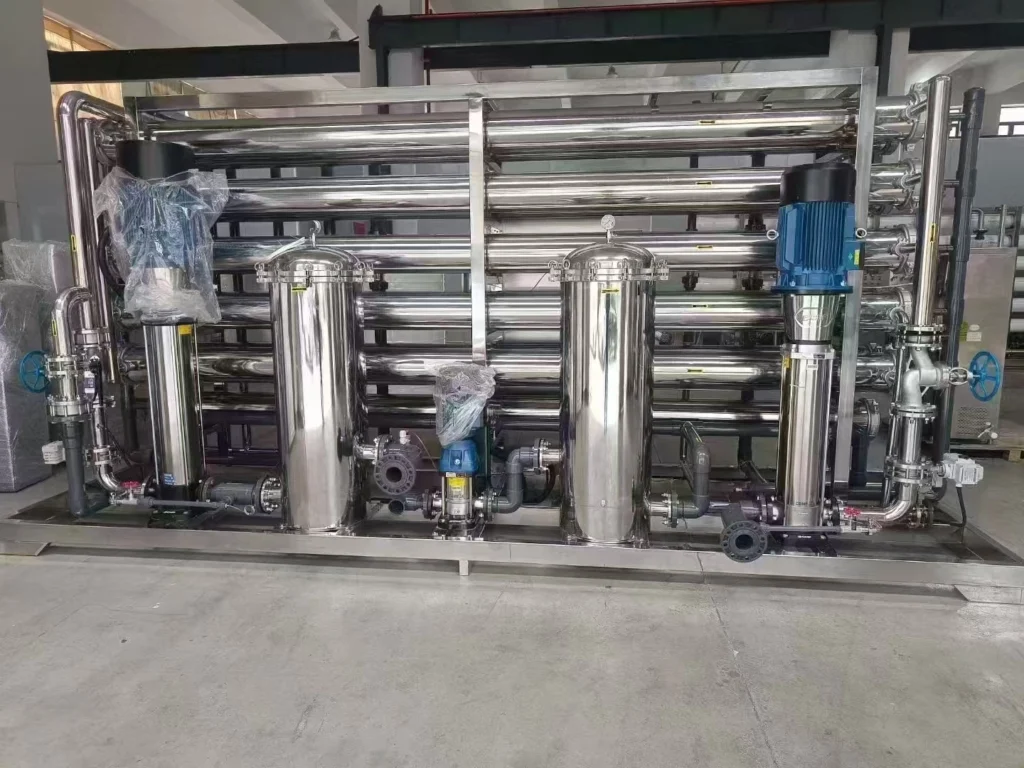
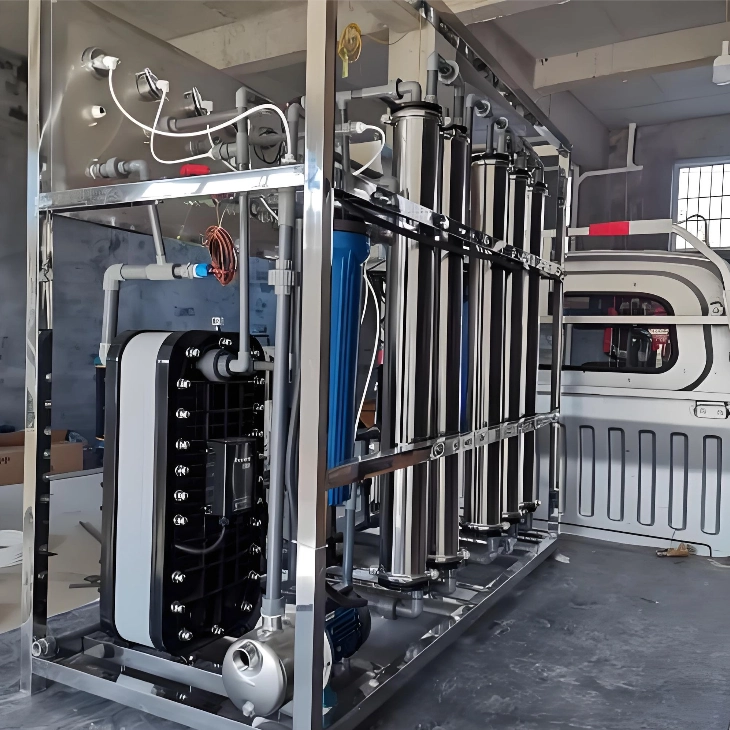
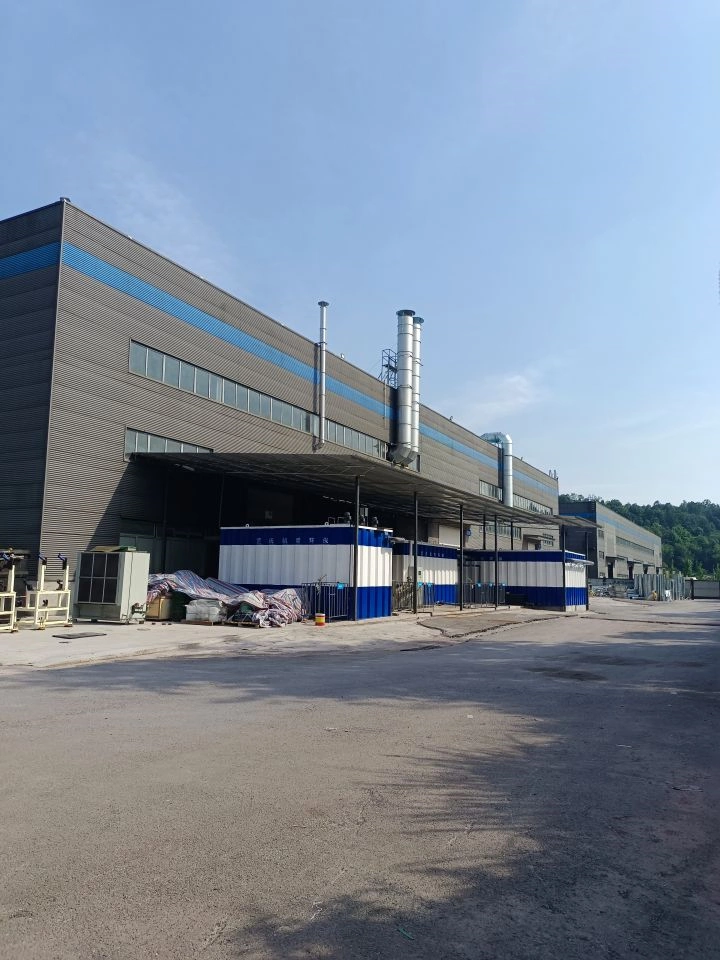
With the advancement of society and economy, the demand for industrial products has increased. From large vehicles to small appliances and mobile phones, many industrial product components require spray painting treatment. As is well known, during the spray painting process, waste gas and wastewater are produced. If not treated, it will cause significant pollution to the surrounding water quality and environment. Therefore, relevant enterprises must install wastewater treatment equipment.
Product Introduction
I. Introduction to Spray Painting Wastewater Treatment Equipment
With the advancement of society and economy, the demand for industrial products has increased. From large vehicles to small appliances and mobile phones, many industrial product components require spray painting treatment. As is well known, during the spray painting process, waste gas and wastewater are produced. If not treated, it will cause significant pollution to the surrounding water quality and environment. Therefore, relevant enterprises must install wastewater treatment equipment.
II. Characteristics of Spray Painting Wastewater
1. The types of coating wastewater are diverse, and the water quality varies depending on the materials used. There are multiple formulations for degreasing solutions, and the types of coatings are even more numerous.
2. The discharge is irregular. Apart from some water wash water that is continuously discharged in a continuous flow, the wastewater or waste liquid from the coating line is mostly discharged intermittently and in concentrated batches.
3. The water quality and quantity fluctuate greatly and do not follow any regular pattern.
III. Hazardous Substances in Spray Paint Waste Water
1. Oil-based paint: Water droplets carrying paint particles; Water-based paint: Micro-particles of paint dissolved in water;
2. Paint particles sprayed independently in the air and mixed with exhaust gas;
3. The raw material odor of the paint in gaseous state, the odor emitted by the diluent (normal temperature paint curing agent), and the odor released during the reaction and curing process.
IV. Brief Description of the Process Flow
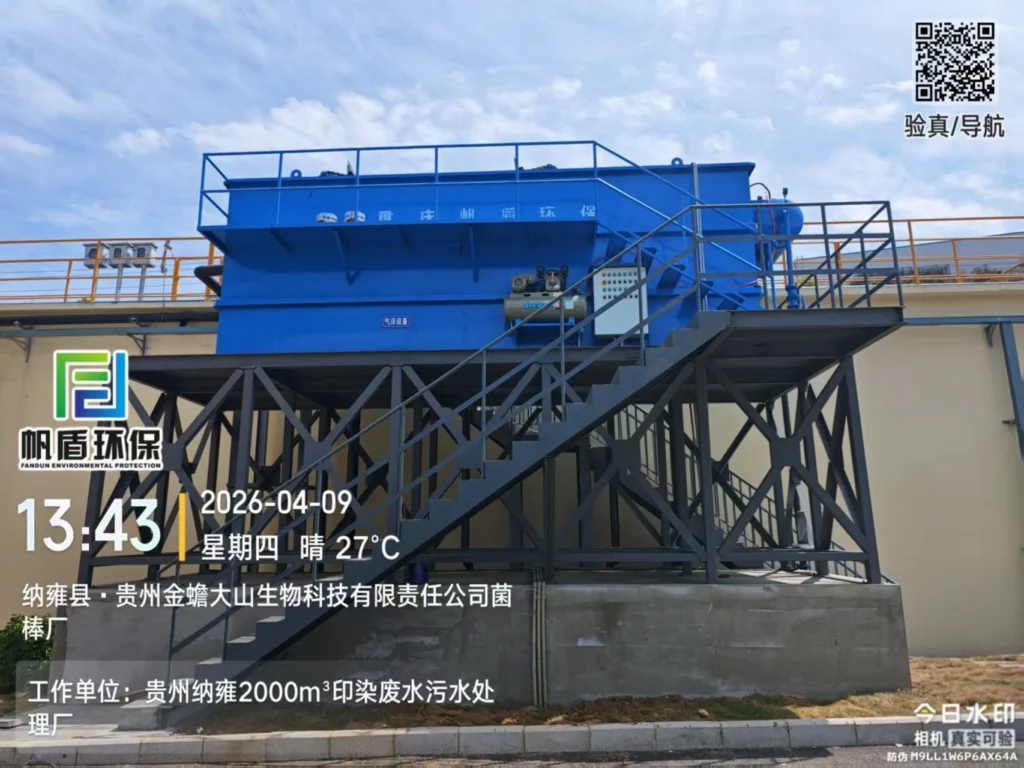
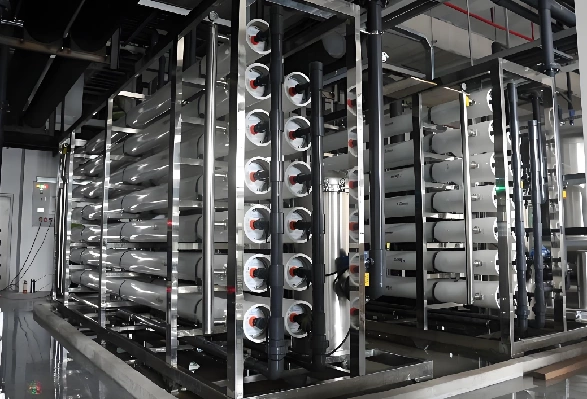
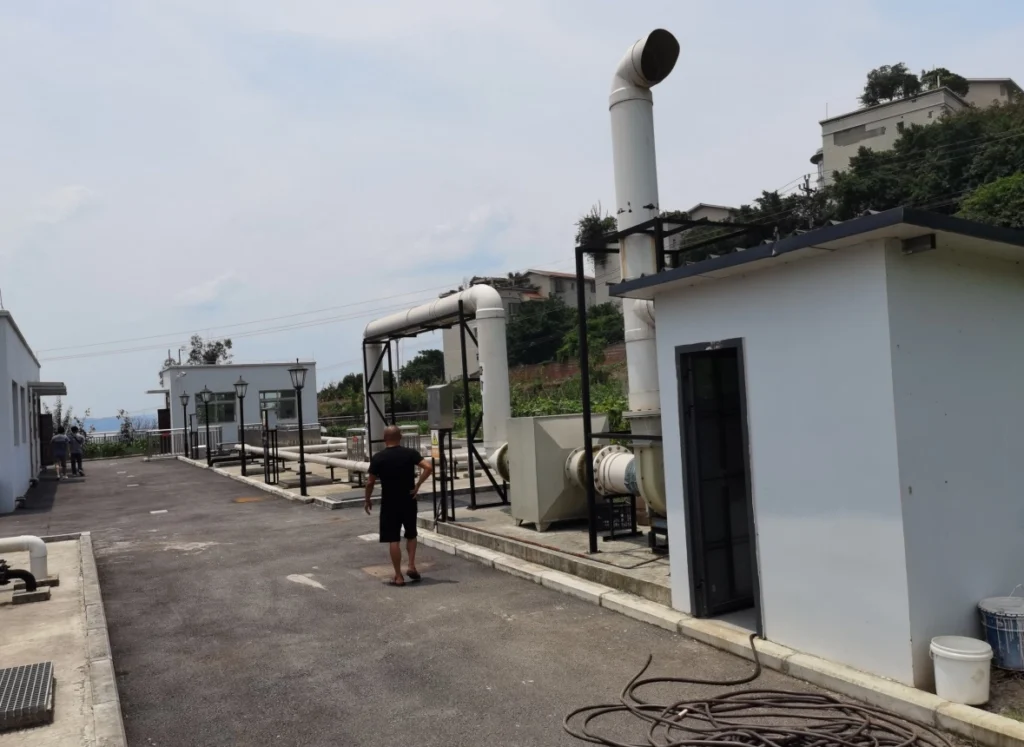
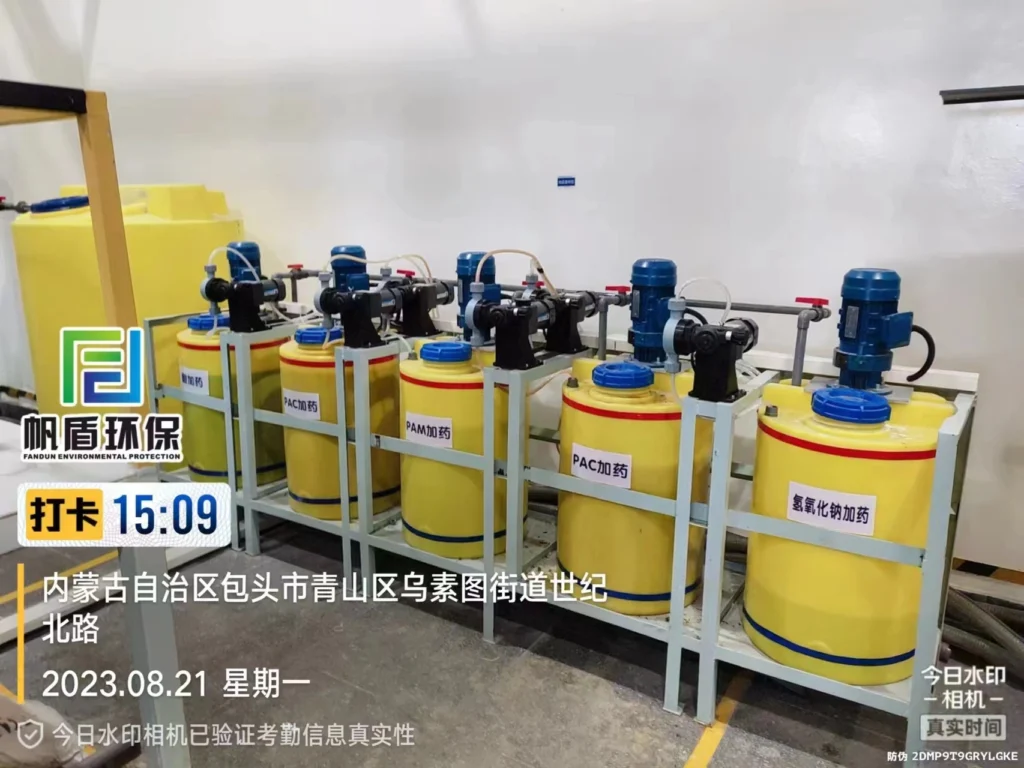
The paint wastewater is first treated by adding a coagulant to break down and remove the paint’s stickiness, as well as to remove the heavy metals in the water. This helps to control the biological activity of the circulating water, preventing it from generating unpleasant odors, and also reduces the COD content. Then it enters the regulating tank for homogenization, water volume adjustment and water quality regulation. It is then pumped up to the air flotation device, where coagulants and flocculants are added for solid-liquid separation. The clear water flows to the intermediate tank. The floating sludge flows to the sludge concentration tank and is regularly discharged outside.
2. Independently sprayed on the paint particles in the exhaust gas in the air;
3. The raw material odor of the paint in the gaseous state, the odor emitted by the diluent (room temperature paint curing agent) during dilution, and the odor released during the reaction and curing process.