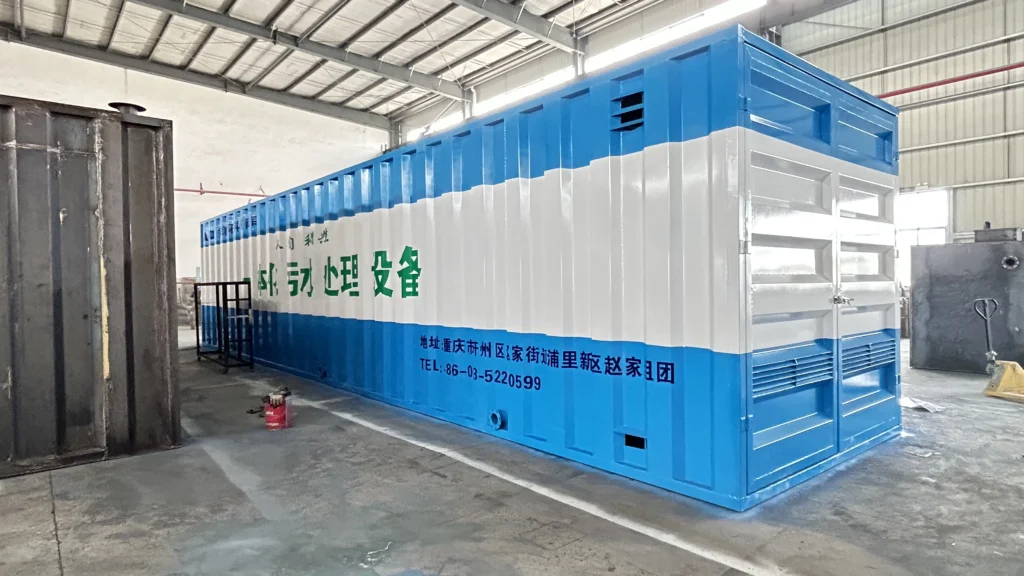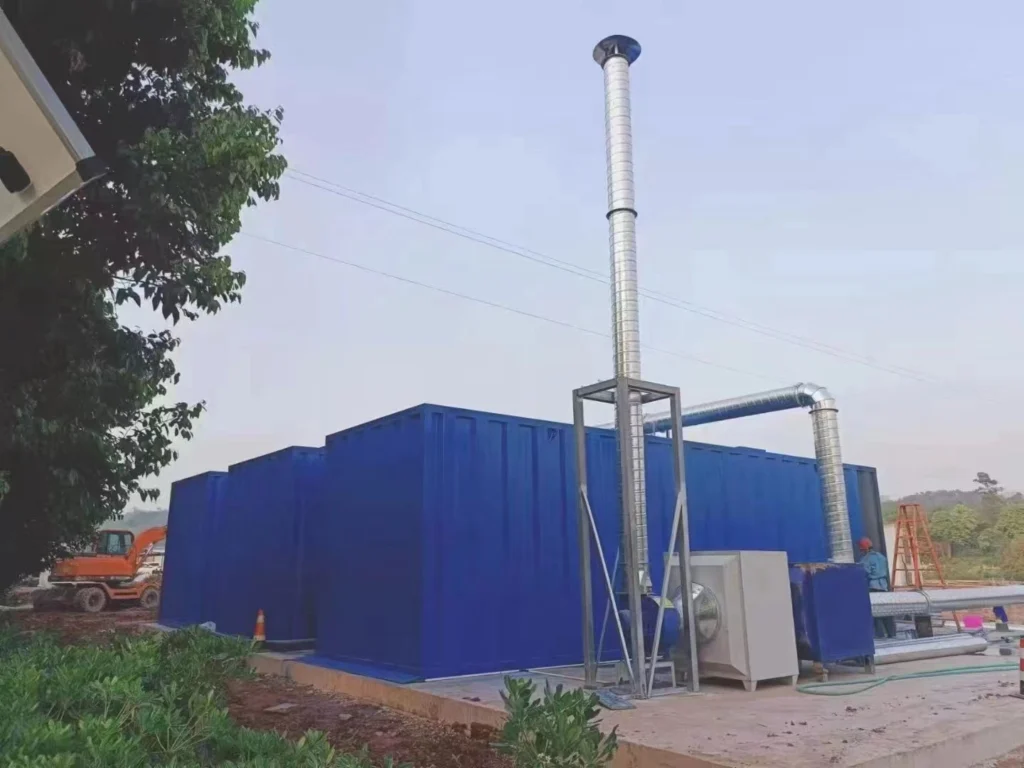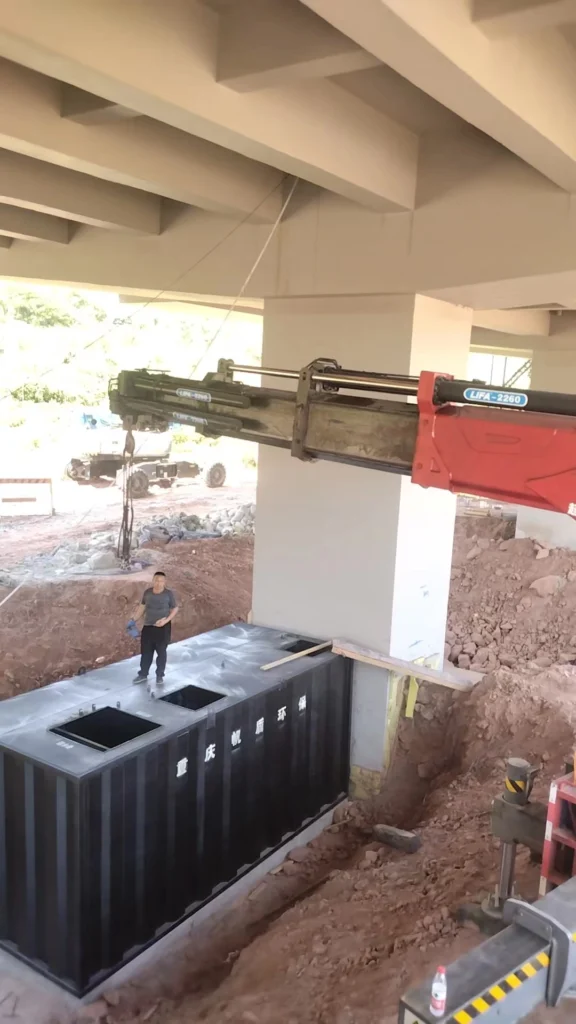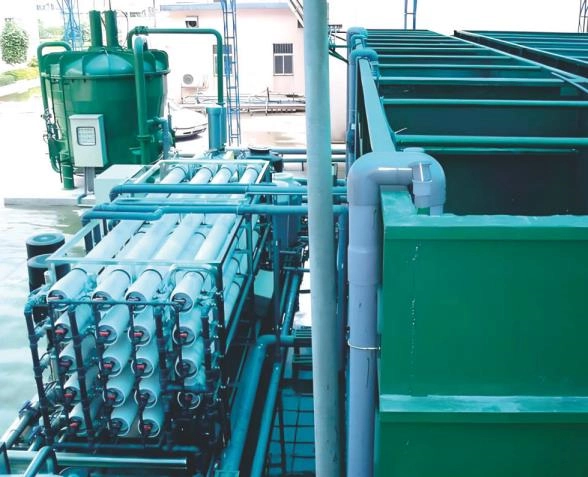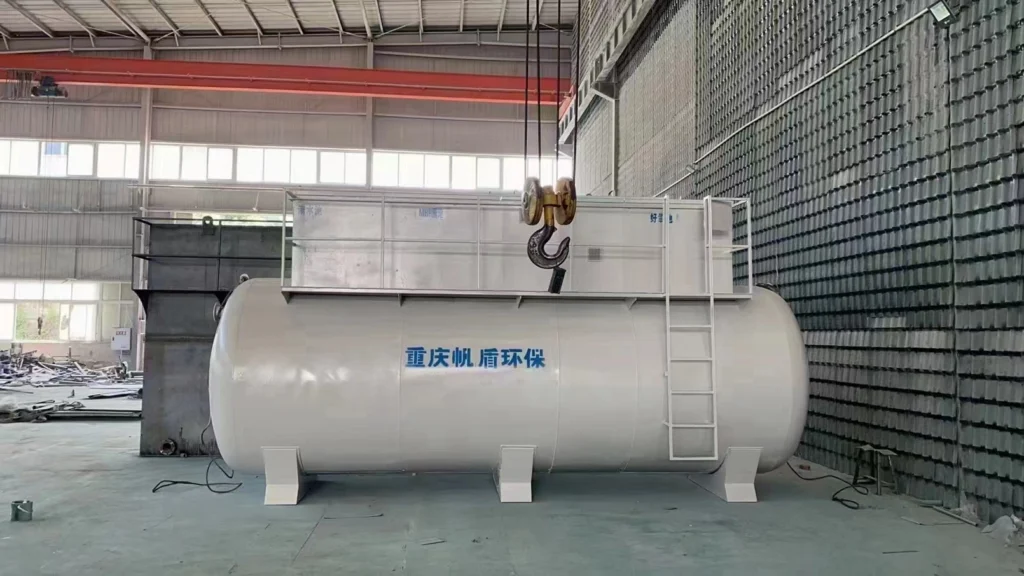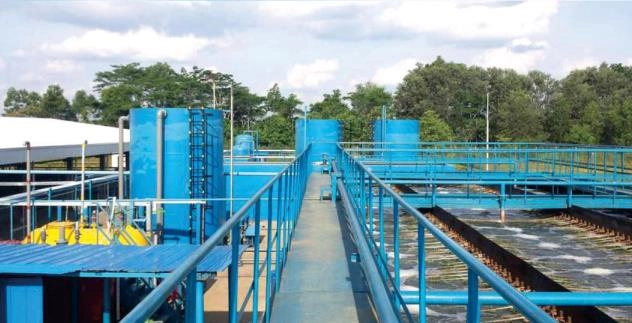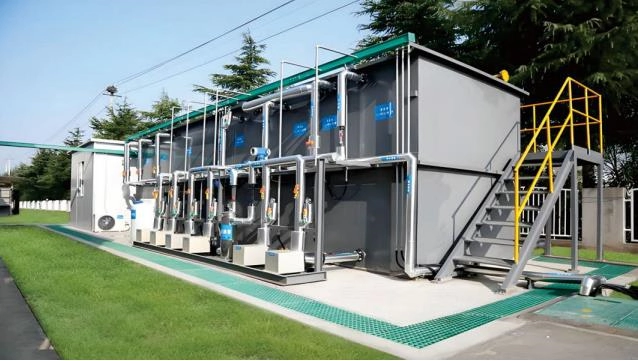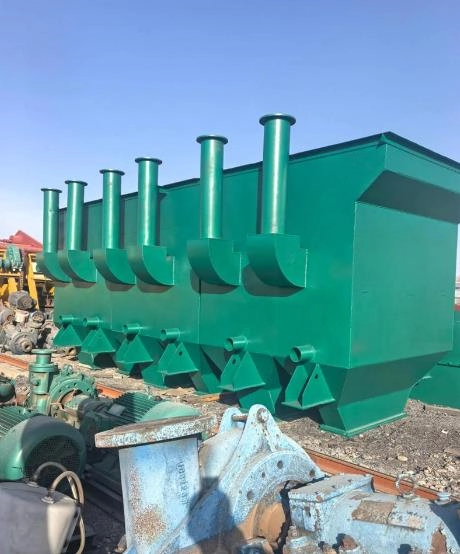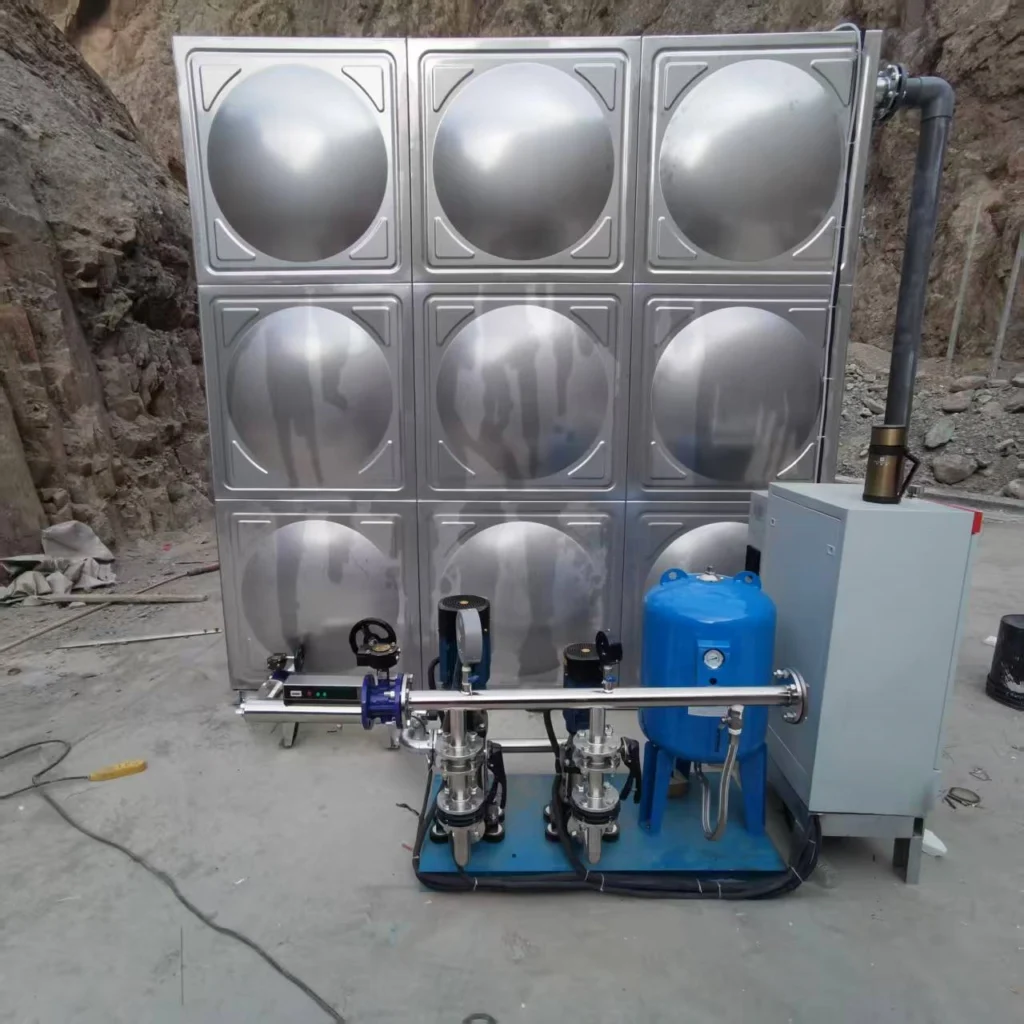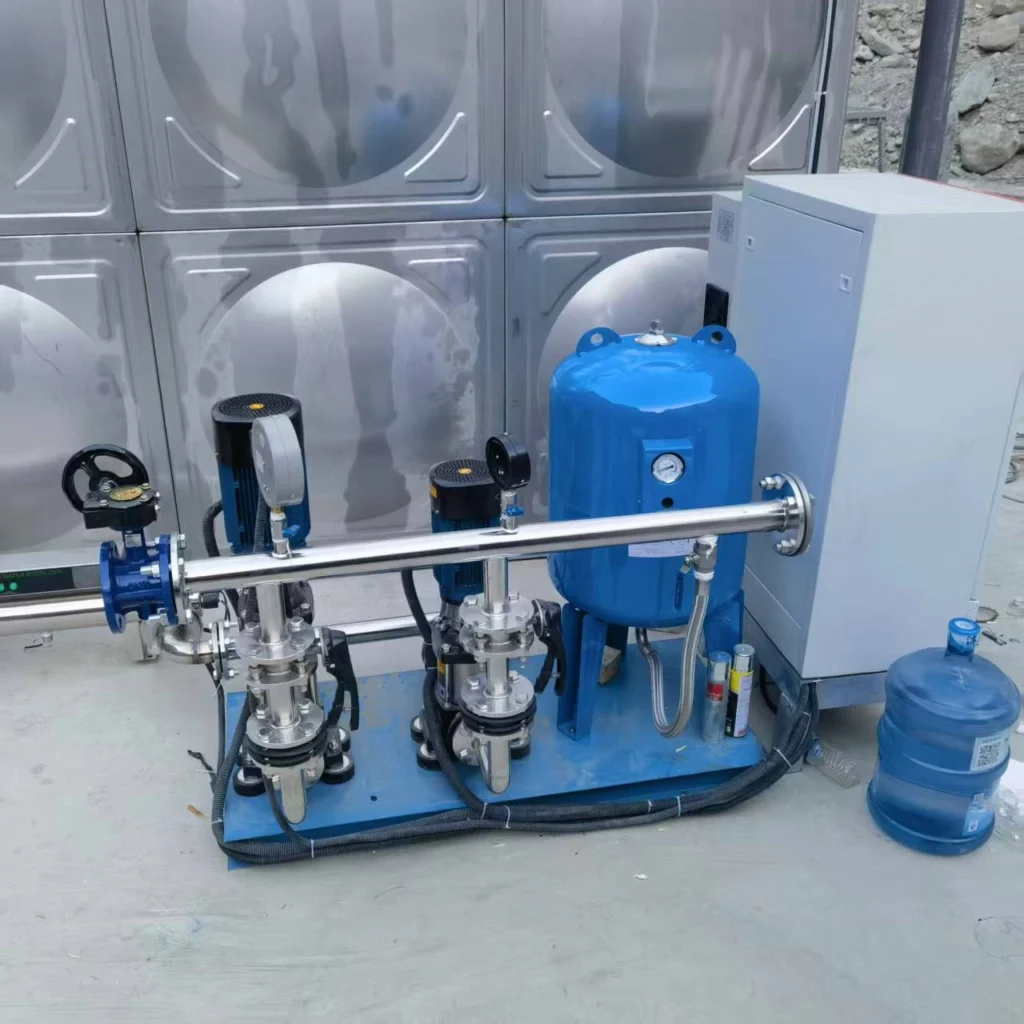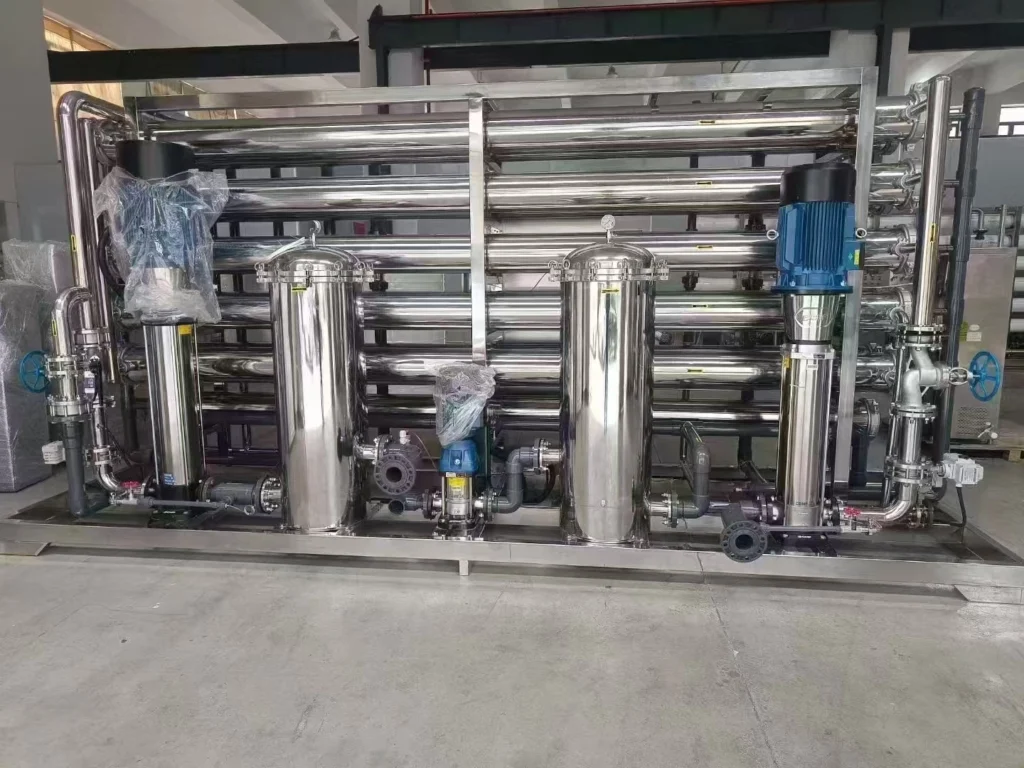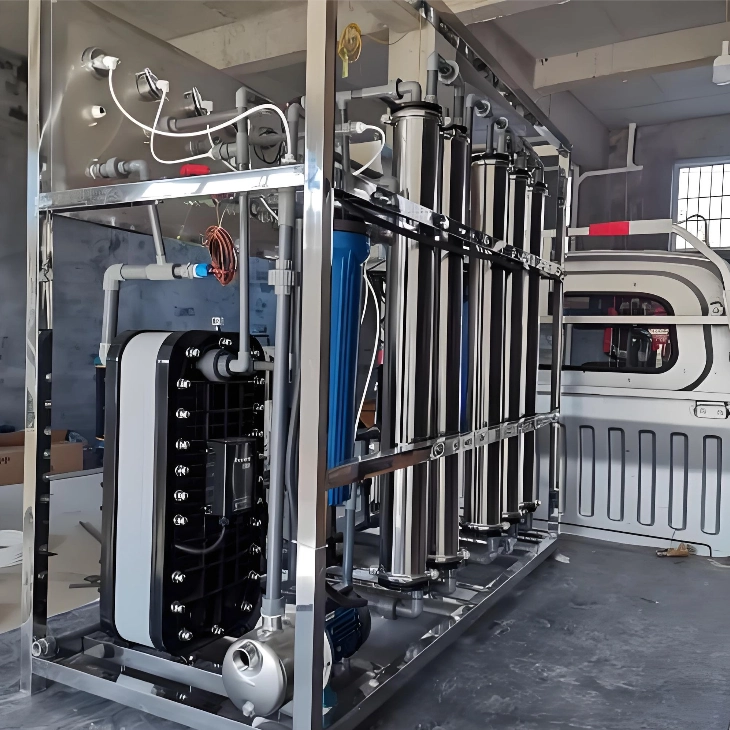
Paper mill wastewater treatment equipment
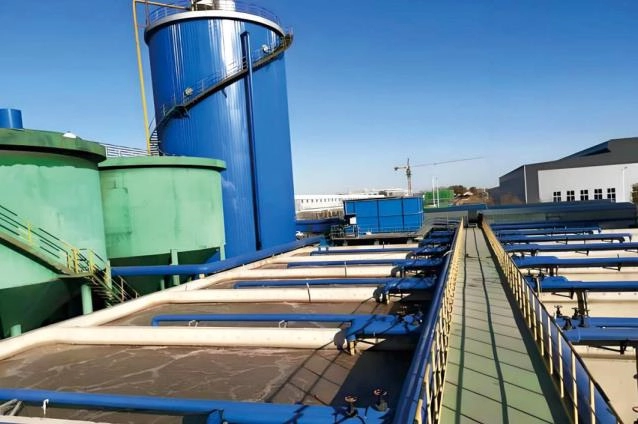
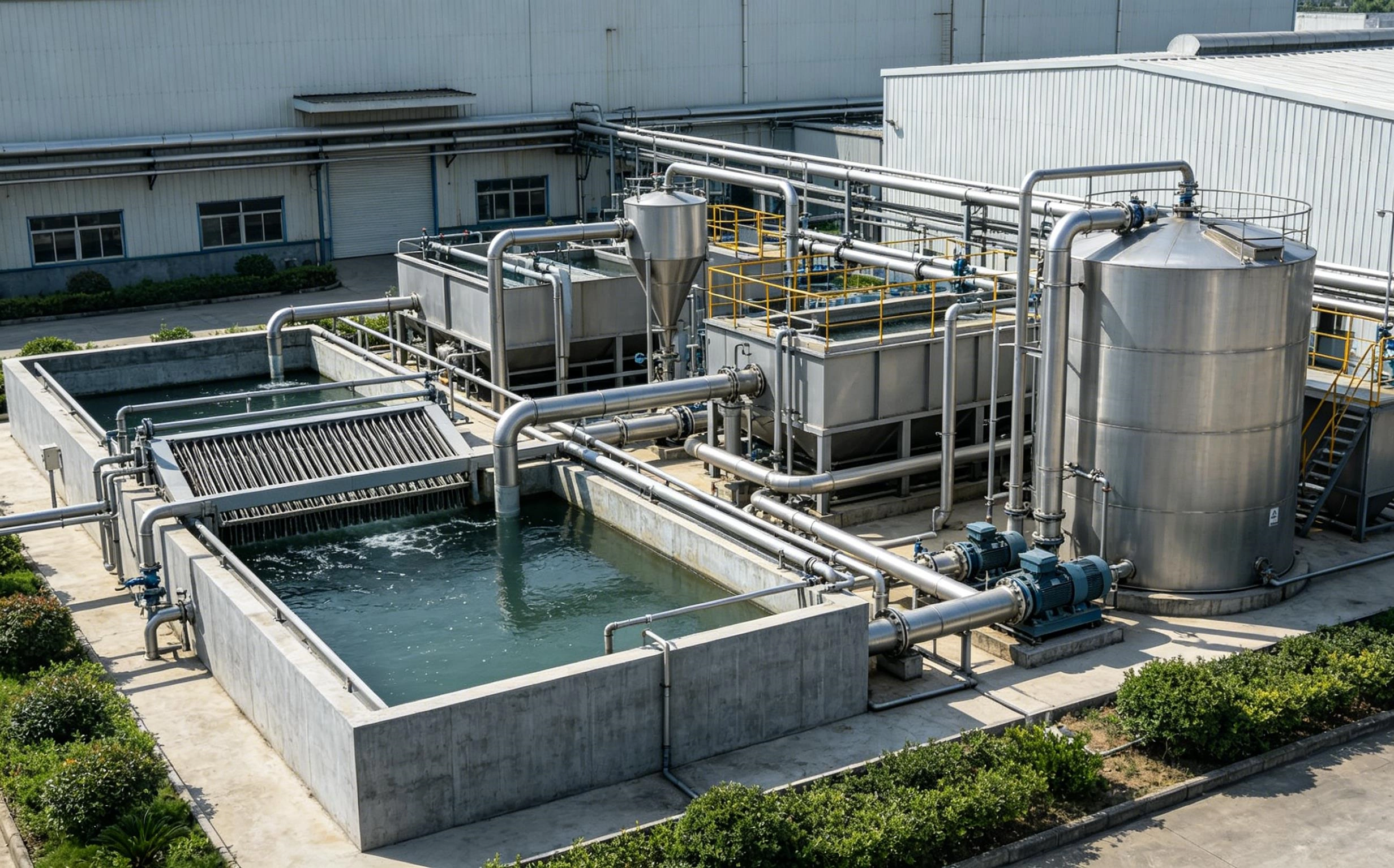
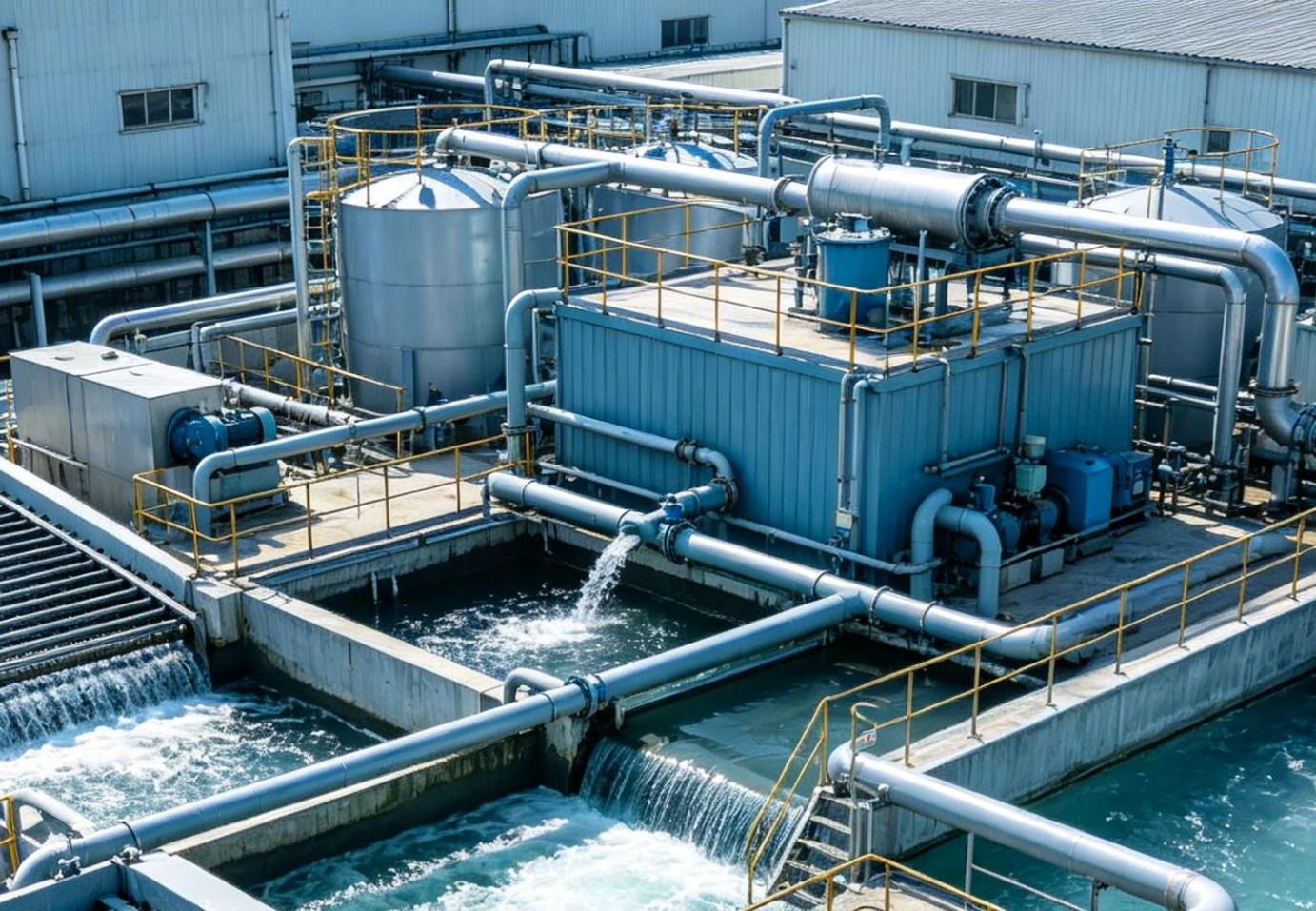
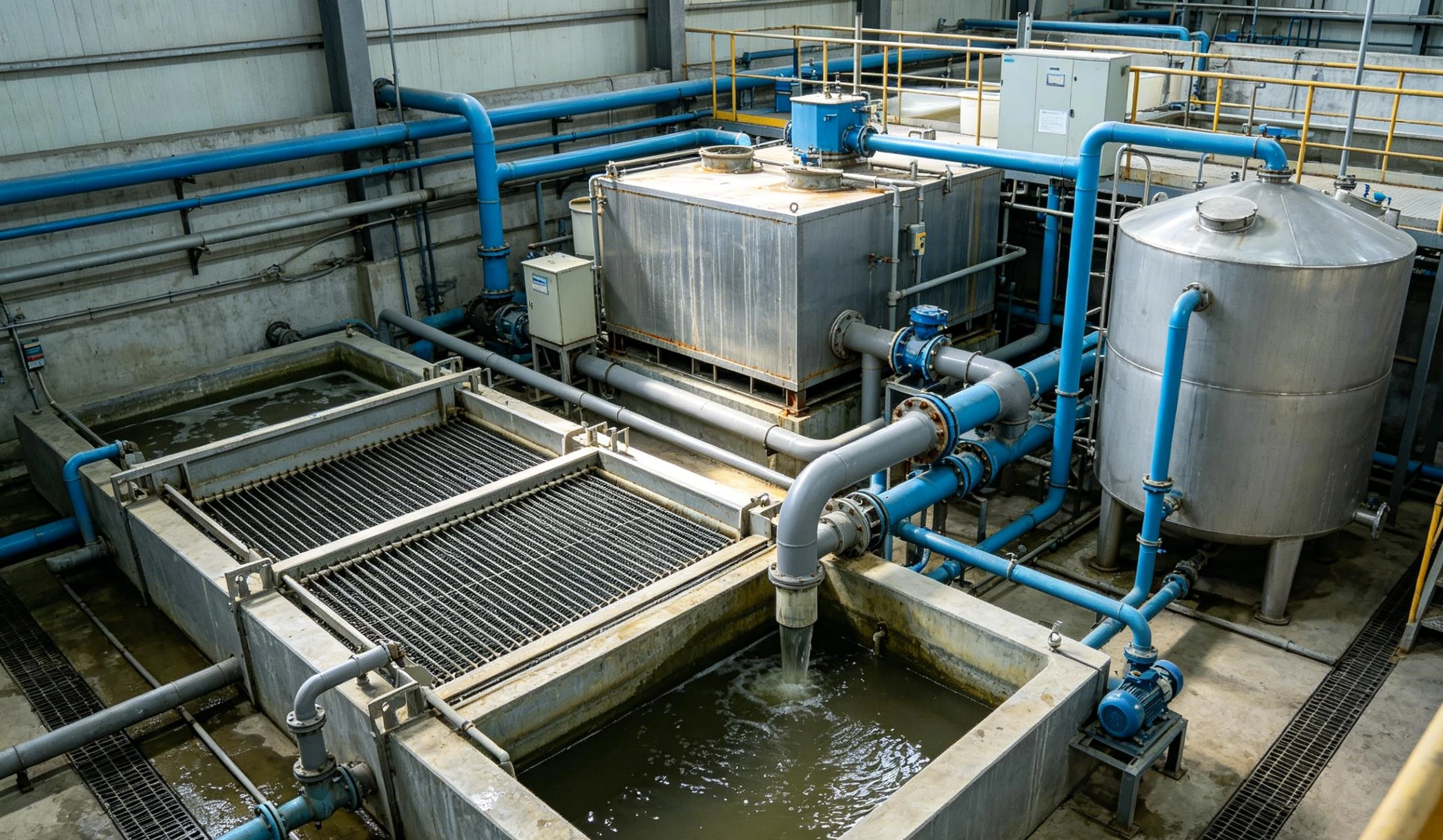
The wastewater from the paper industry is mainly high-concentration organic wastewater, containing lignin, residual alkali, sulfides, chlorides and other pollutants. Its characteristics are large wastewater volume, high COD concentration, a large amount of fiber suspended solids in the wastewater, and the presence of divalent sulfur elements, high color, and a sulfur-containing malodorous smell. The main sources of papermaking wastewater are: pulp waste liquid (black liquor), mid-stage water, and paper machine white water. Papermaking wastewater causes severe pollution to surrounding water bodies and ecological damage. According to recent statistics, the wastewater discharge volume of the national papermaking and paper industry accounts for 10% to 12% of the total wastewater discharge volume in the country, ranking third; the chemical oxygen demand (COD) in the discharged wastewater accounts for 40% to 45% of the total discharge volume, ranking first.
The volume of papermaking wastewater is large, there are many pollution factors, the wastewater concentration is moderate, and the biodegradability is poor. This process has important practical value for achieving low investment, low operating costs, high stability and comprehensive compliance in the treatment of wastewater from recycled paper production.
Product Introduction
I. Process Selection
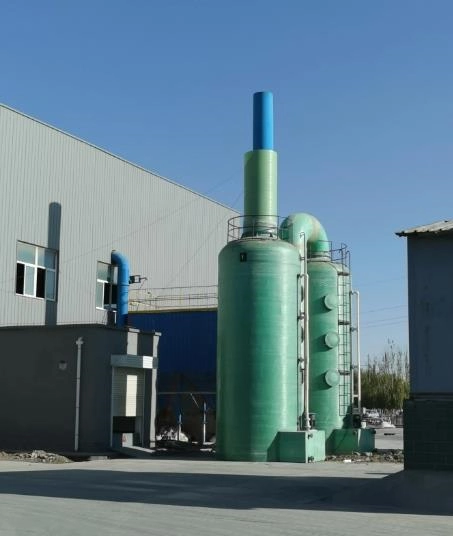
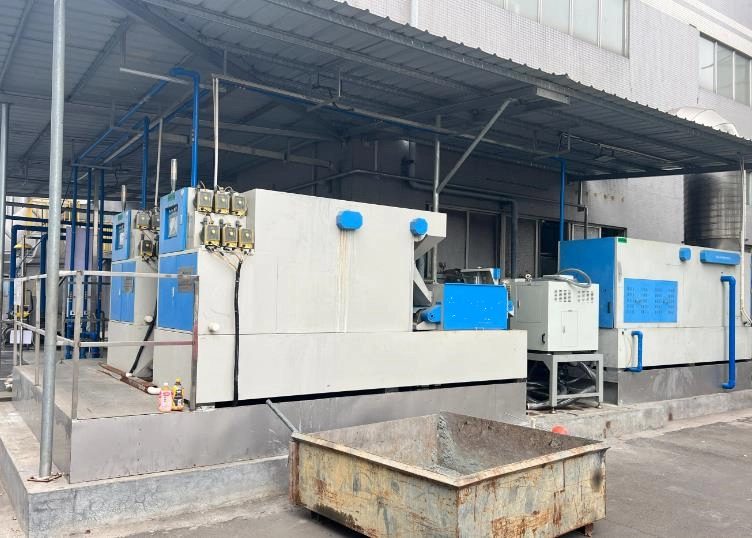
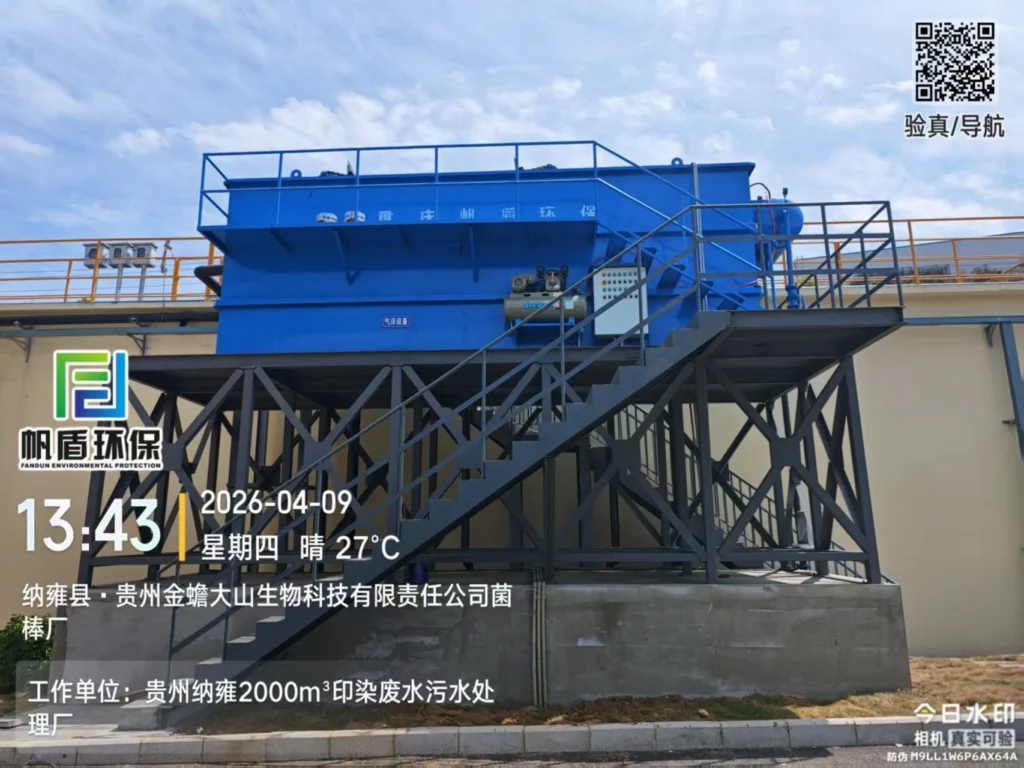
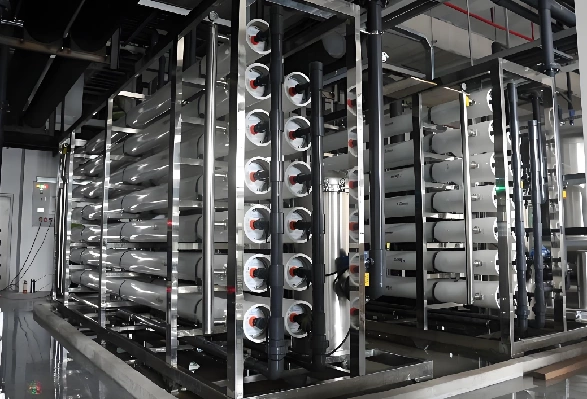
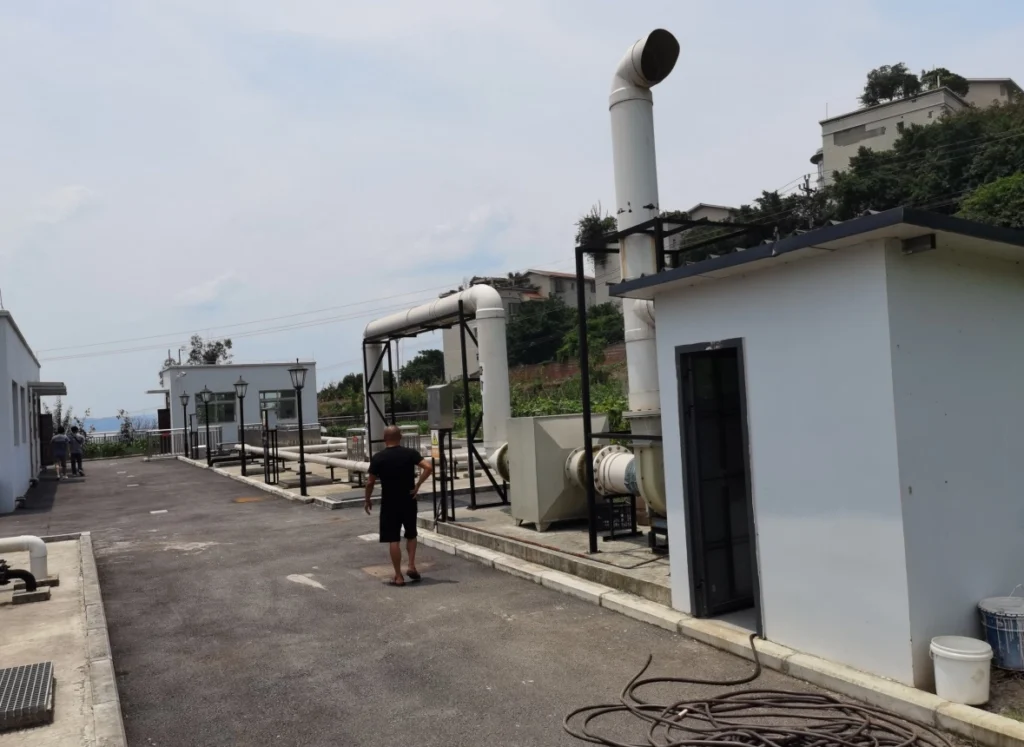
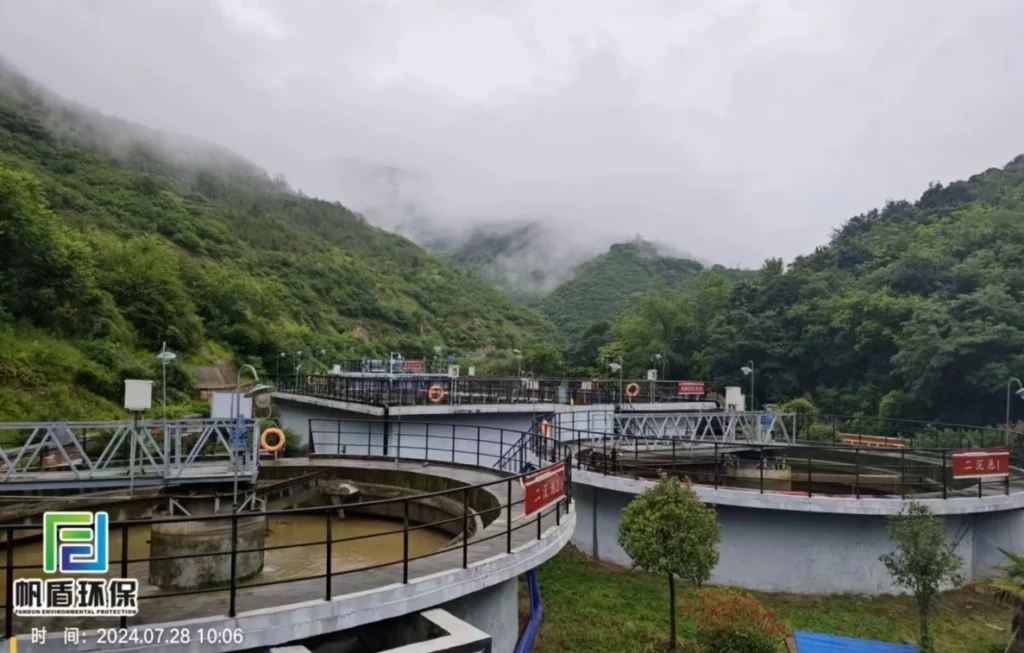
The wastewater is treated using a combination of technologies: wastewater treatment, grille, primary sedimentation tank, regulating tank, shallow air flotation, acidification tank, aerobic tank, secondary sedimentation tank, and decolorization tank. After passing through the grille, the wastewater enters the primary sedimentation tank and regulating tank for preliminary treatment. Then, through efficient shallow air flotation, the suspended solids in the wastewater are further removed. Finally, after being treated by the acidification and aerobic biological systems, the effluent meets the discharge standards.
II. Types of wastewater from paper mills:
1. Suspended solids: These include both sedimentable and non-sedimentable suspended solids, mainly consisting of fibers and fine fiber debris (i.e., broken fiber fragments and miscellaneous cells).
2. Biodegradable organic matter: This includes low-molecular-weight hemicellulose, methanol, acetic acid, formic acid, sugars, etc.
3. Non-biodegradable organic matter: Mainly derived from lignin and large-molecule carbohydrates contained in the fiber raw materials.
4. Toxic substances: Rosin acid and unsaturated fatty acids are present in the black liquor.
5. Acid-base toxic substances: The pH value of alkaline pulping wastewater is 9-10; the pH value of acidic pulping wastewater is 1.2-2.0.
6. Color: The residual lignin in the pulping wastewater is highly colored.
III. Common Pre-treatment Methods for Paper Mill Sewage Treatment Equipment:
The main pre-treatment processes include: grating, screen, fiber recovery system, water volume and quality regulation, etc. Different pre-treatment methods can be adopted according to the different water quality of paper industry sewage to remove some pollutants and improve the water quality of the sewage, so as to achieve the best treatment effect of the entire sewage treatment equipment system.