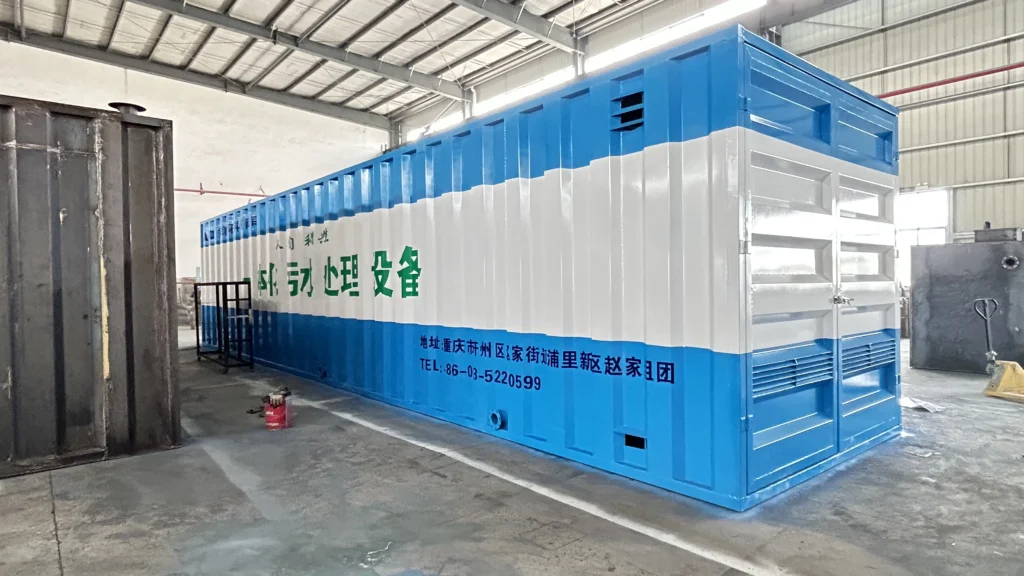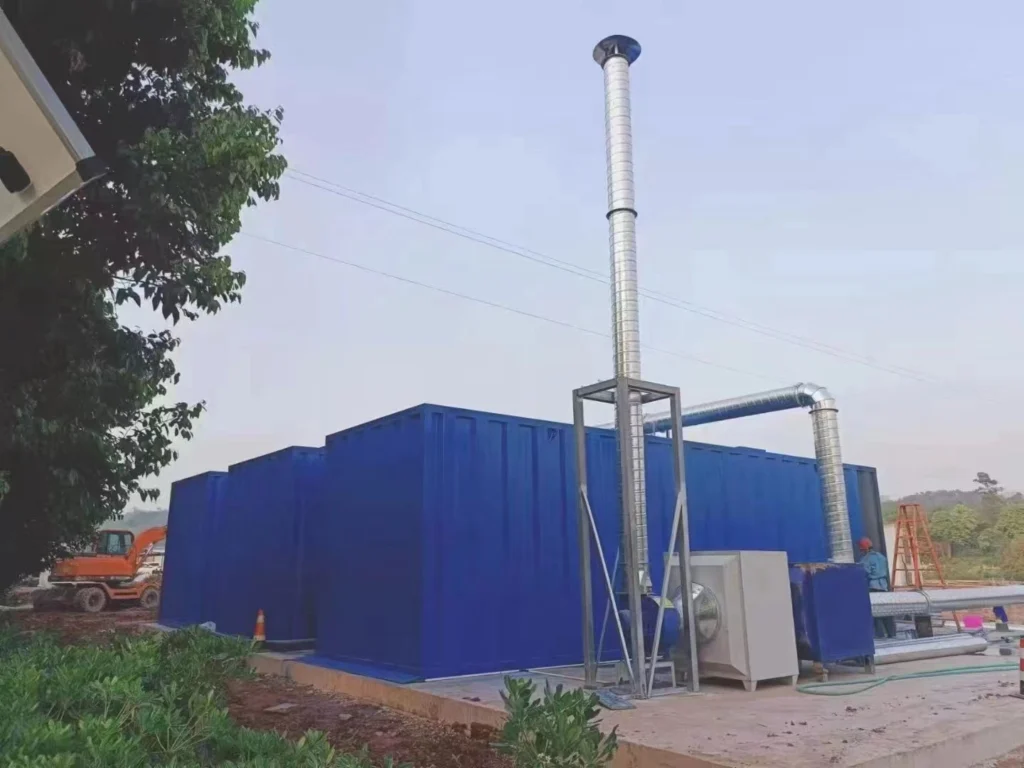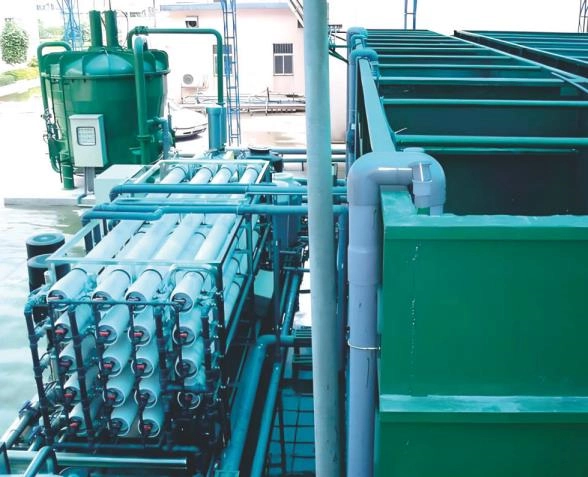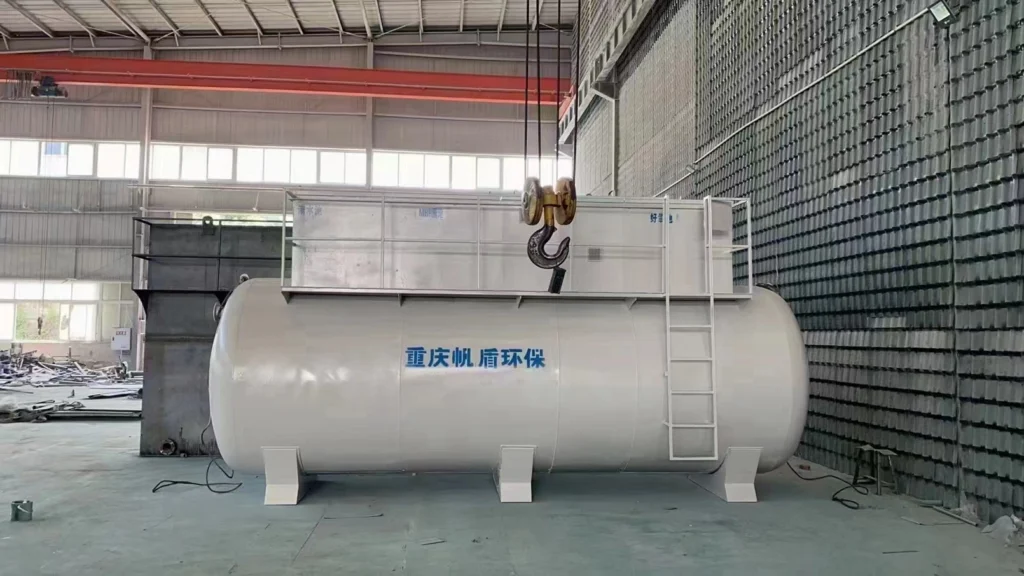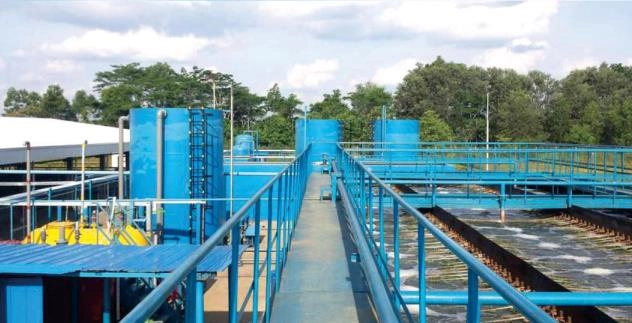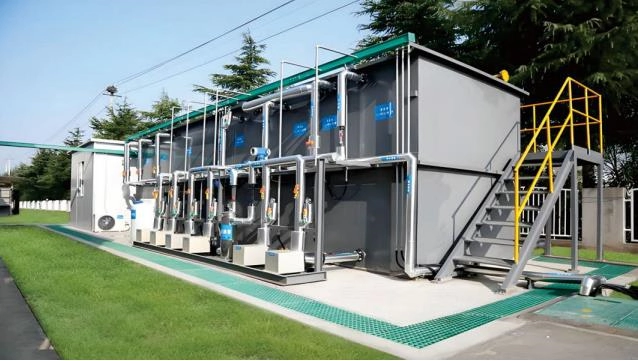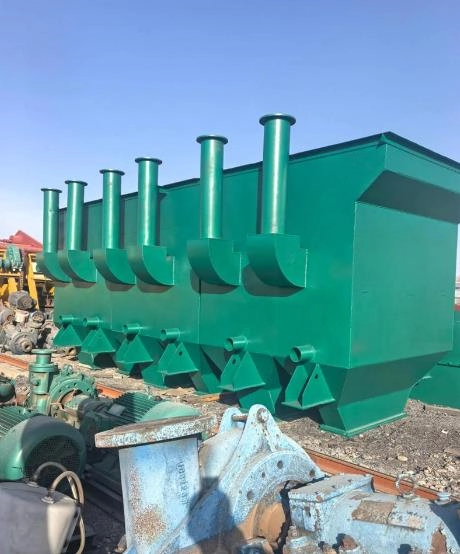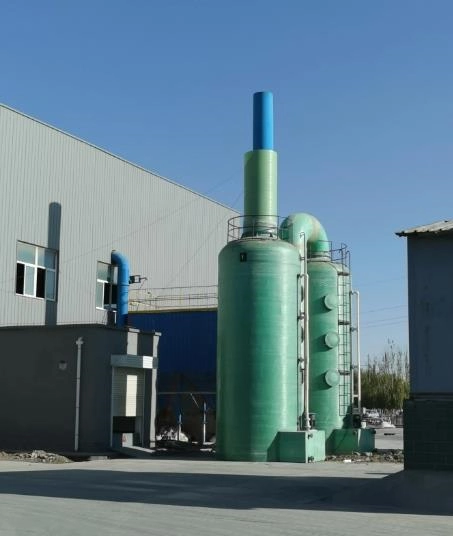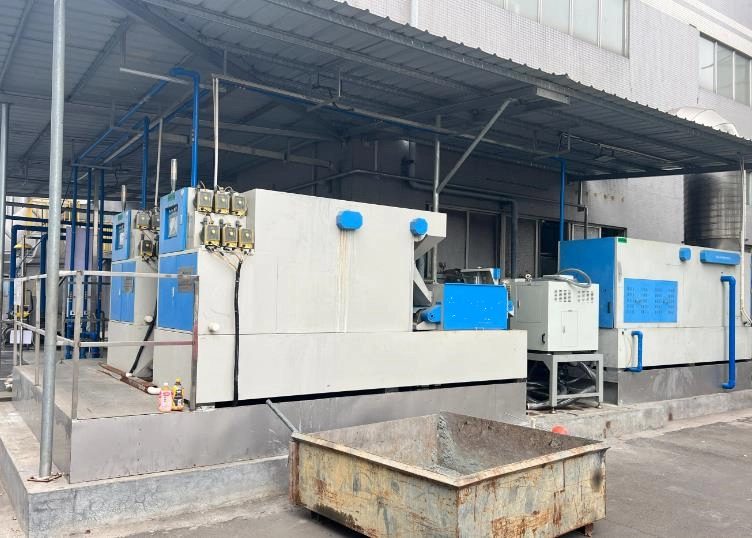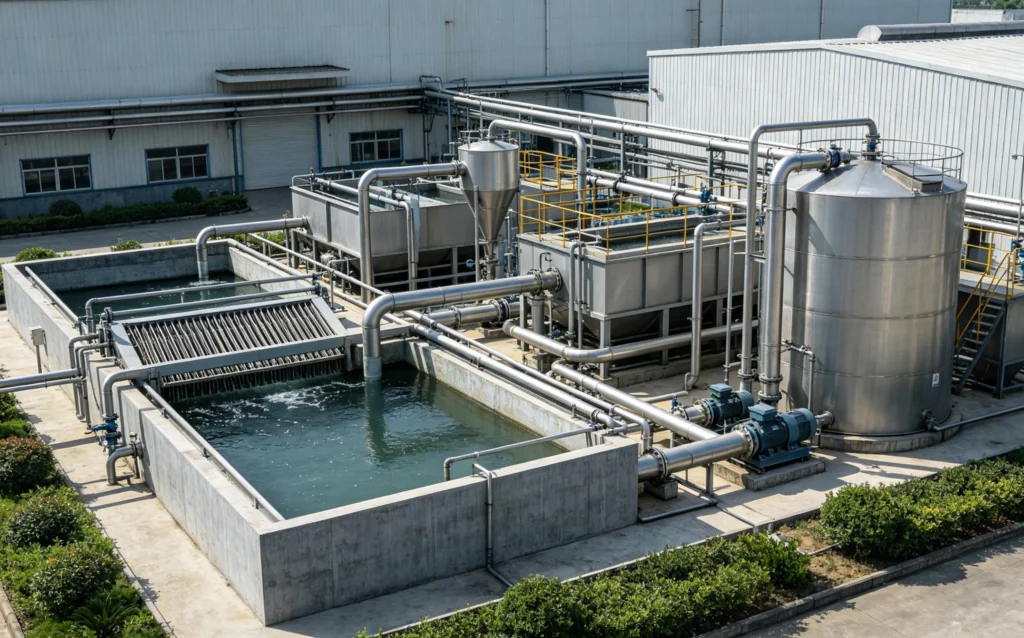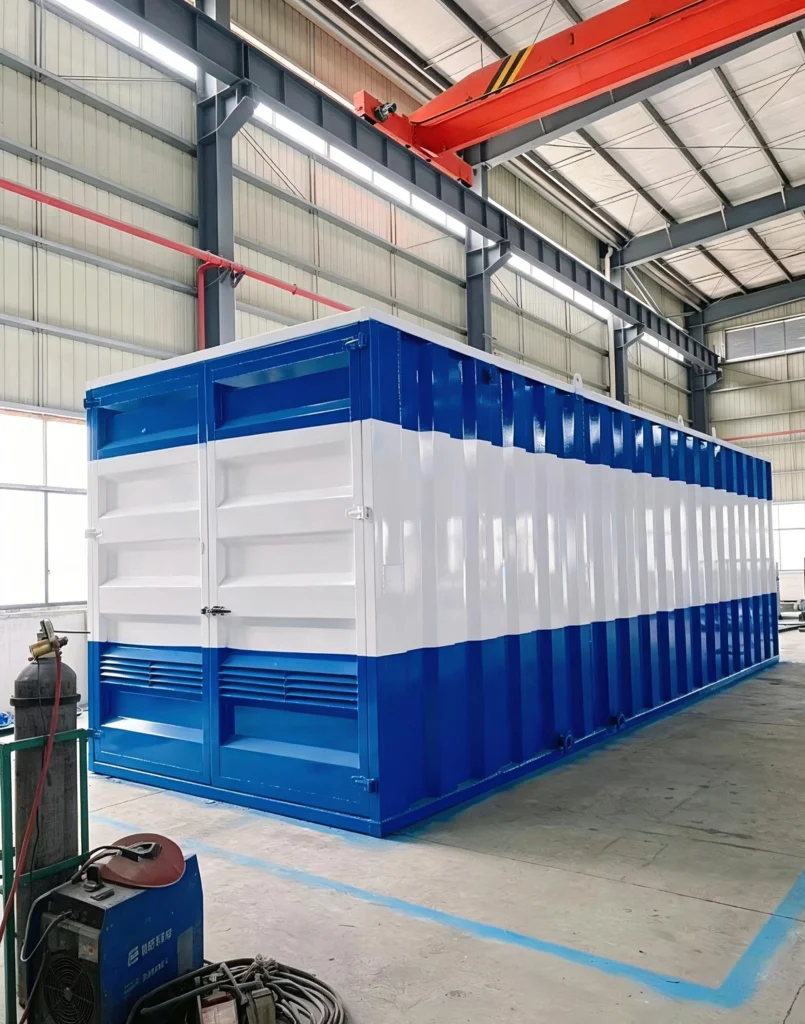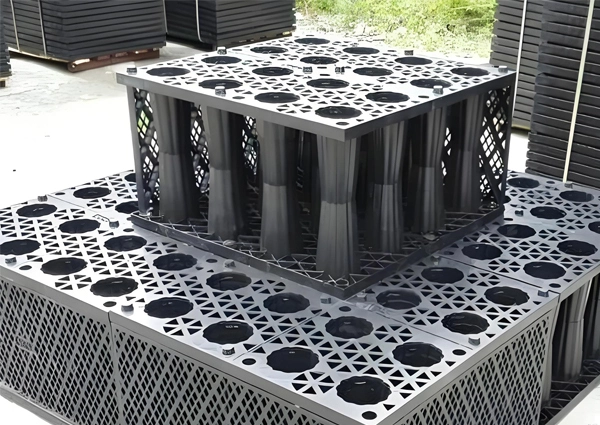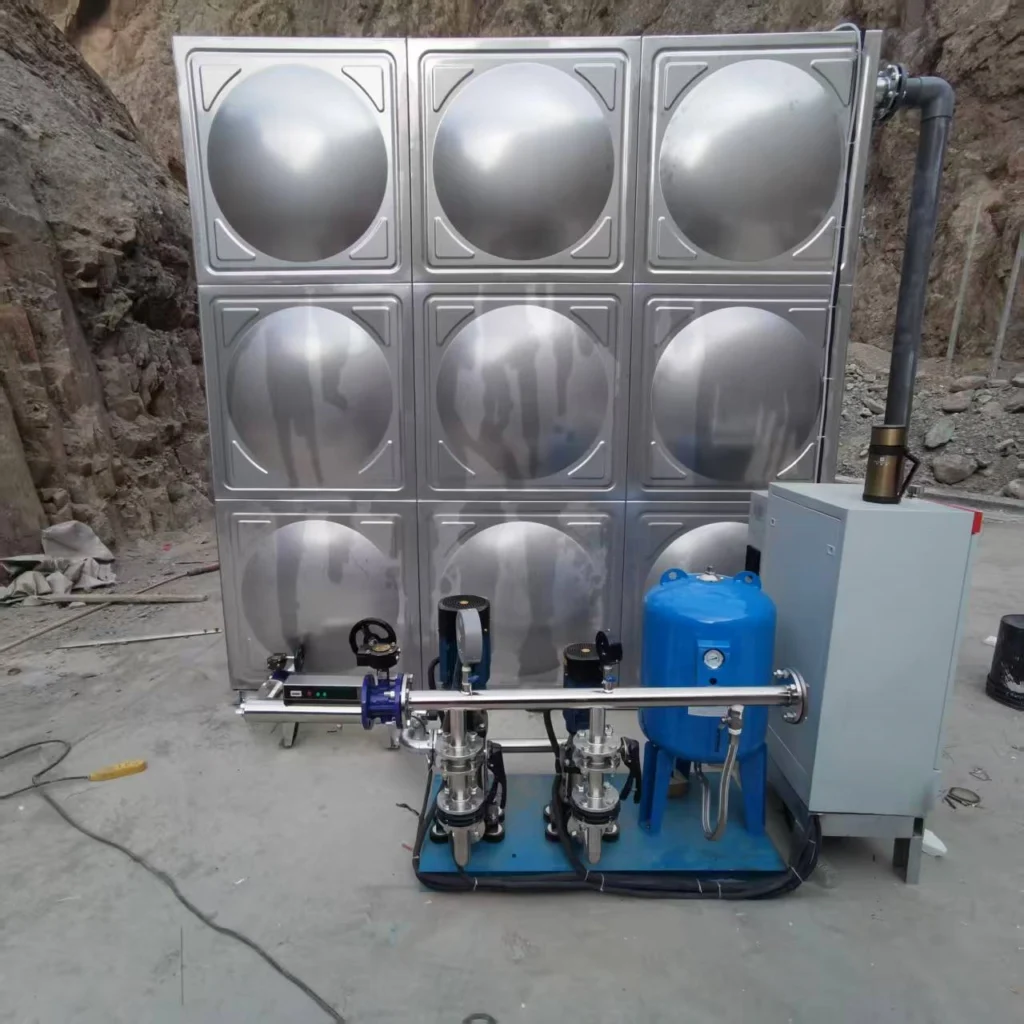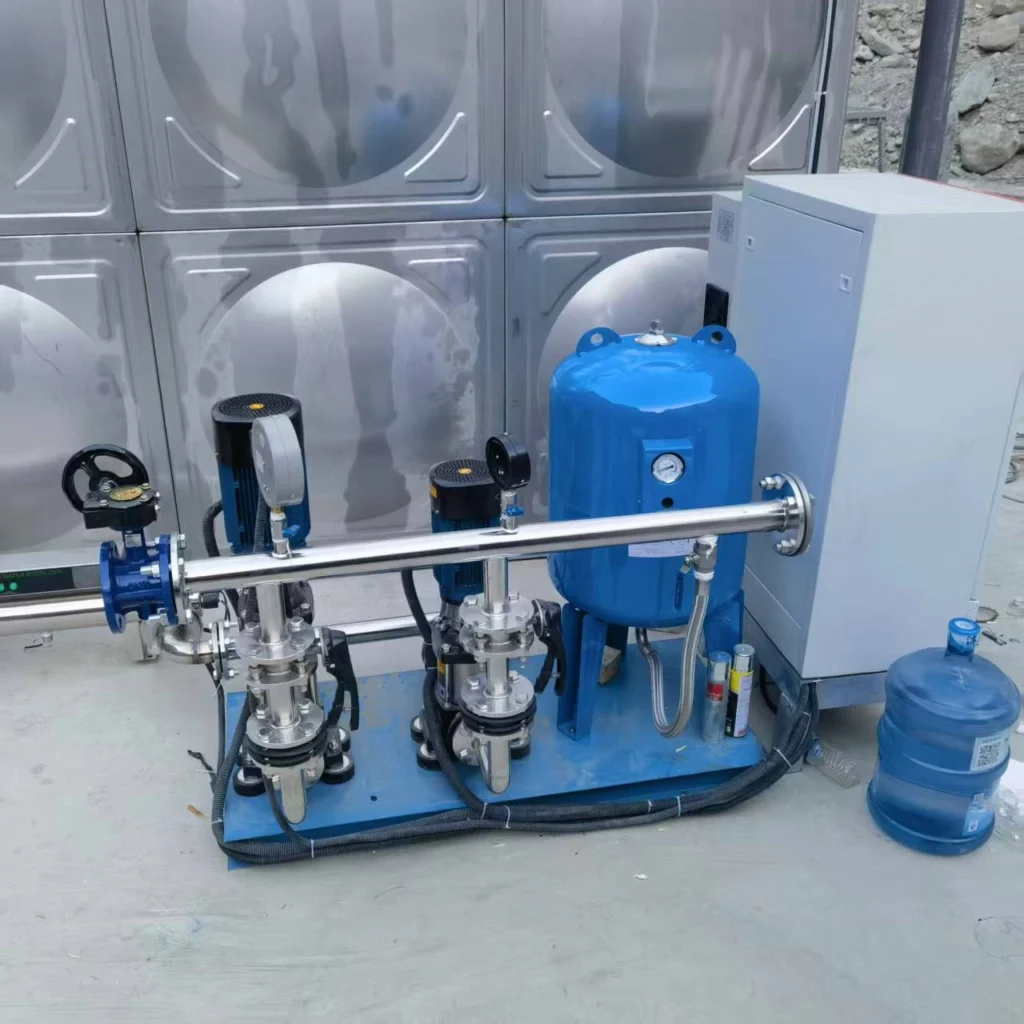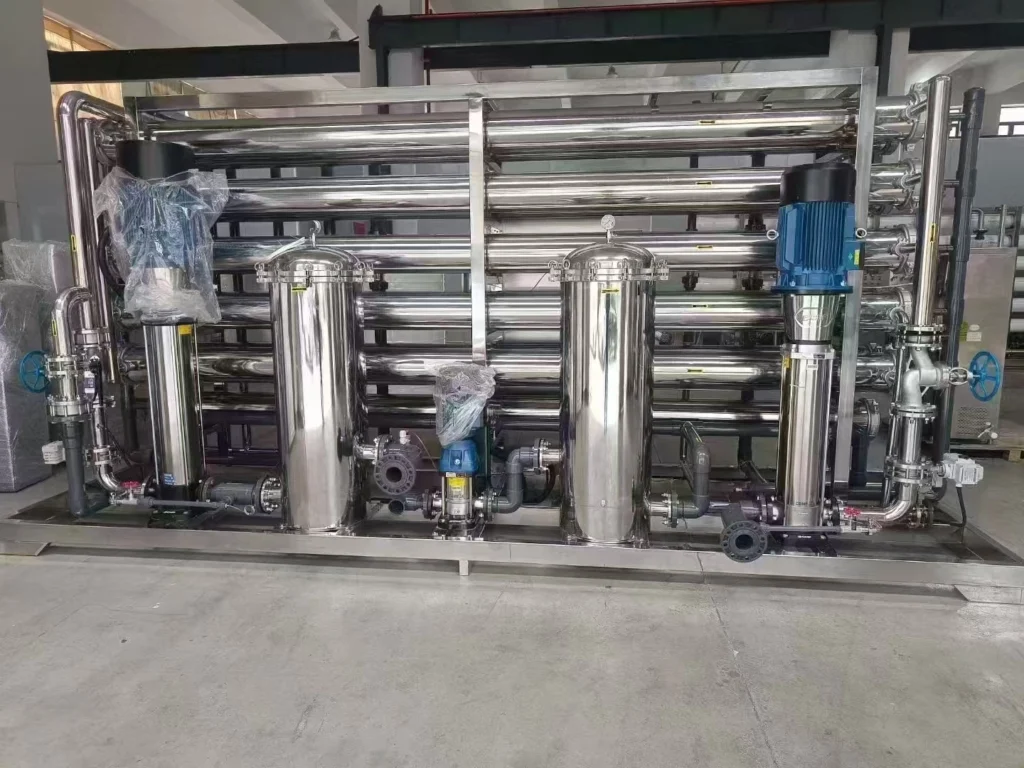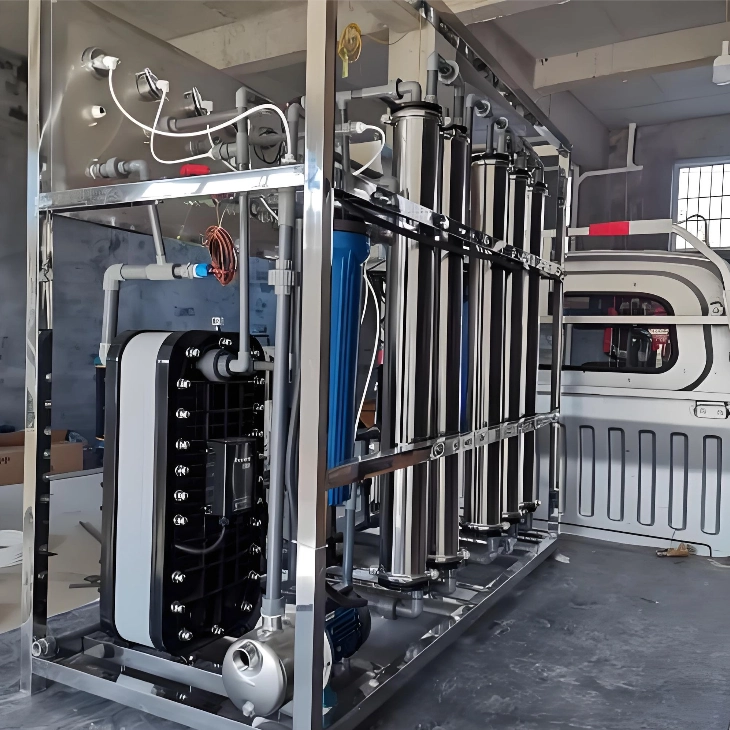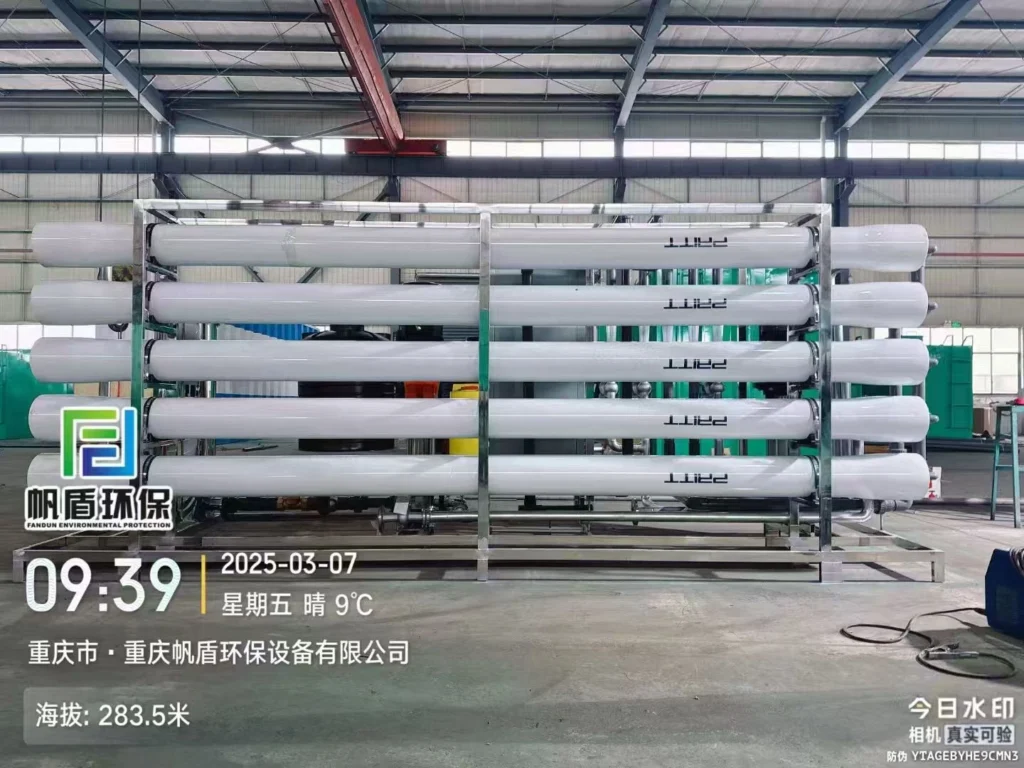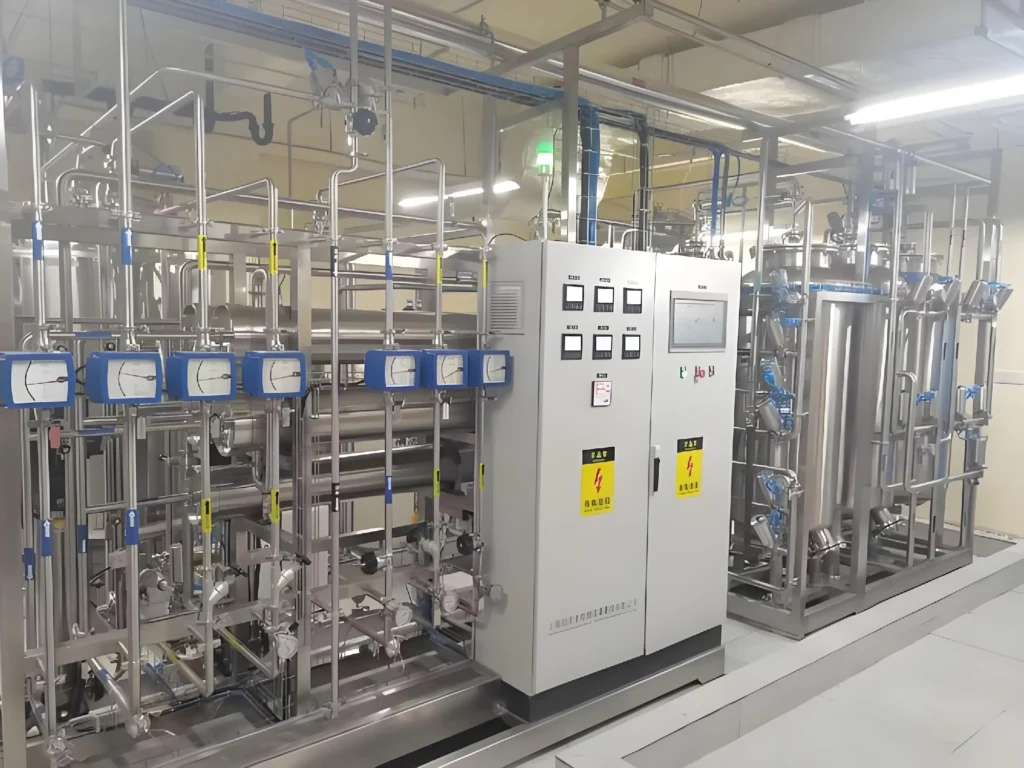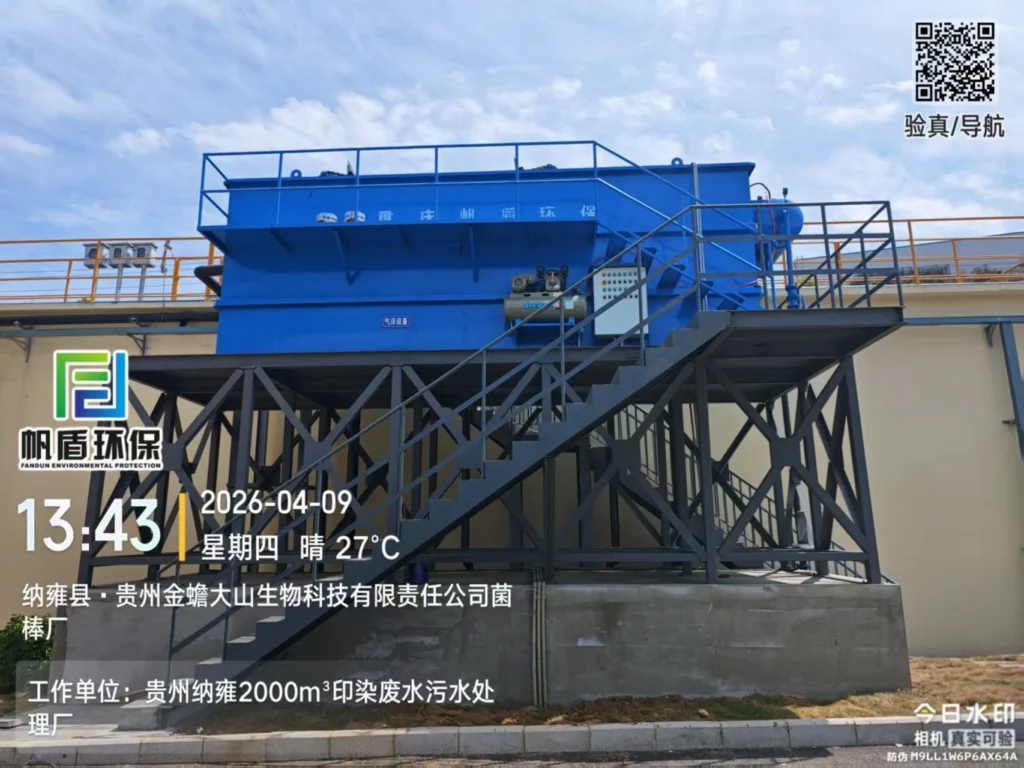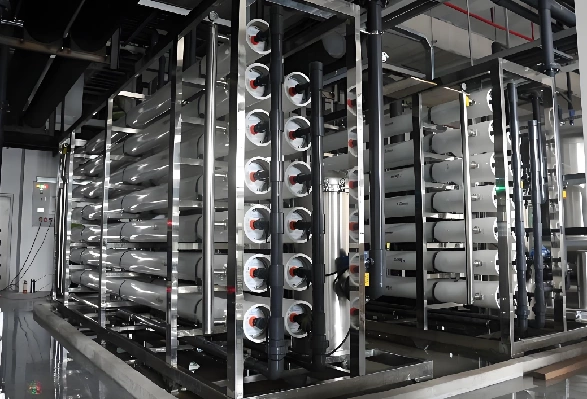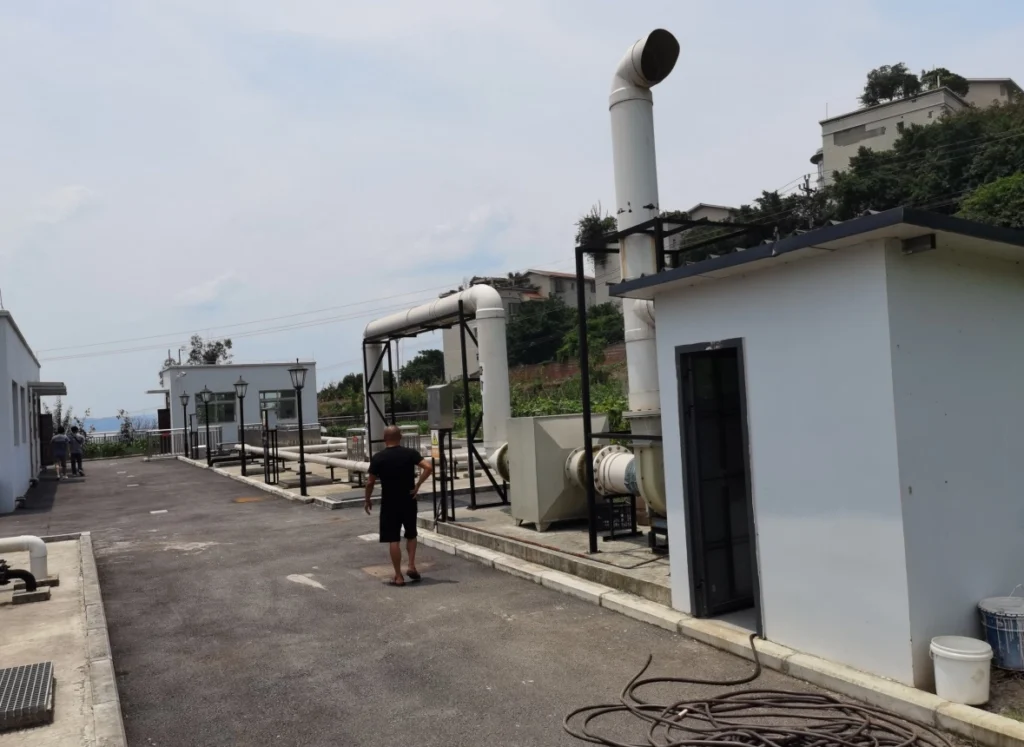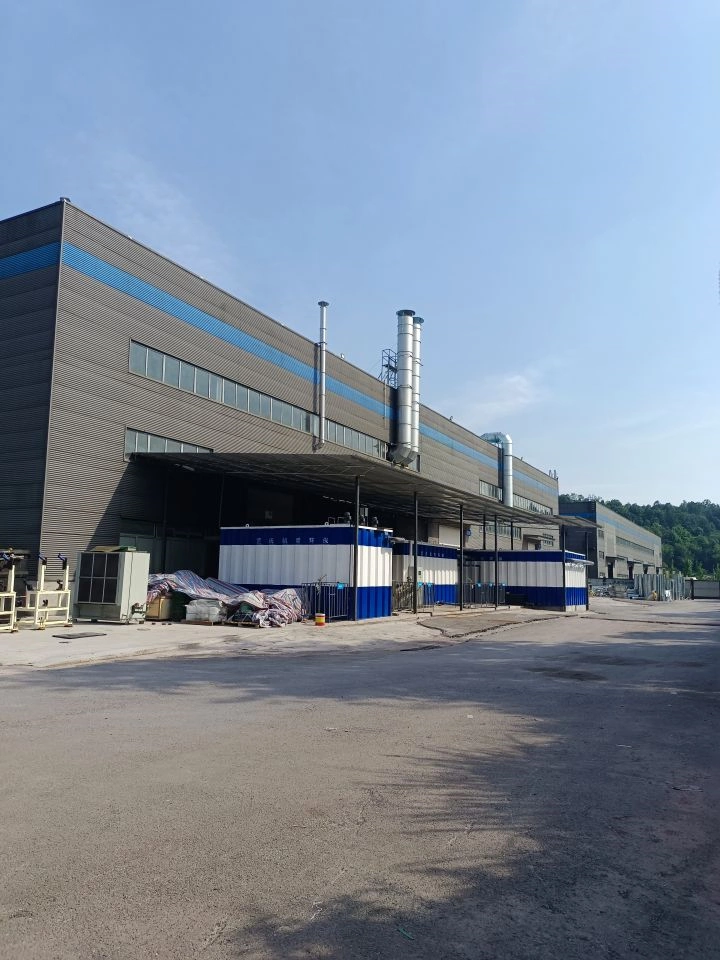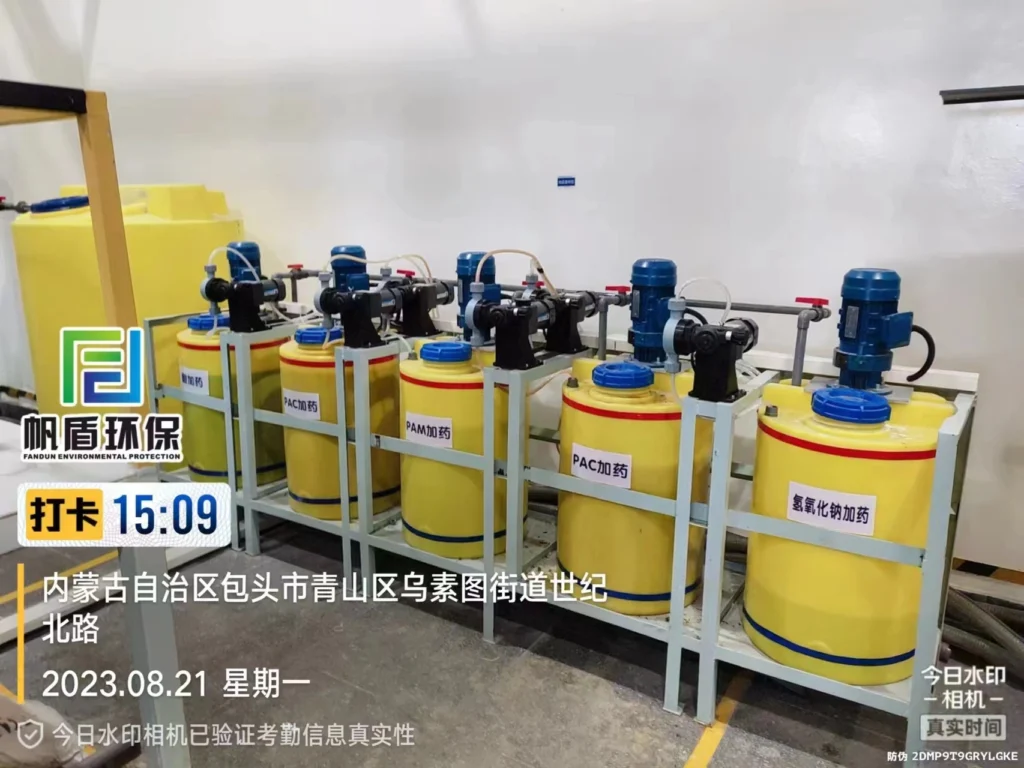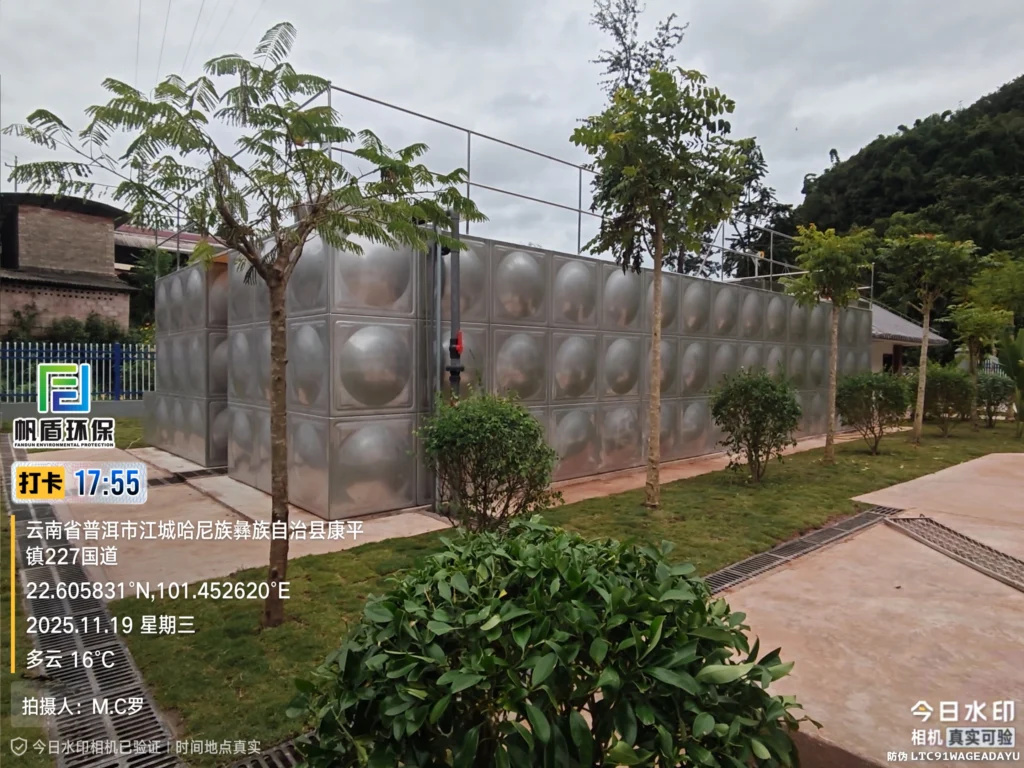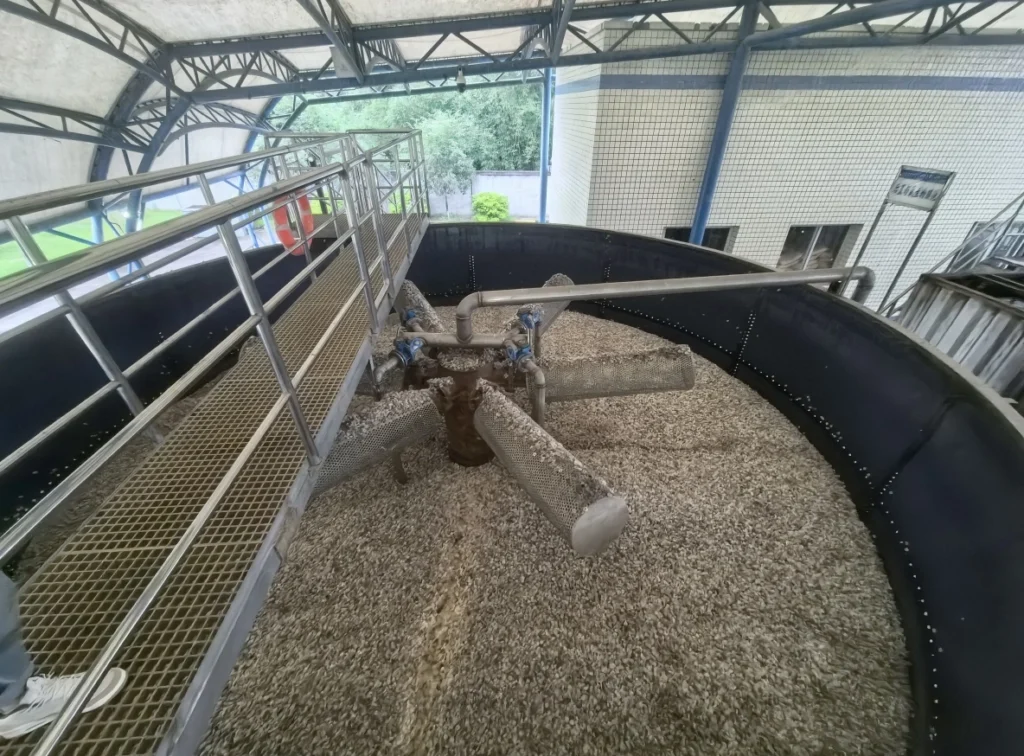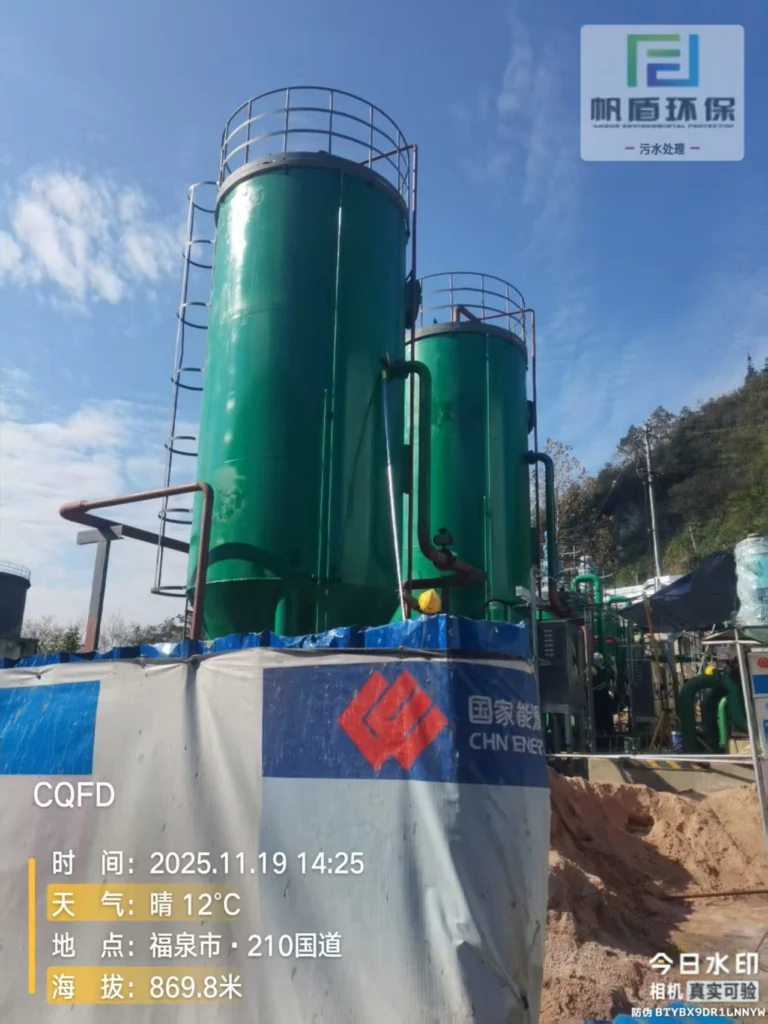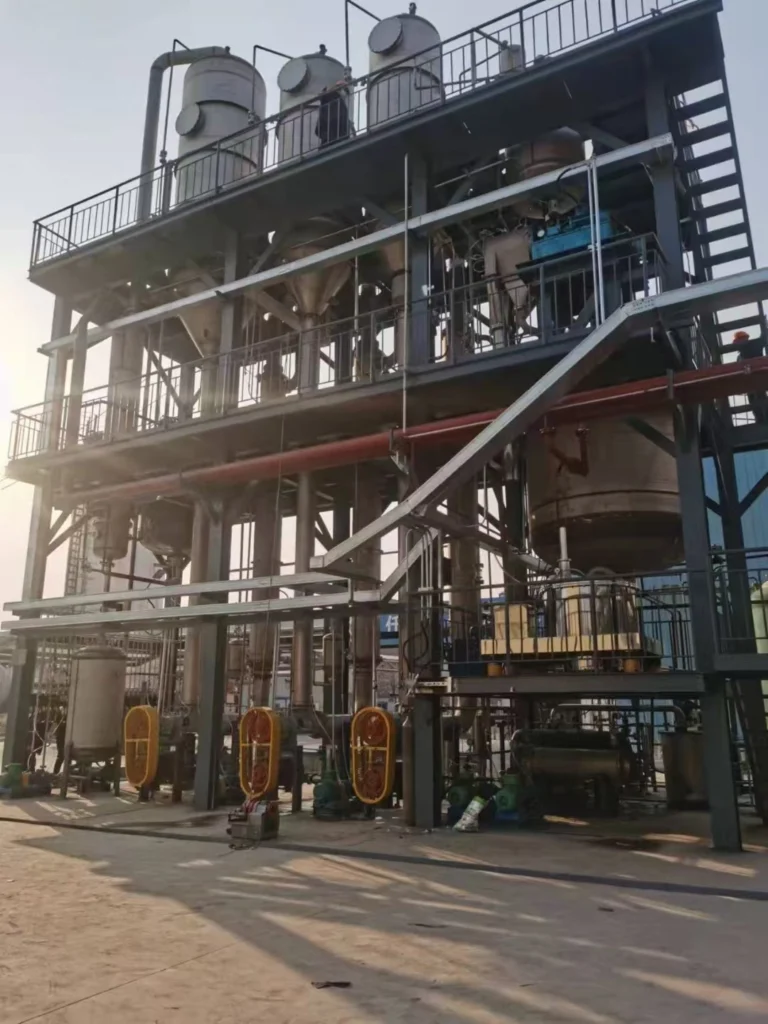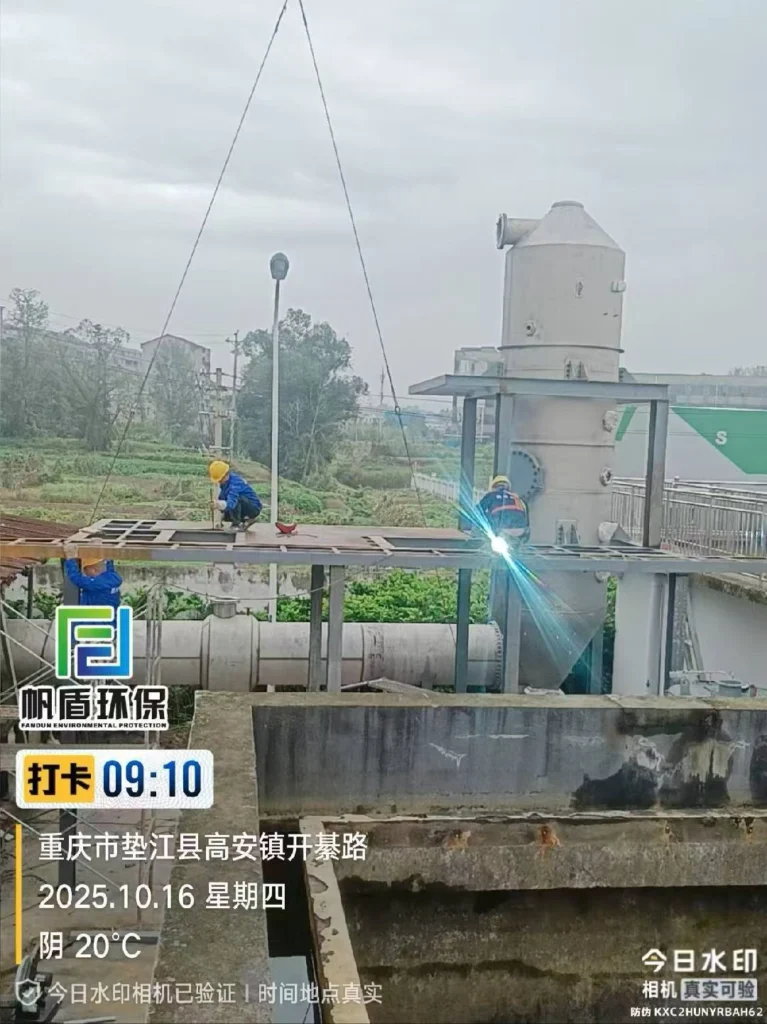
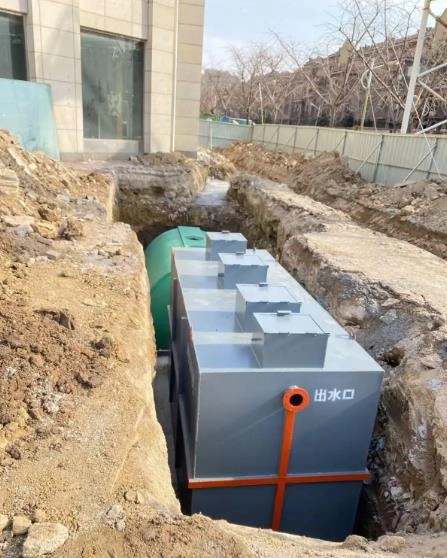
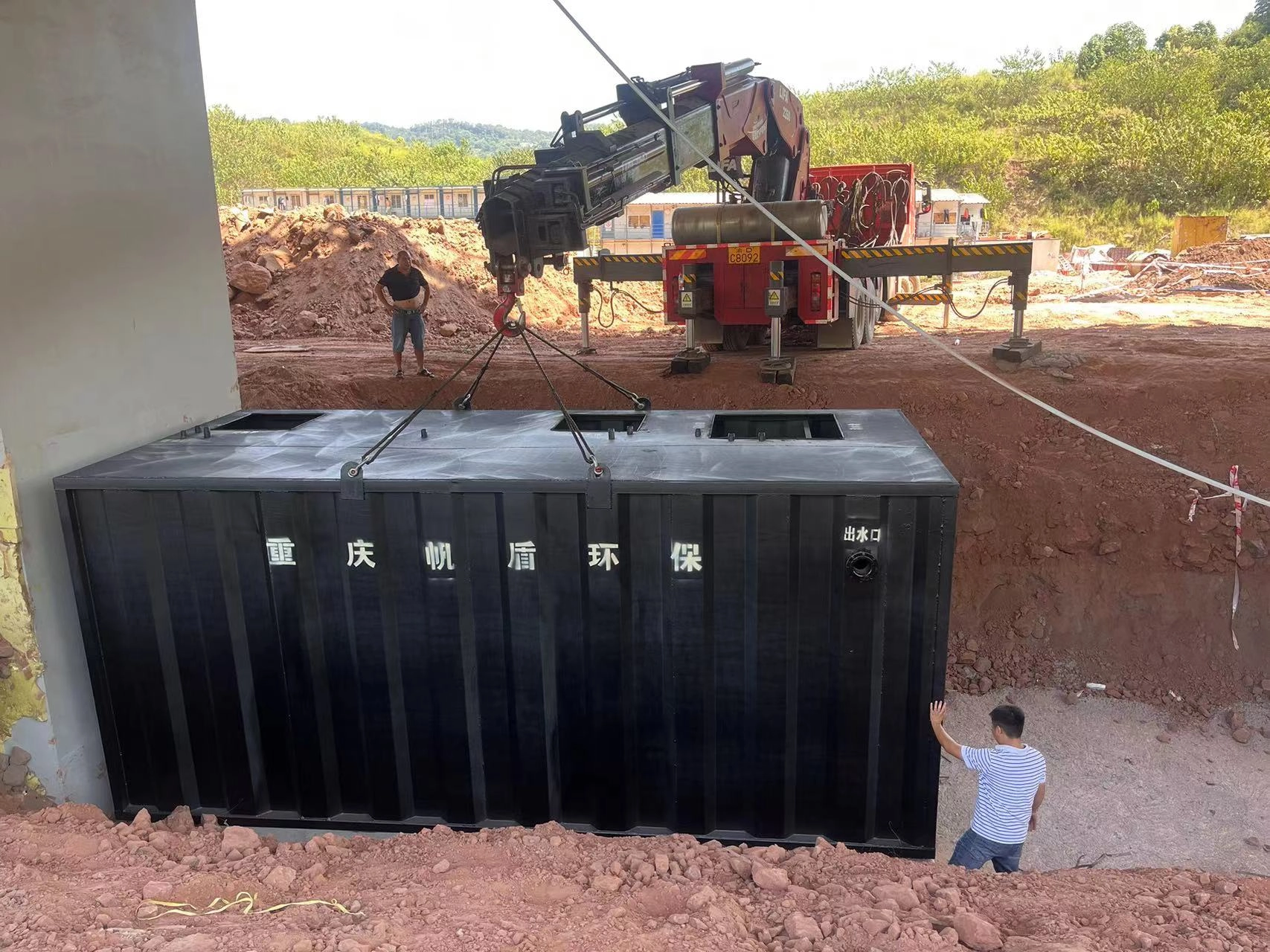
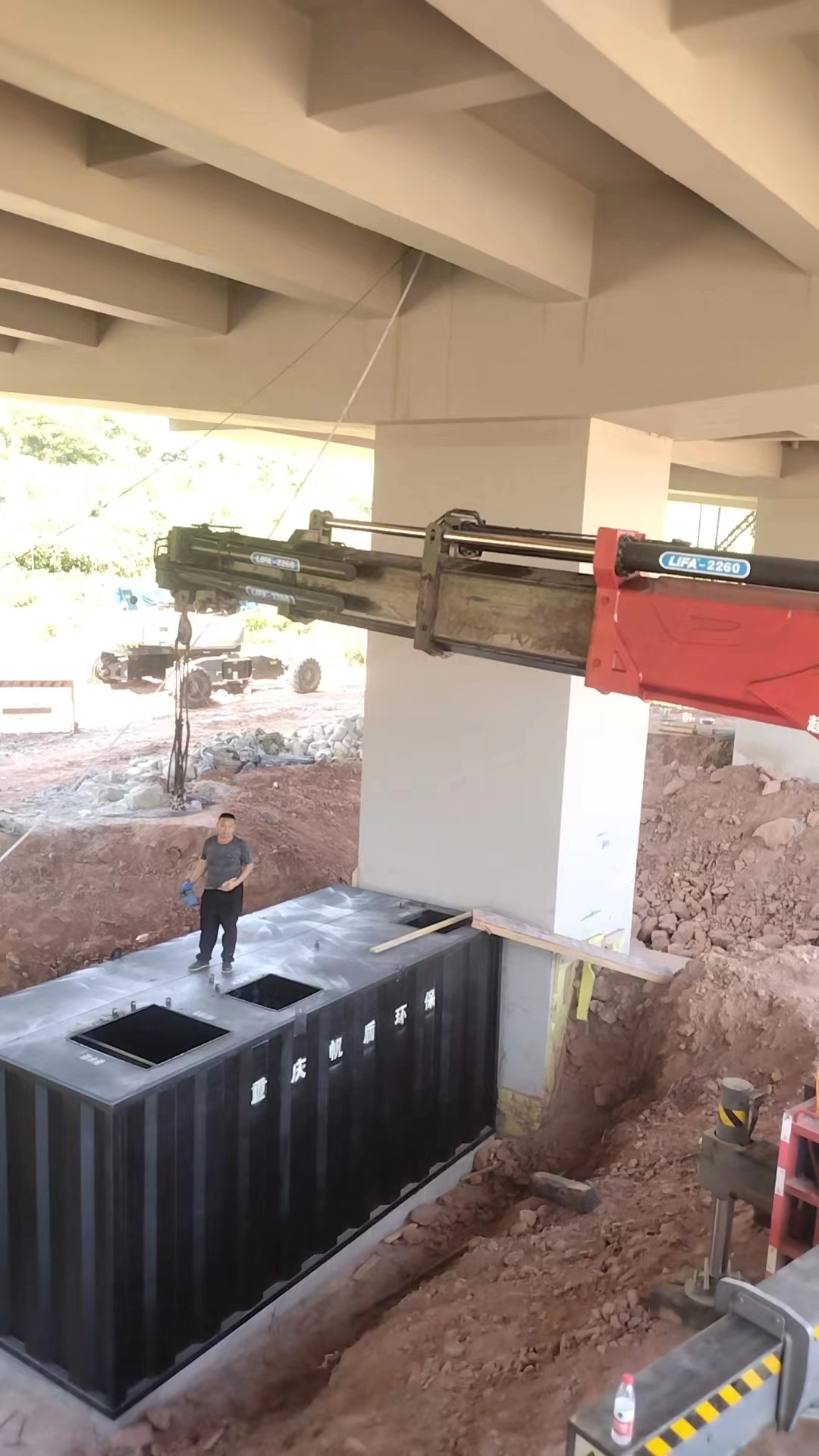
Underground medical wastewater treatment equipment
Hospital Sewage Treatment Equipment Selection Guide: Comprehensive Consideration Based on Hospital ScaleThe selection of hospital sewage treatment equipment is a complex and crucial process, which directly affects the efficiency, effectiveness, economic operation and safety of hospital sewage treatment. Based on the different scales of hospitals, a comprehensive consideration is conducted from multiple dimensions such as treatment capacity, water quality, discharge standards, land area, operation cost, technical maturity, operation and maintenance, environmental protection and safety.
Product Introduction
Hospital Sewage Treatment Equipment Selection Guide: Comprehensive Consideration Based on Hospital Scale
The selection of hospital sewage treatment equipment is a complex and crucial process, which directly affects the efficiency, effectiveness, economic operation and safety of hospital sewage treatment. Based on the different scales of hospitals, a comprehensive consideration is conducted from multiple dimensions such as treatment capacity, water quality, discharge standards, land area, operation cost, technical maturity, operation and maintenance, environmental protection and safety. The following is a detailed explanation of these aspects:
1. Treatment capacity assessment
Firstly, based on data such as the number of hospital beds, daily outpatient volume, and surgical volume, the daily generation volume of hospital wastewater and the treatment demand during peak periods should be scientifically predicted. Smaller hospitals may have a smaller treatment capacity requirement, while large comprehensive hospitals may need to handle a large amount of wastewater with high concentration. Treatment capacity assessment is the basis for equipment selection, ensuring that the selected equipment can meet the actual needs of the hospital and avoiding overcapacity or insufficient capacity in the treatment.
2. Water Quality Analysis
Due to the differences in medical activities among various hospitals, the types and concentrations of harmful substances contained in the wastewater also vary. Therefore, conducting a detailed water quality analysis is of utmost importance. By testing indicators such as pathogens, organic matter, heavy metals, and drug residues in the wastewater, the types and concentration ranges of pollutants can be determined, providing a basis for selecting appropriate treatment processes and equipment.
3. Emission Standards
The state and local authorities have clearly stipulated emission standards for hospital wastewater, including the limit values for various indicators in the effluent water quality. When selecting equipment, it is necessary to ensure that the selected equipment can meet or exceed the local emission standards, avoiding environmental protection issues caused by non-compliance with the standards.
4. Floor Area
Hospital land is usually scarce, so the floor area of the equipment is also an important factor to consider during the selection process. Based on the existing vacant land resources of the hospital and its future development plans, choose wastewater treatment equipment with an appropriate floor area and a reasonable layout, to minimize the impact on the hospital’s daily operations.
5. Operating Costs
The operating costs of the equipment include energy consumption, chemical consumption, maintenance expenses, etc. During the selection process, factors such as the energy efficiency ratio of the equipment, the demand and price of chemicals, maintenance difficulty and cycle should be comprehensively considered. Choose equipment with lower operating costs to reduce the long-term operating costs of the hospital.
6. Technology Maturity
The maturity of technology directly affects the reliability and stability of the equipment. Choosing equipment that has been verified by the market and is technologically mature can reduce the failure rate and maintenance costs, and increase the service life of the equipment.
7. Operation and Maintenance
The operation and maintenance of hospital wastewater treatment equipment should be simple and easy to perform, so that hospital staff can easily master it. When selecting, attention should be paid to whether the operation interface of the equipment is user-friendly, whether the maintenance is convenient, and whether complete after-sales service and technical support are provided.
8. Environmental Protection and Safety
Hospital wastewater treatment equipment should have excellent environmental protection performance and safety features. During operation, the equipment should minimize noise, vibration, and the emission of harmful gases, ensuring no negative impact on the hospital environment and staff. At the same time, the equipment should be designed with safety protection measures to prevent accidents from occurring.
In conclusion, the selection of hospital wastewater treatment equipment is a systematic project that requires comprehensive consideration and weighing from multiple aspects. Only by scientifically and rationally choosing suitable wastewater treatment equipment based on the actual situation and requirements of the hospital can the hospital wastewater be effectively treated, meet environmental protection requirements, and ensure the health and safety of the hospital and the surrounding environment.