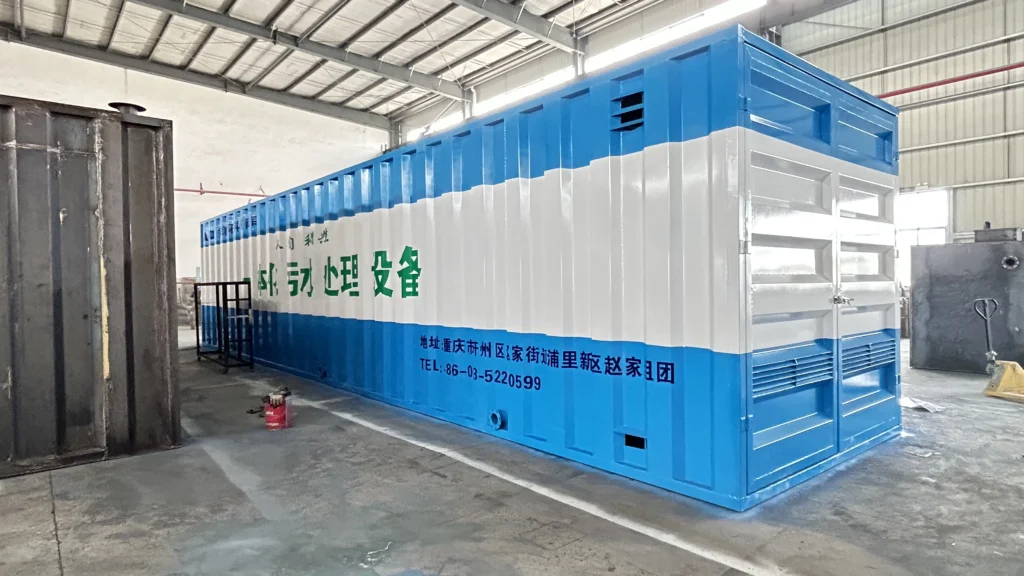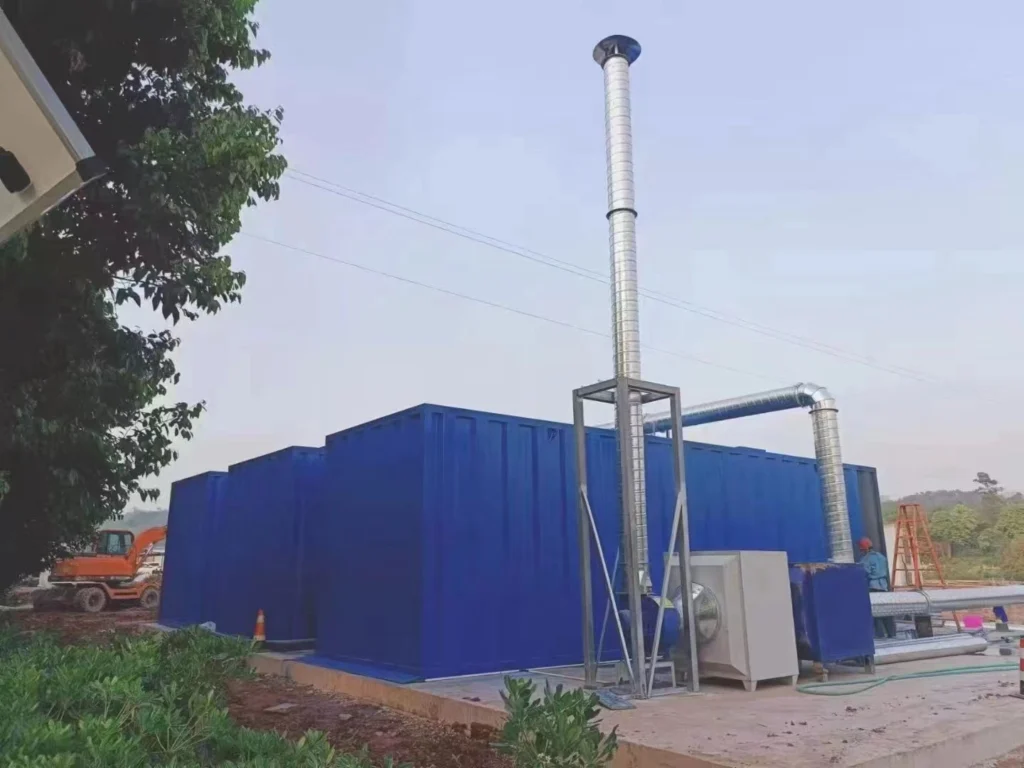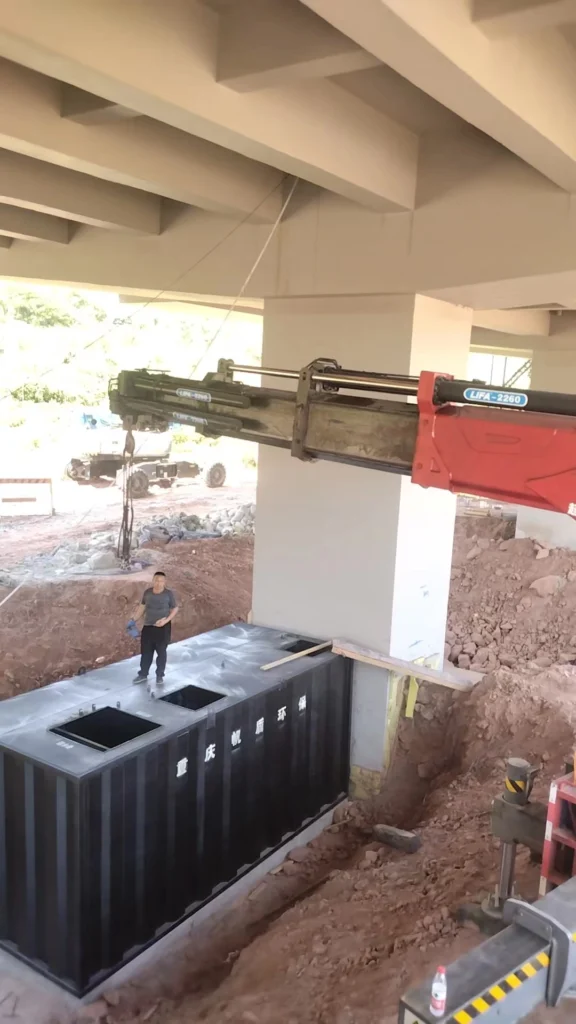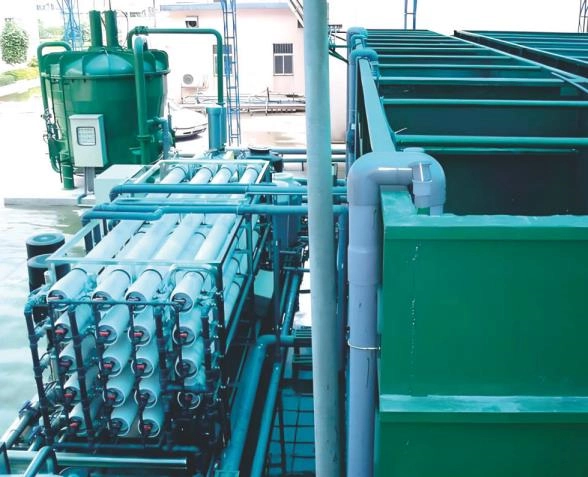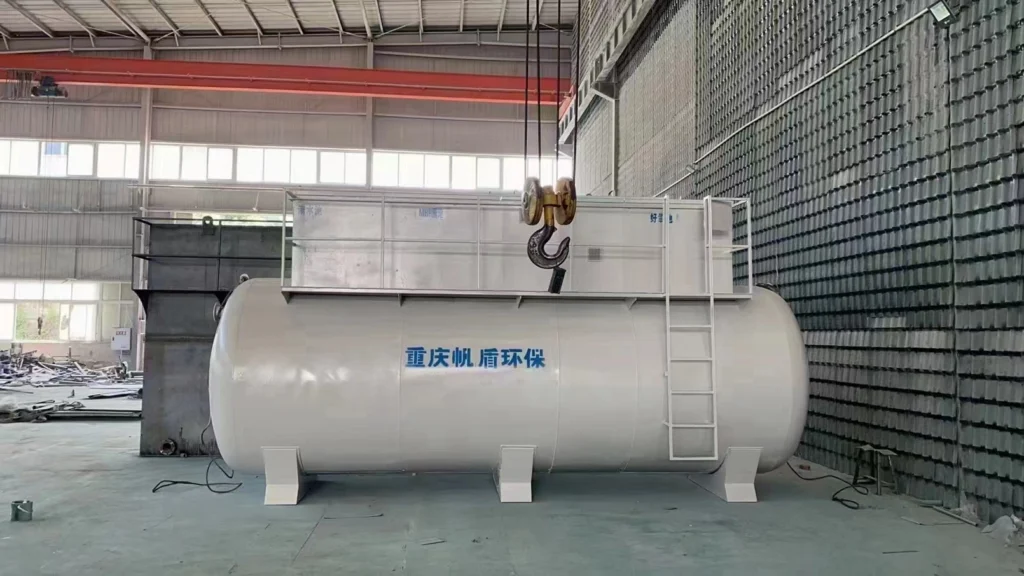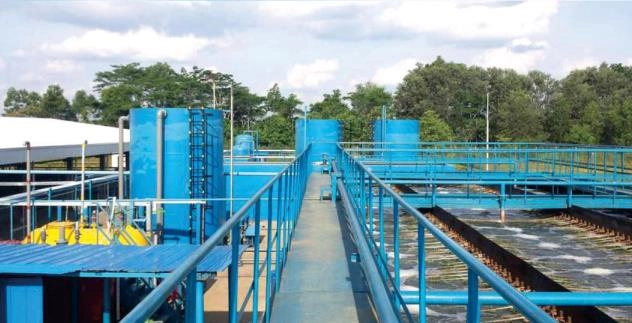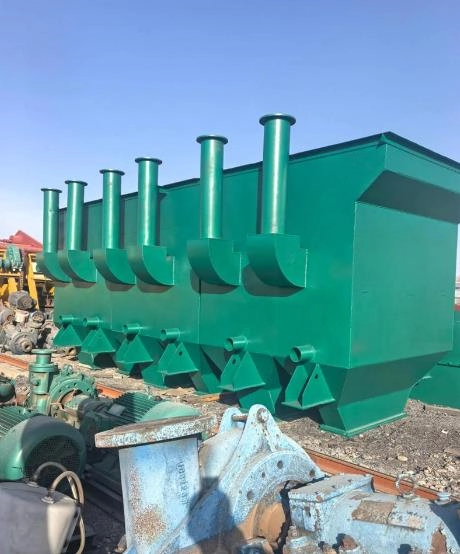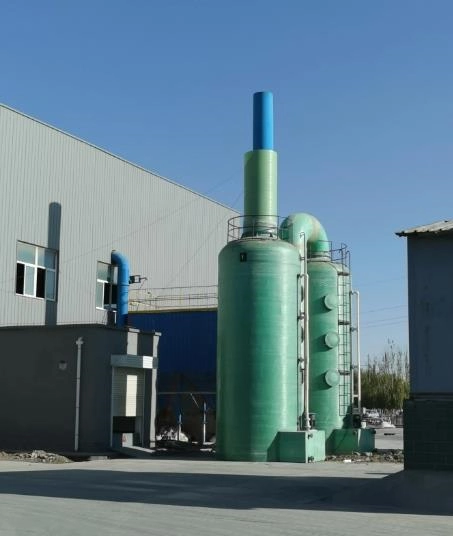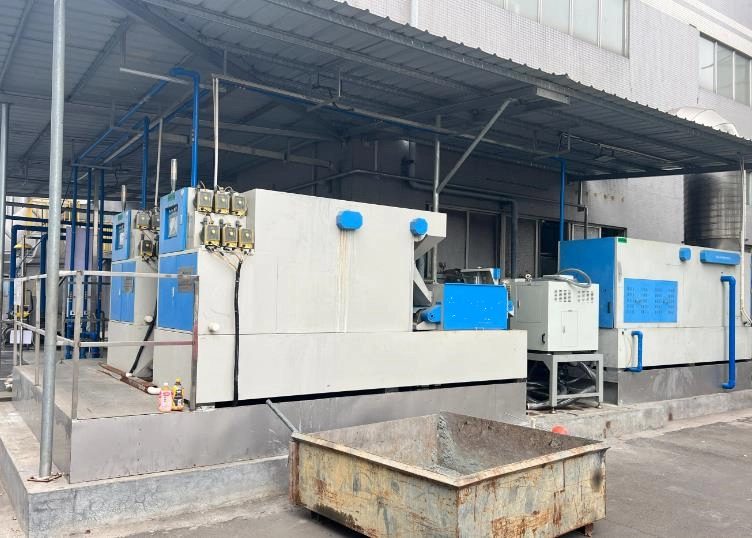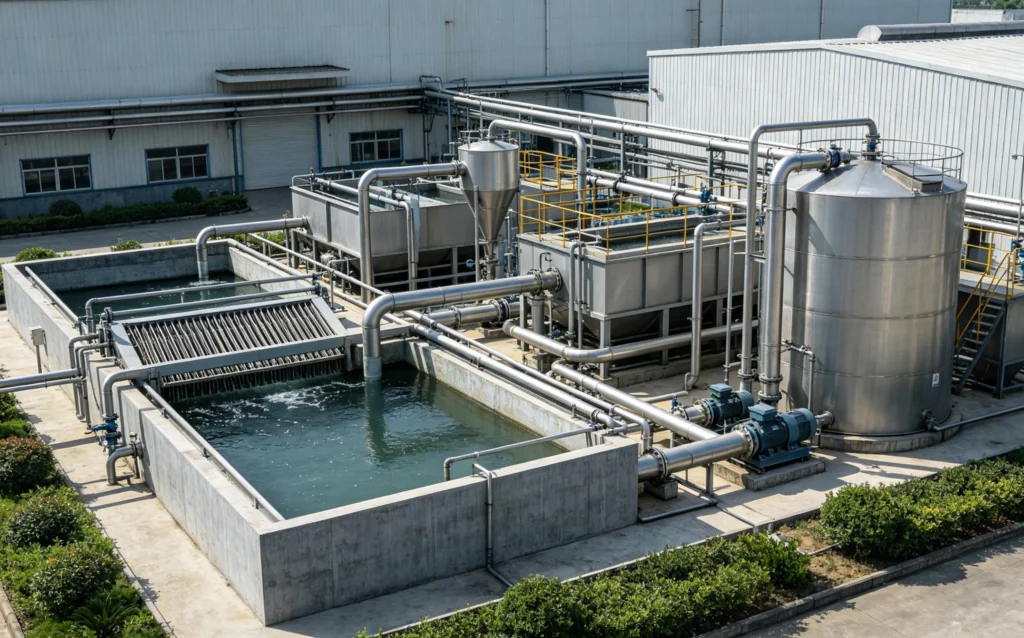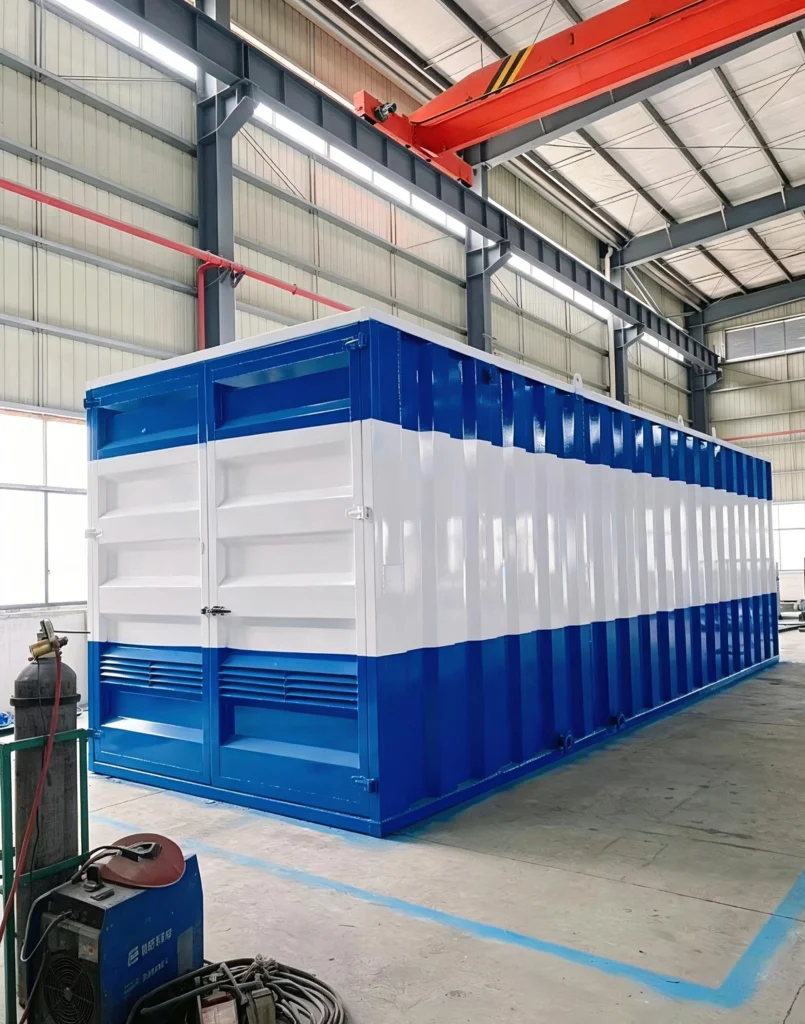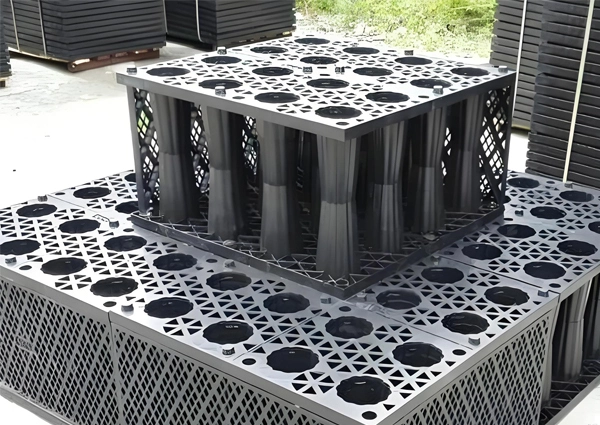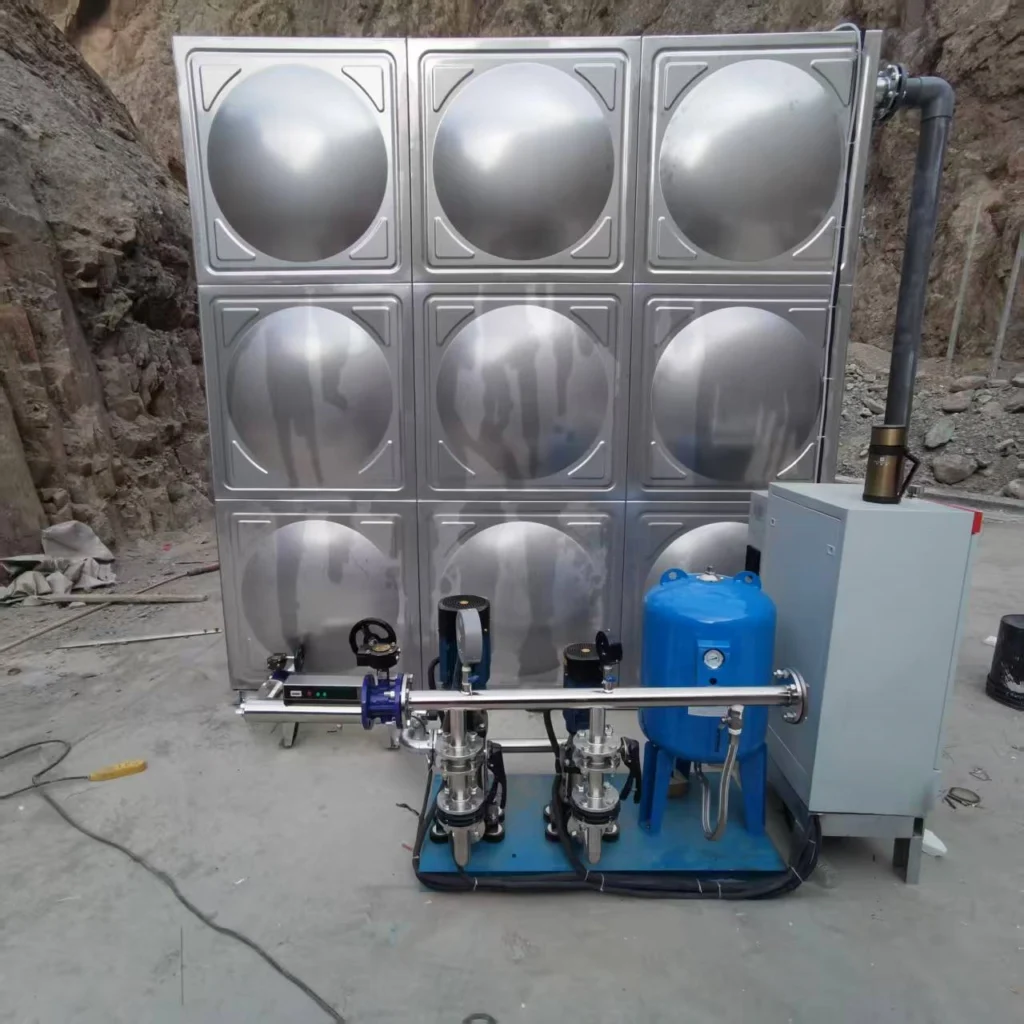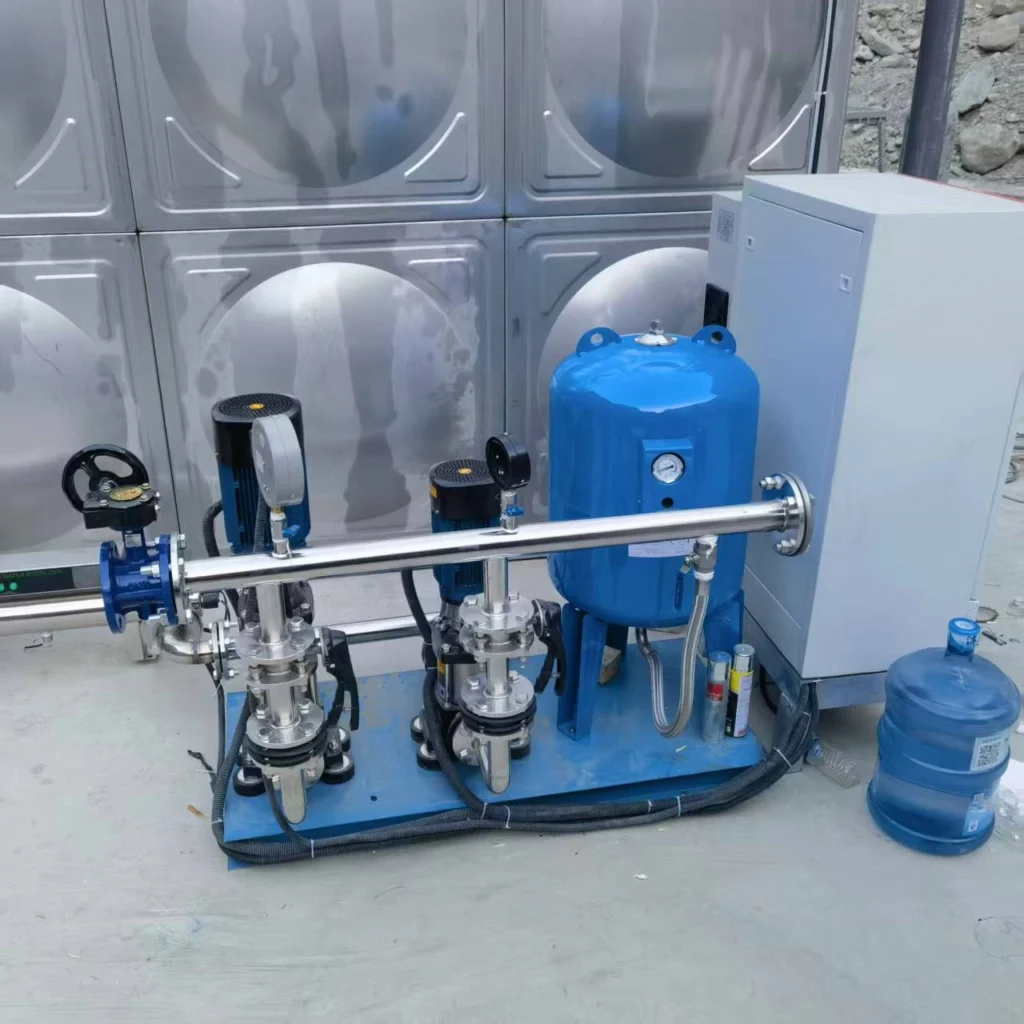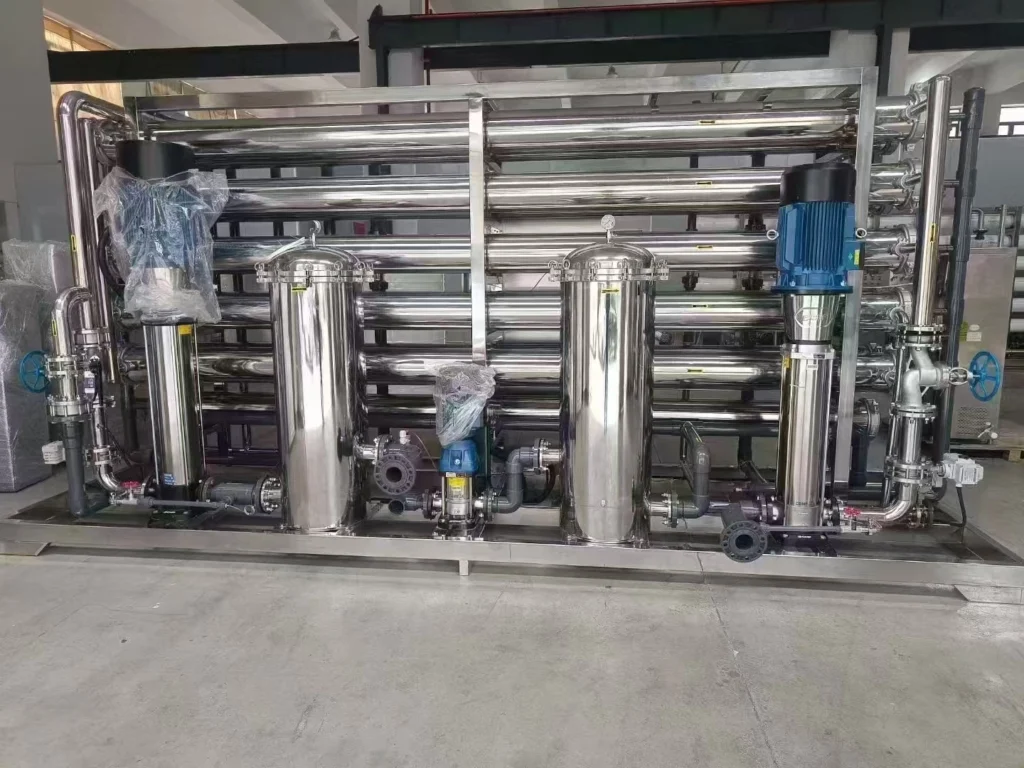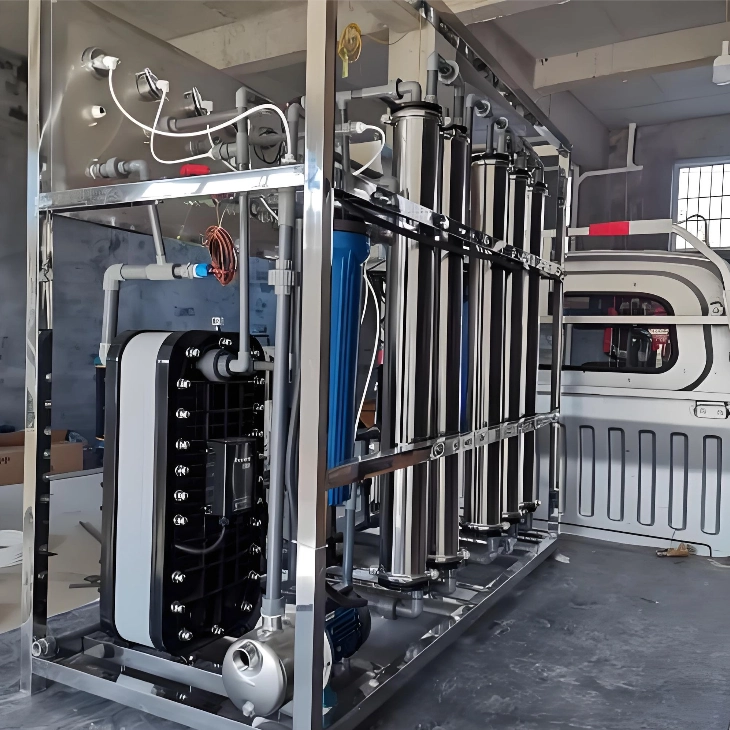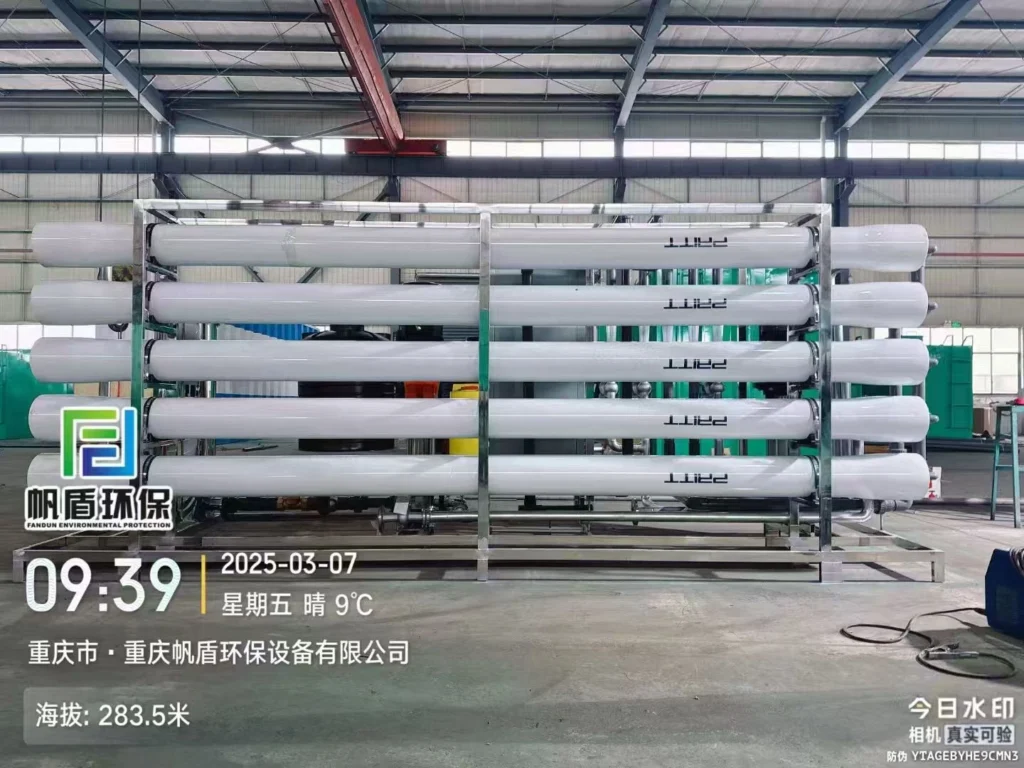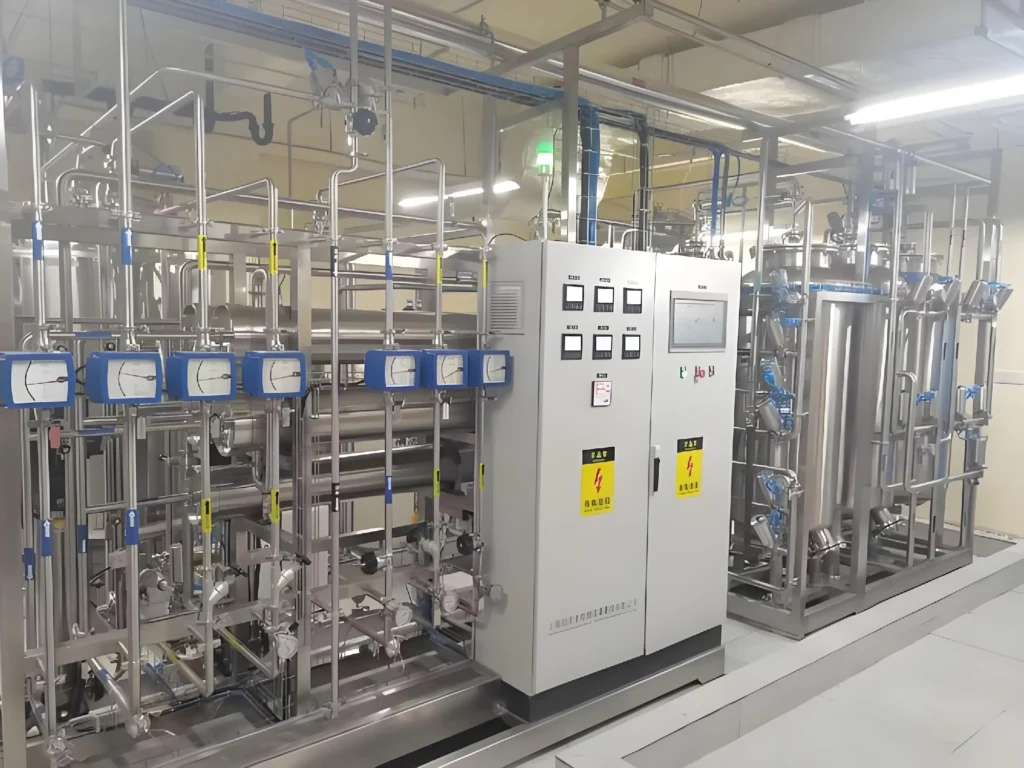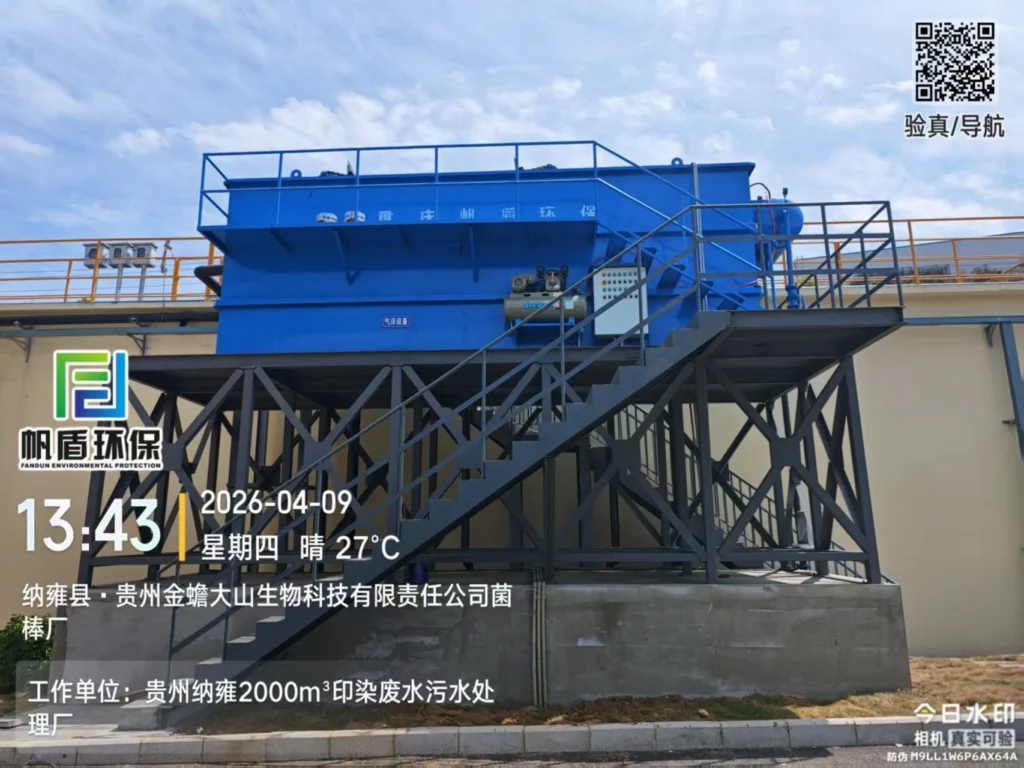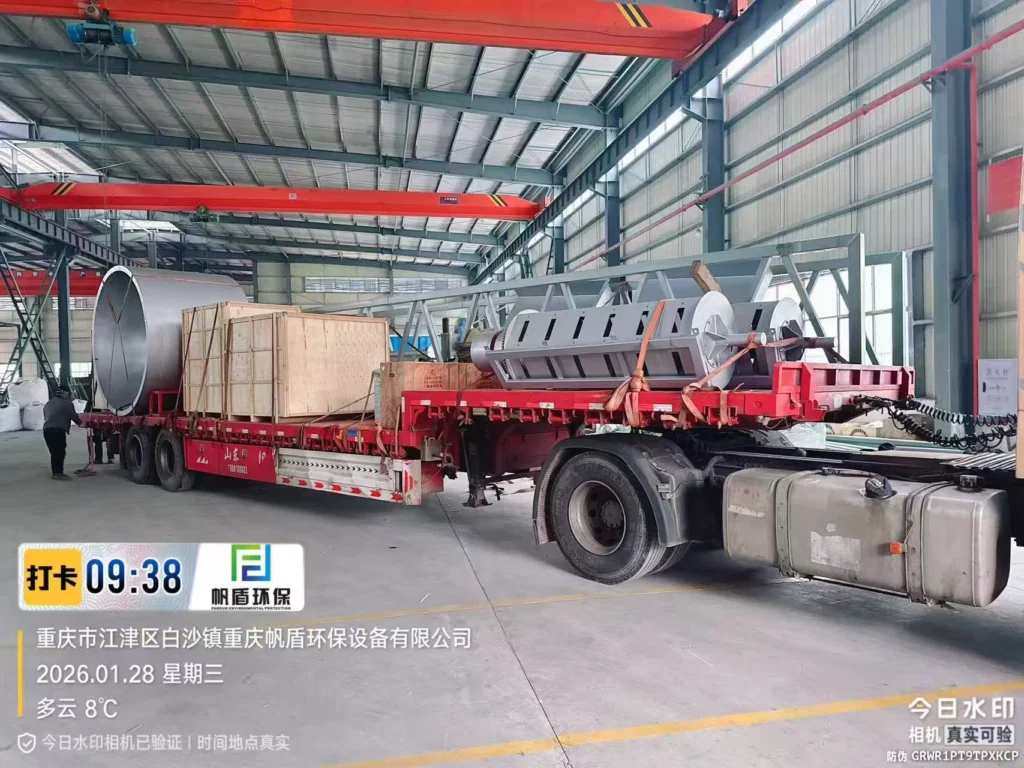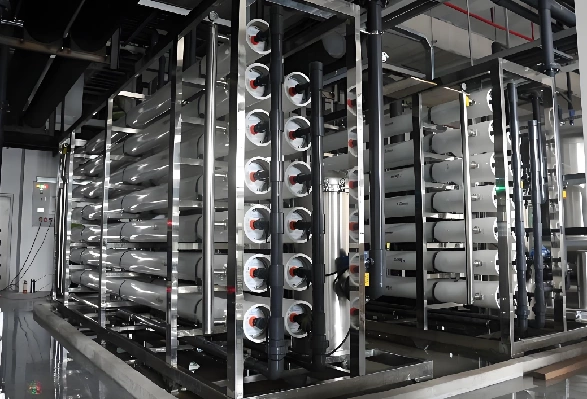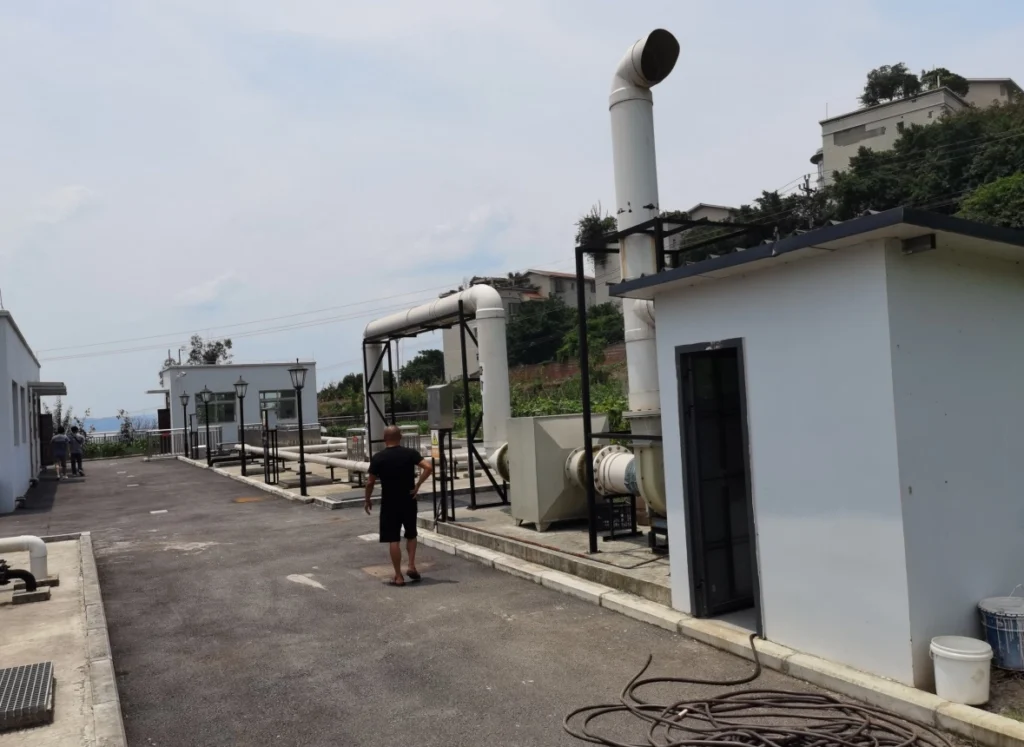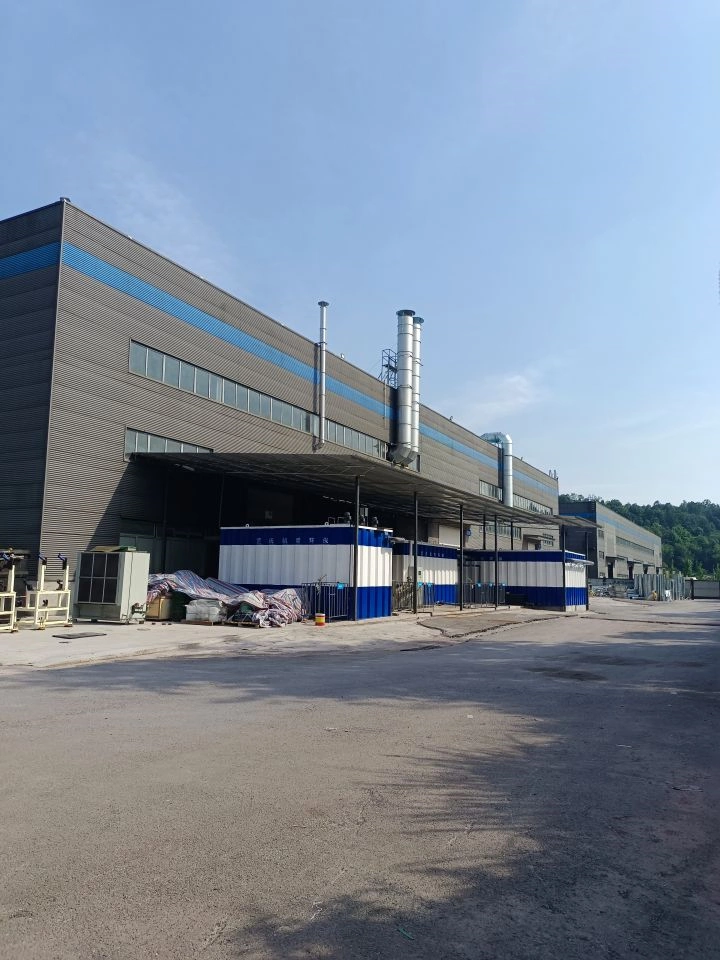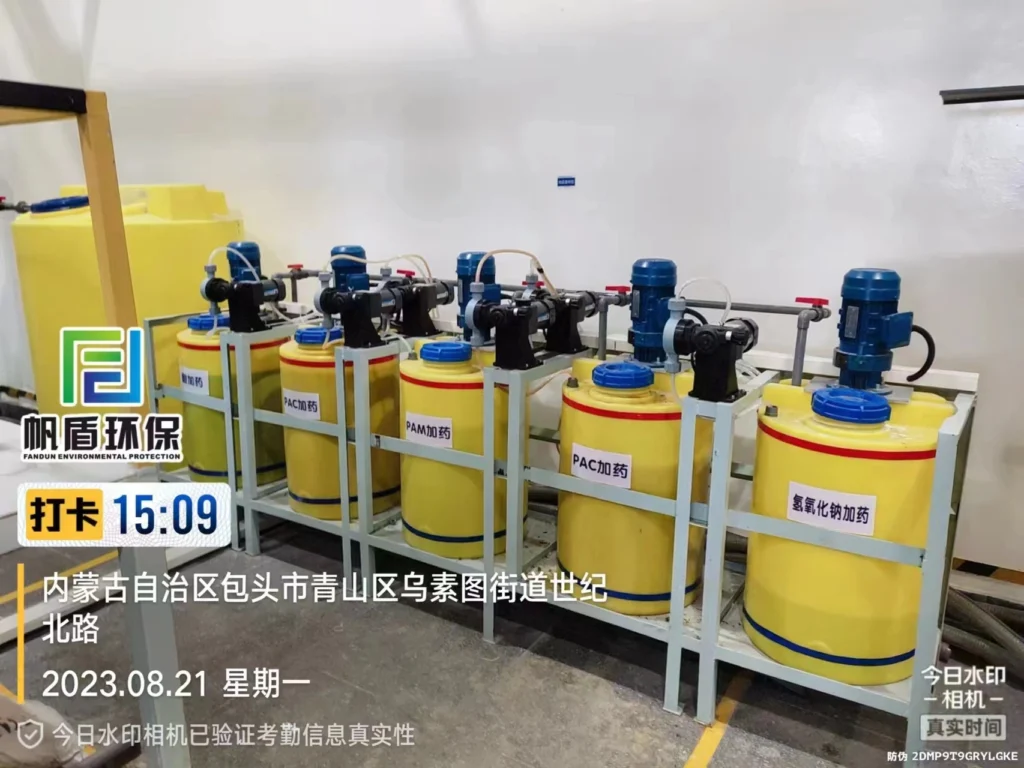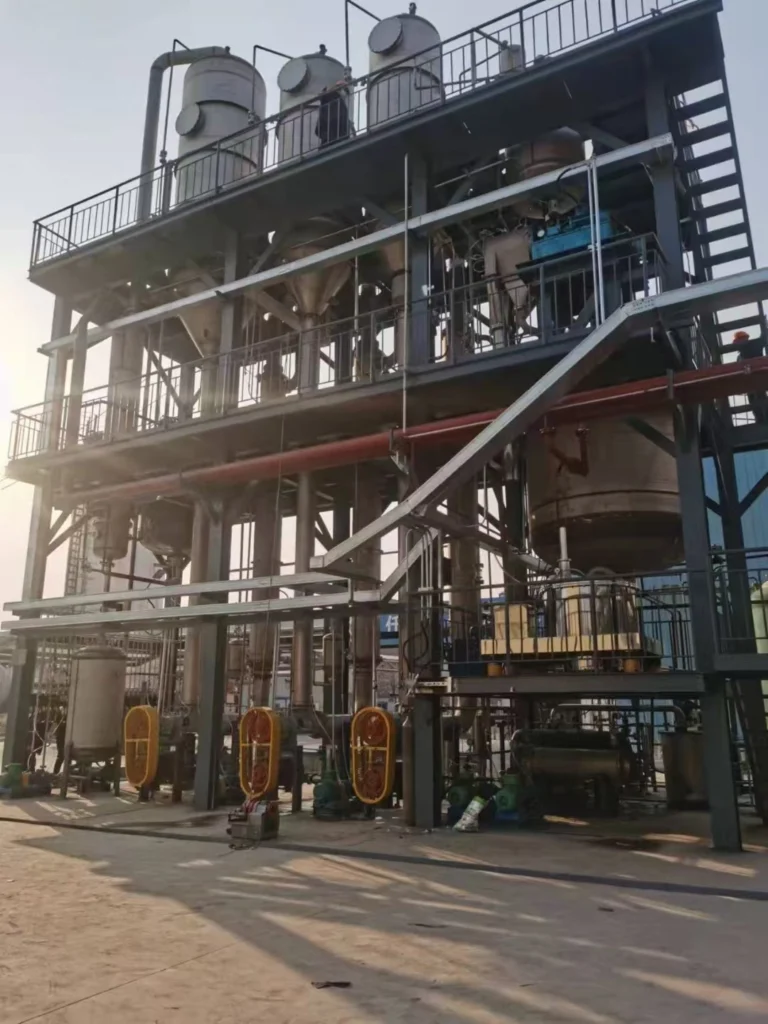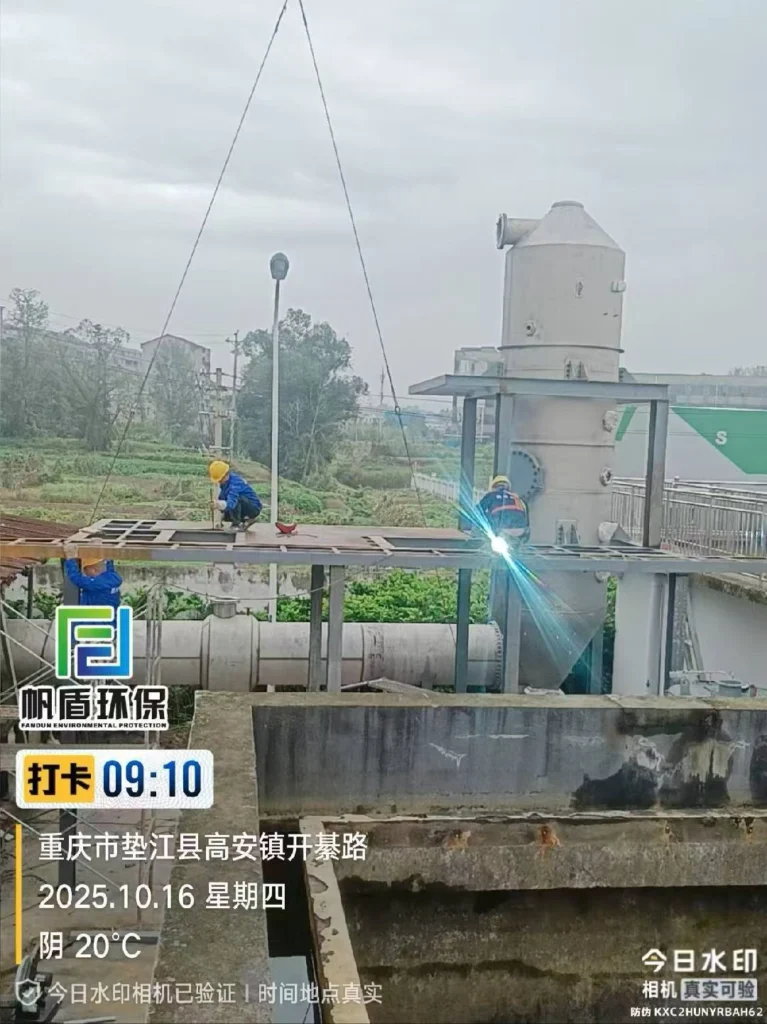
Electronic electroplating wastewater treatment equipment
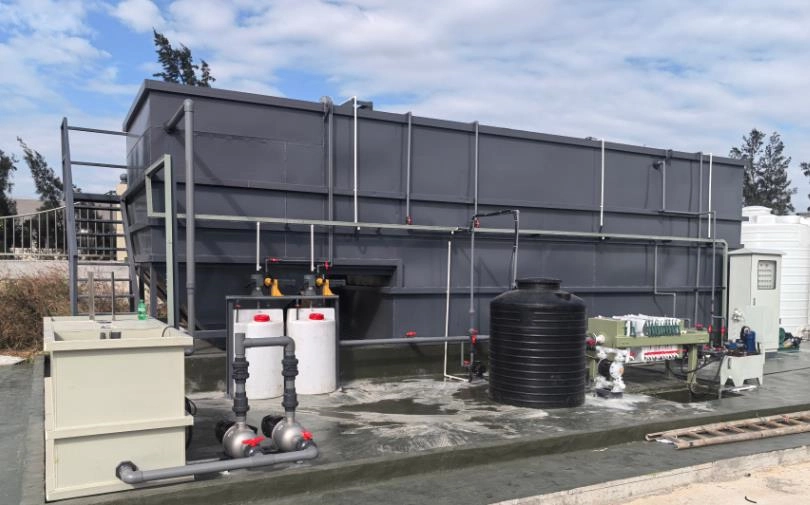
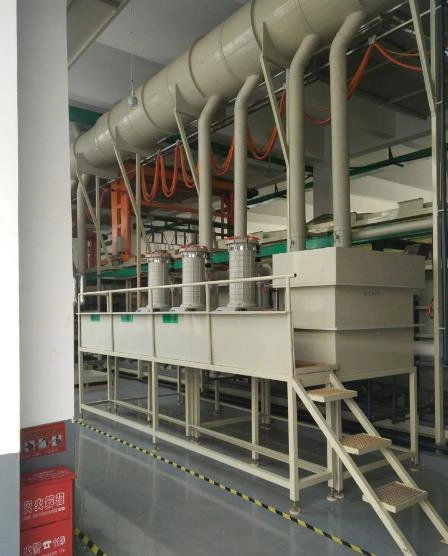
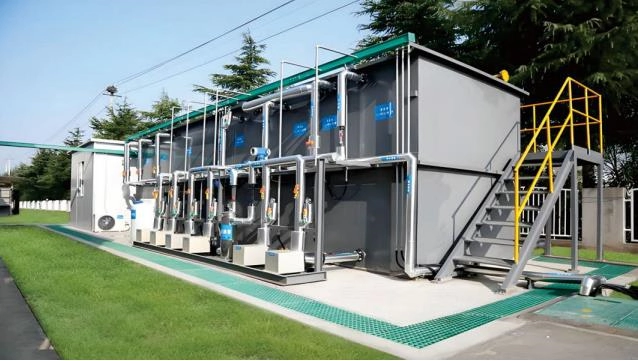
mushrooms after rain. As is well known, during the production and processing of electronic factories, a lot of wastewater is generated. The wastewater can generally be classified into chromium (Cr)-containing wastewater, nickel (Ni)-containing wastewater, cadmium (Cd)-containing wastewater, copper (Cu)-containing wastewater, zinc (Zn)-containing wastewater, gold (Au)-containing wastewater, and silver (Ag)-containing wastewater. If this wastewater is directly discharged without treatment, it will have a serious impact on the surrounding environment.
Product Introduction
I. Source of wastewater
The wastewater mainly originates from the wet processes of PC board manufacturing, such as inner layer brushing and grinding, inner layer developing, inner layer etching, inner layer stripping, electroplating, chemical copper plating, etc. The chemical solutions used in each wet process unit contain various chemical raw materials. During the production process, various aged high-concentration waste solution tanks and low-concentration cleaning wastewater are discharged. The wastewater from the circuit board production is complex in composition and has a large concentration difference. The main pollutants in the wastewater include Cu2+, Ni2+, COD, acids, bases, EDTA, copper-ammonia complex ions, etc.
II. Composition of Wastewater
The main components of the wastewater from the electronics factory include the following substances: acids, bases, copper, surfactants, and organic solvents. Depending on the type and processing method of the printed circuit boards being manufactured, there may also be substances such as tin, lead, cyanide, hexavalent chromium, and trivalent chromium. Except for tin, all of these are toxic and harmful substances that require strict treatment before they can be discharged and meet the standards.
III. Process of Wastewater Treatment Equipment for Electronic Factories
Currently, there are two common treatment processes available for handling copper ammonia and copper plating wastewater: The first process involves treating the copper ammonia and copper plating wastewater separately with different chemical treatments; the second process combines the two types of wastewater for complexation treatment. For process one, treating the two types of wastewater separately is feasible from a technical perspective. However, since the copper ammonia wastewater and the EDTA wastewater from copper plating are similar in nature as complexation wastewater, treating them separately will increase the number of equipment, increase the one-time investment cost, and also increase the maintenance rate and operating electricity costs of the equipment. For process two, after combining the two types of wastewater, it can simplify the equipment, reduce control, and reduce the control system, making the operation more practical.